10 Years On: How Rohith Vemula's Tragic Death Ignited a Movement Against Caste Discrimination in India
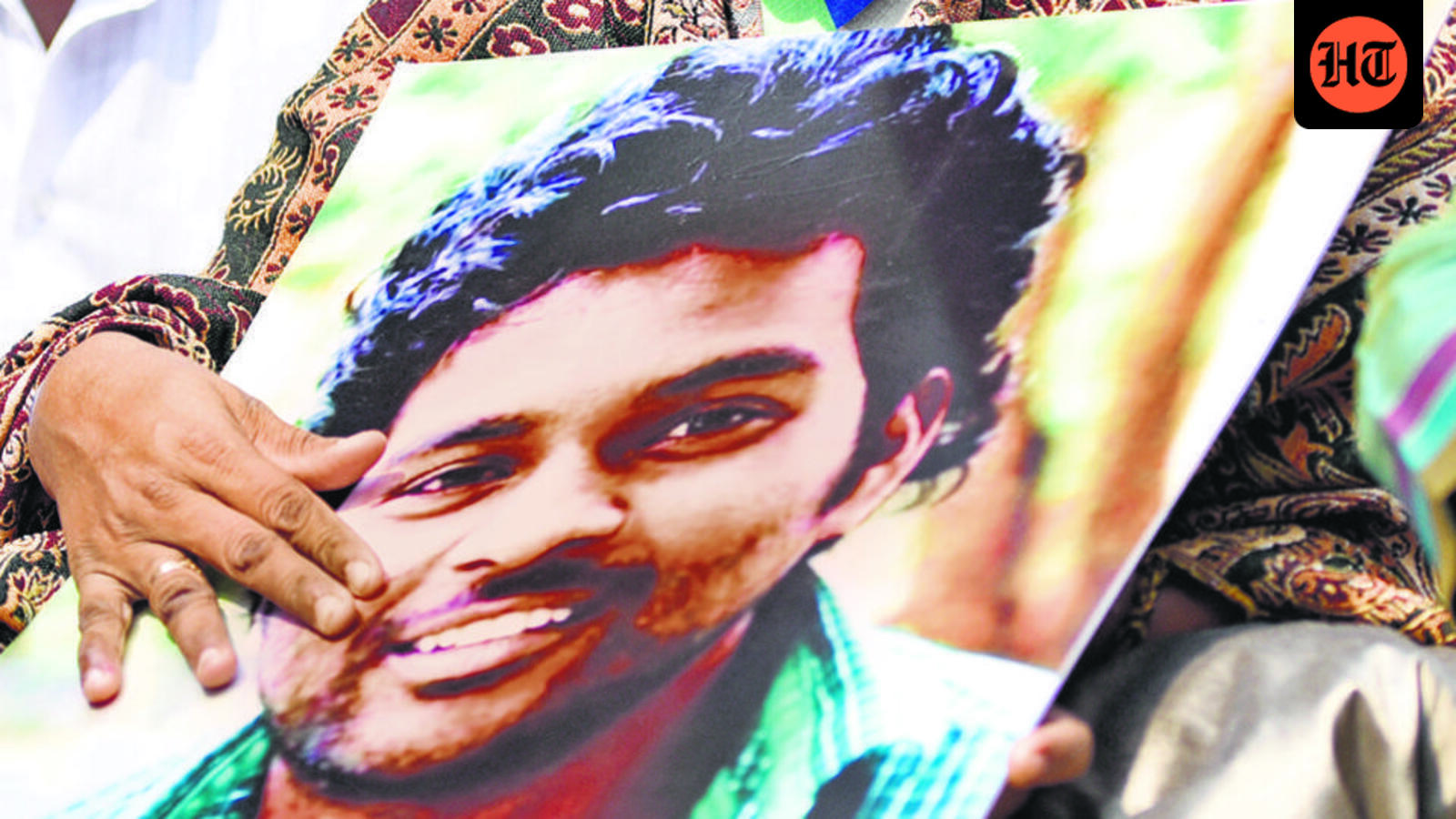
Image Source: Internet
Radhika Vemula still remembers the day her son Rohith died by suicide at the University of Hyderabad in 2016. The 26-year-old PhD student had been facing months of caste-based discrimination, which ultimately led to his tragic demise. But what started as a personal tragedy soon became a rallying cry for a generation of Indians fighting against caste-based discrimination. Rohith's family, including his mother Radhika, moved to a small house in Guntur town after his death. They faced intense pressure from the landlord, who wanted to rent out the house to more 'desirable' tenants. Radhika recalled, 'Our identity was out. They didn't want any trouble and asked us to leave.' The Vemula family's struggles are a testament to the deep-seated caste-based discrimination that exists in India. Rohith's death sparked widespread protests, with thousands of young Dalit students taking to the streets. The movement forced politicians to take notice, and the government was eventually forced to take action. In the years since Rohith's death, the government has made significant strides in addressing caste-based discrimination. The Supreme Court has issued guidelines to universities to implement mechanisms to prevent discrimination, and the University Grants Commission (UGC) has directed institutions to establish equity committees and equal opportunity centers. But despite these efforts, the Vemula family's struggles continue. Radhika's son Raja has been fighting false cases filed against him and his friends, who were also part of the Ambedkar Students Association. The cases have caused them immense stress and have made it difficult for them to find jobs and pursue their careers. The family's story highlights the need for a more comprehensive approach to addressing caste-based discrimination. The 'Rohith Vemula Bill,' a draft anti-discrimination law, seeks to expand the scope of safeguards available to SC and ST students. The bill defines discrimination as 'any intentional or unintentional action or omission that has an adverse effect on an SC/ST individual or a group.' Radhika's fight for justice continues to this day. She travels extensively, speaking at conferences and gatherings about her son's struggle and the need for a caste-free India. Her determination is a testament to the power of the human spirit, and a reminder that even in the face of adversity, we must continue to fight for what is right. As Radhika prepares to commemorate the 10th anniversary of Rohith's death, she knows that the journey ahead will be long and arduous. But she is undeterred, saying, 'I feel lonely but also responsible for the cause of every student. My Rohith would have wanted me to fight.'