
Army Ramps Up Winter Operations in Jammu, Cornering Terrorists in Snow-Clad Mountains
The shift signifies an evolution in counterterrorism tactics, underlining both the army’s adaptability and its resolve to maintain operational momentum irrespective of the season or terrain | India News
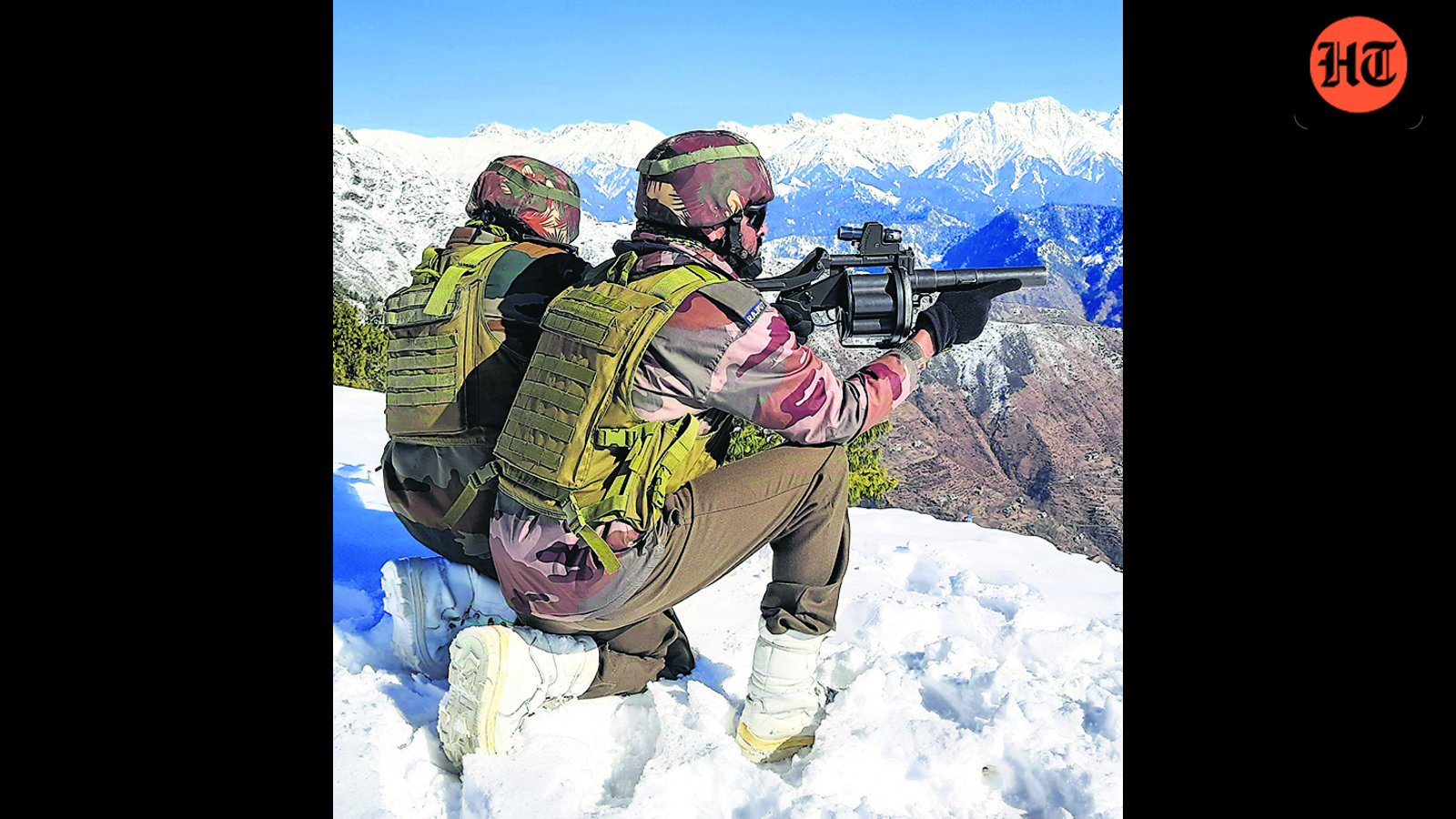
In a significant shift in strategy, the Indian Army has intensified its winter operations in the Jammu region, focusing on high-altitude areas where terrorists may be seeking refuge. This approach marks a departure from the traditional practice of scaling back operations during the coldest phase of winter, known as 'chillai kalan'.
The army's new strategy is aimed at tightening the noose around 30-35 Pakistani terrorists believed to be hiding in the mountainous districts of Kishtwar and Doda. Operating in extreme sub-zero temperatures and limited visibility, army patrols have been regularly traversing high-altitude ridgelines, valleys, and forested areas to deny terrorists any sanctuary.
The integrated approach involves multiple security and law enforcement agencies, including the civil administration, Jammu and Kashmir Police, and the Central Reserve Police Force (CRPF). This coordination ensures seamless sharing of intelligence, resource optimisation, and sharper operational execution.
Modern technology has played a crucial role in these operations, with the use of drone-based reconnaissance, ground sensors, and surveillance radars to detect movement, track heat signatures, and pinpoint possible movement routes. Thermal imaging devices and unmanned aerial systems have also proved invaluable for night operations and in terrain where conventional scouting is hazardous.
The army's proactive winter posture has established temporary bases and surveillance posts deep inside snow-covered areas, maintaining pressure on terrorists in their possible hideouts. This decisive shift in operational approach signifies an evolution in counterterrorism tactics, underlining both the army's adaptability and its resolve to maintain operational momentum irrespective of the season or terrain.