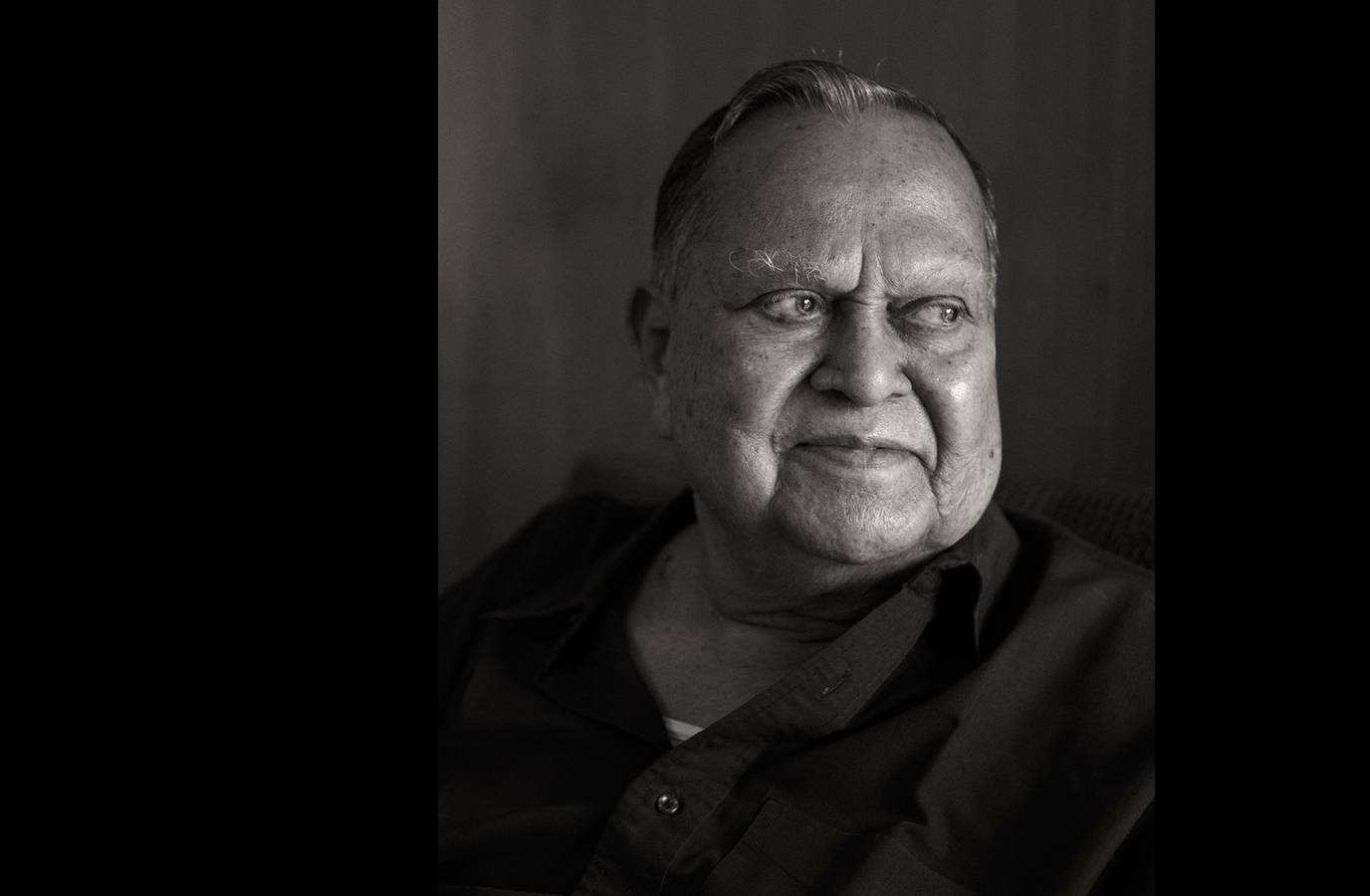
As Bengaluru swelters in the summer heat, it's the perfect time to remember an extraordinary individual who brought the city back to life with his tree-planting campaign. Sethuram Gopalrao Neginhal, a forest officer, conservationist, and wildlife photographer, spent his lifetime tramping through Karnataka's jungles and planting trees in the city.
Neginhal's journey began in Belgaum and Dharwad, where his father, a forest officer under the British, had trained at Rangers College, Dehradun. He followed in his father's footsteps, joining the forest department at 22 and serving as a ranger in Dandeli forest. In 1965, he was inspired by Salim Ali's book, The Book of Indian Birds, and began focusing on wildlife.
Neginhal's work took him to Mysore, where he managed BR Hills, Bandipur, Nagarahole, and Ranganathittu. He played a crucial role in creating the Bandipur Tiger Reserve and was appointed curator of the Mysore Zoo in 1977. However, he soon returned to the forests, driven by a desire to protect animals in their natural habitat.
In 1981, Neginhal was tasked with bringing trees back to Bengaluru, which was rapidly losing its green cover. He designed a protective enclosure for saplings, making them resistant to browsing cattle. Between 1982 and 1987, he personally planted 15 lakh trees in the city, judiciously mixing exotic and native species and involving residents in the decision-making process.
Neginhal's legacy continues to inspire, and his green revolution in Bengaluru remains a testament to his dedication to conservation and wildlife protection.