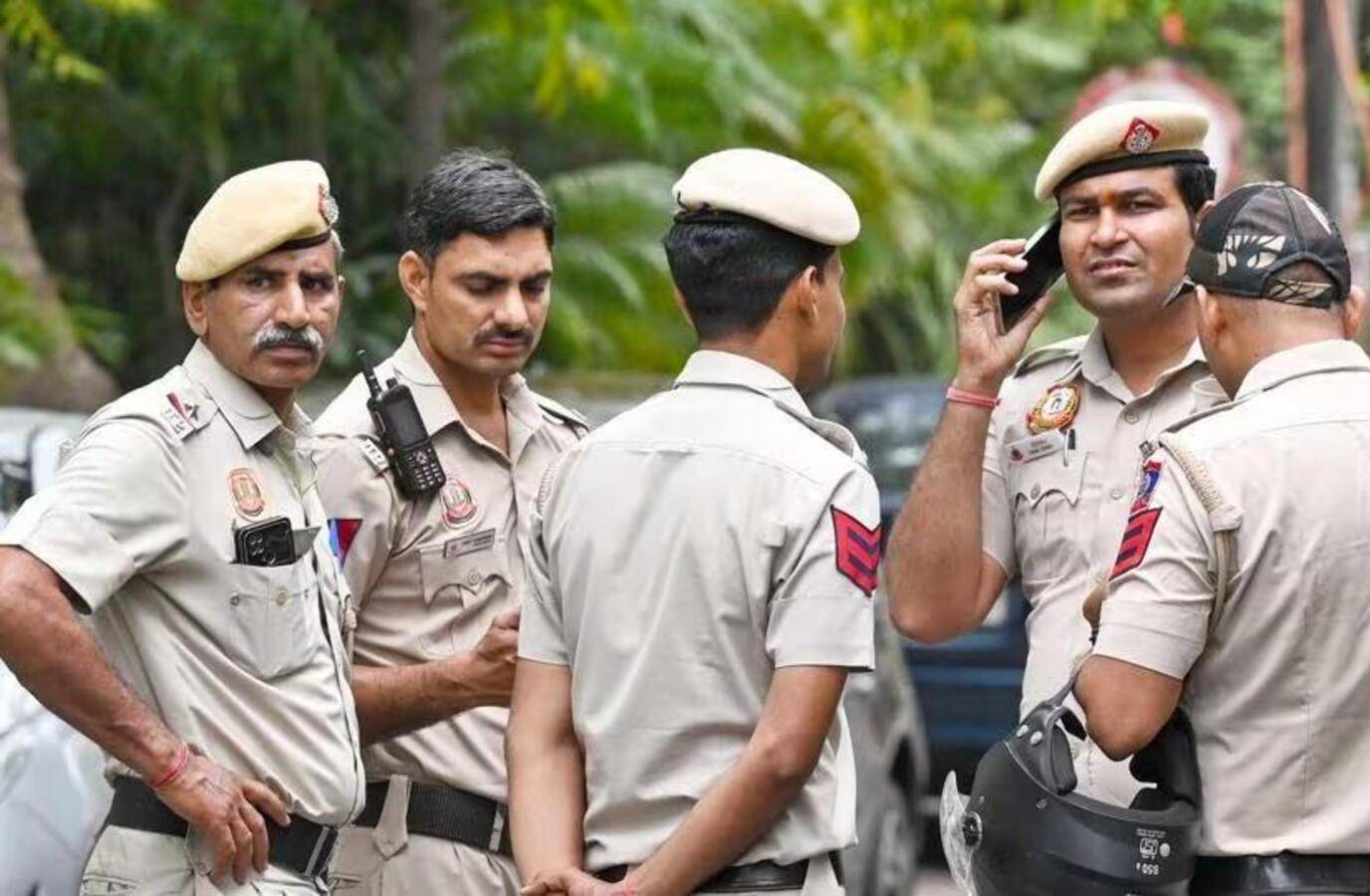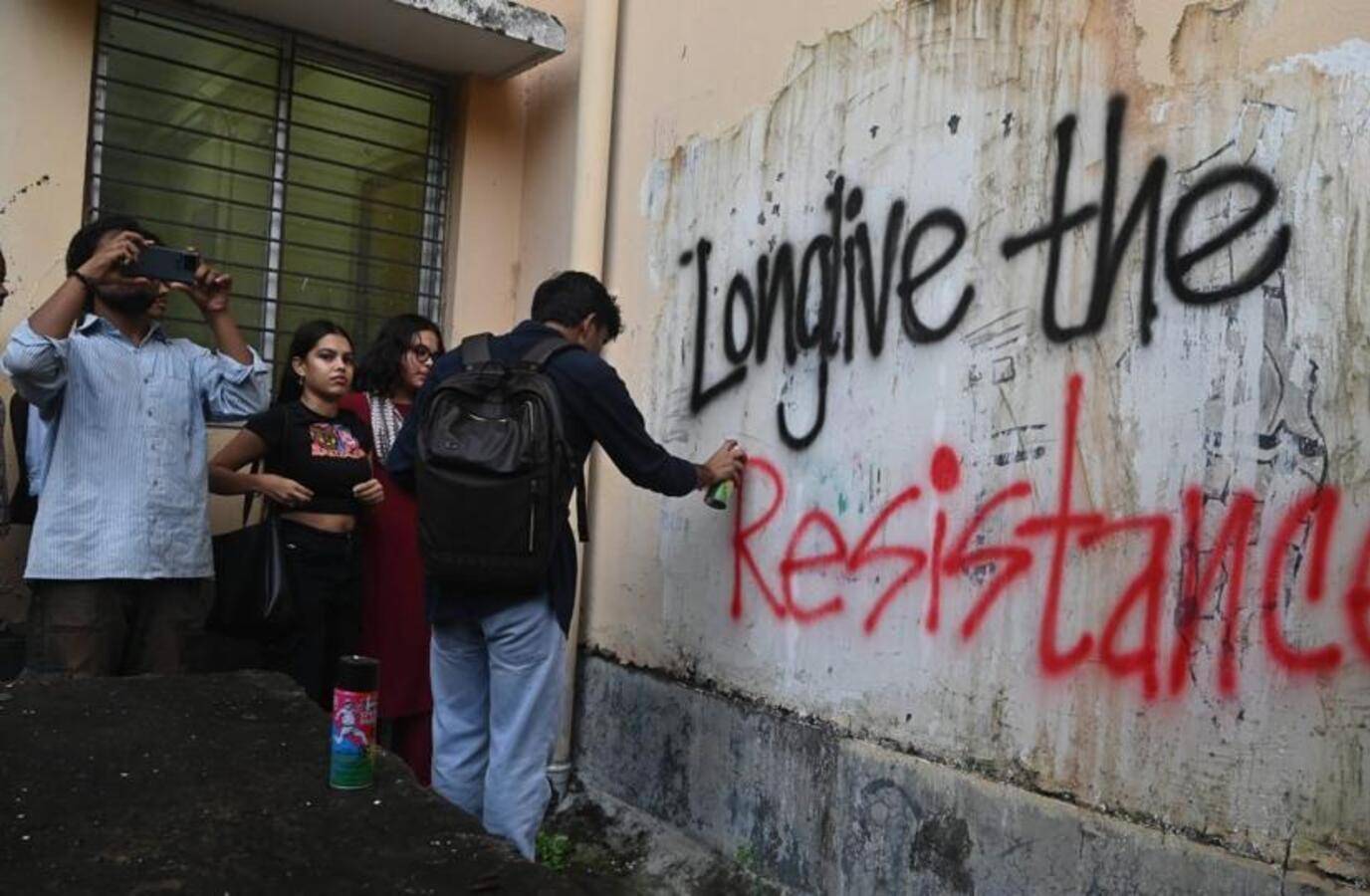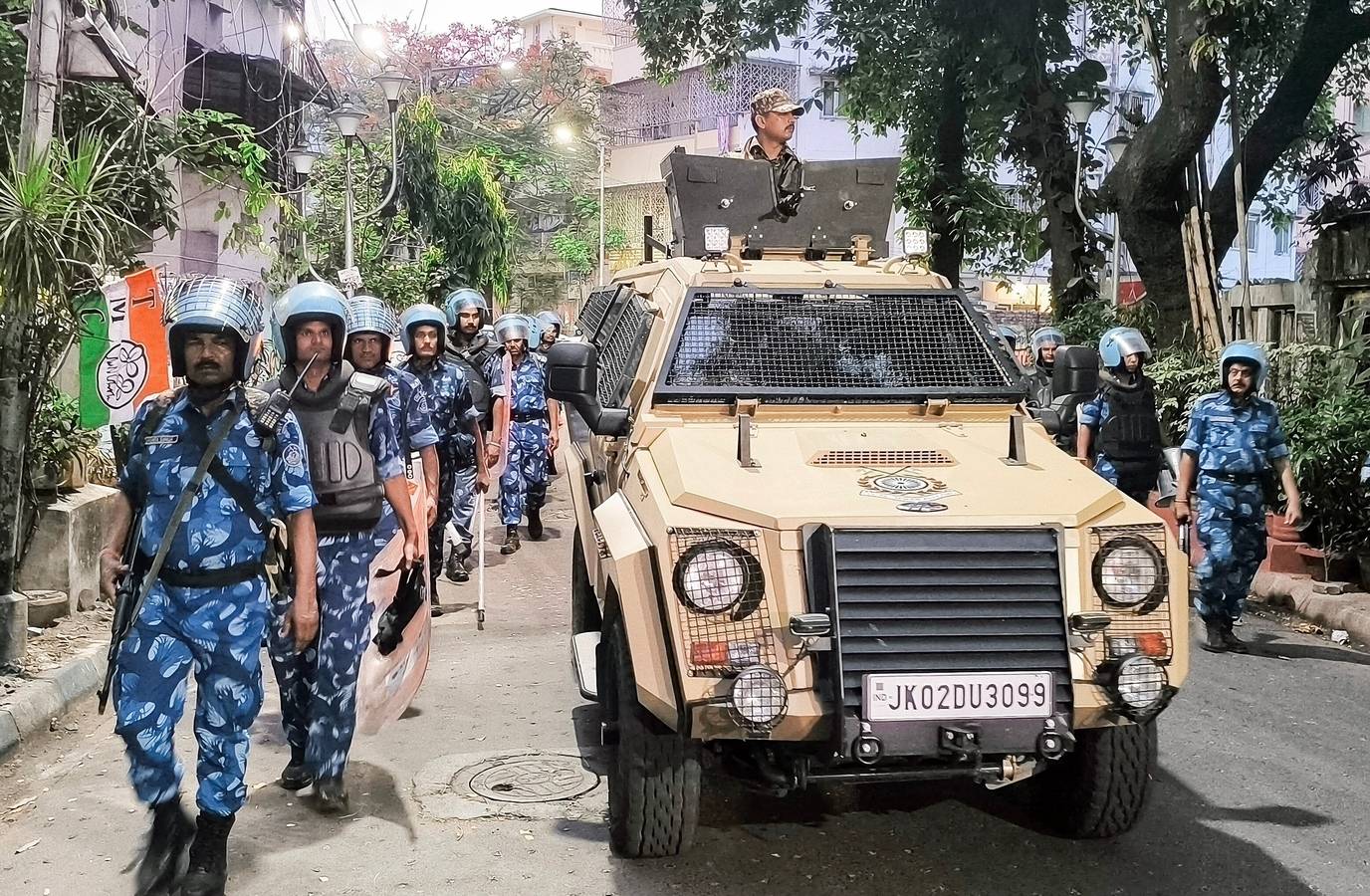
West Bengal is under siege with over 2,000 paramilitary personnel deployed, and a Special Intensive Revision of electoral rolls has left millions under scrutiny. The Bharatiya Janata Party (BJP) sees a high turnout in Phase 1 as silent anti-incumbency, while the Trinamool Congress (TMC) interprets it as continued public trust in Mamata Banerjee.
The BJP's path to power is challenging, but not impossible, with a 10-percentage-point swing possible in Indian elections. The TMC won 48% of the vote and the BJP 38% in 2021, translating into the TMC winning nearly three-fourths of the seats.
The BJP can come close to a majority or even surpass the TMC despite trailing in overall vote share, but faces a structural challenge with Muslims constituting nearly 30% of the electorate and overwhelmingly backing the TMC.
The BJP's prospects hinge on overperformance in Jangalmahal and North Bengal, alongside strategic inroads into Greater Kolkata, a TMC bastion. Voting patterns among women are another facet, with the gap between the TMC and the BJP among female voters being around six percentage points in 2021.
Reports indicate that while Banerjee continues to be popular, there is brewing resentment against local party machinery, and the anti-incumbency sentiments expressed in silent murmurs of "ektu poriborton (small change)" explain why the TMC has framed this as a contest between Delhi and Bengal.
Two scenarios emerge for the BJP in 2026: the worst-case scenario where the TMC returns comfortably, and the best-case scenario where the BJP not only retains but expands its dominance in strongholds, converting narrow losses into wins.