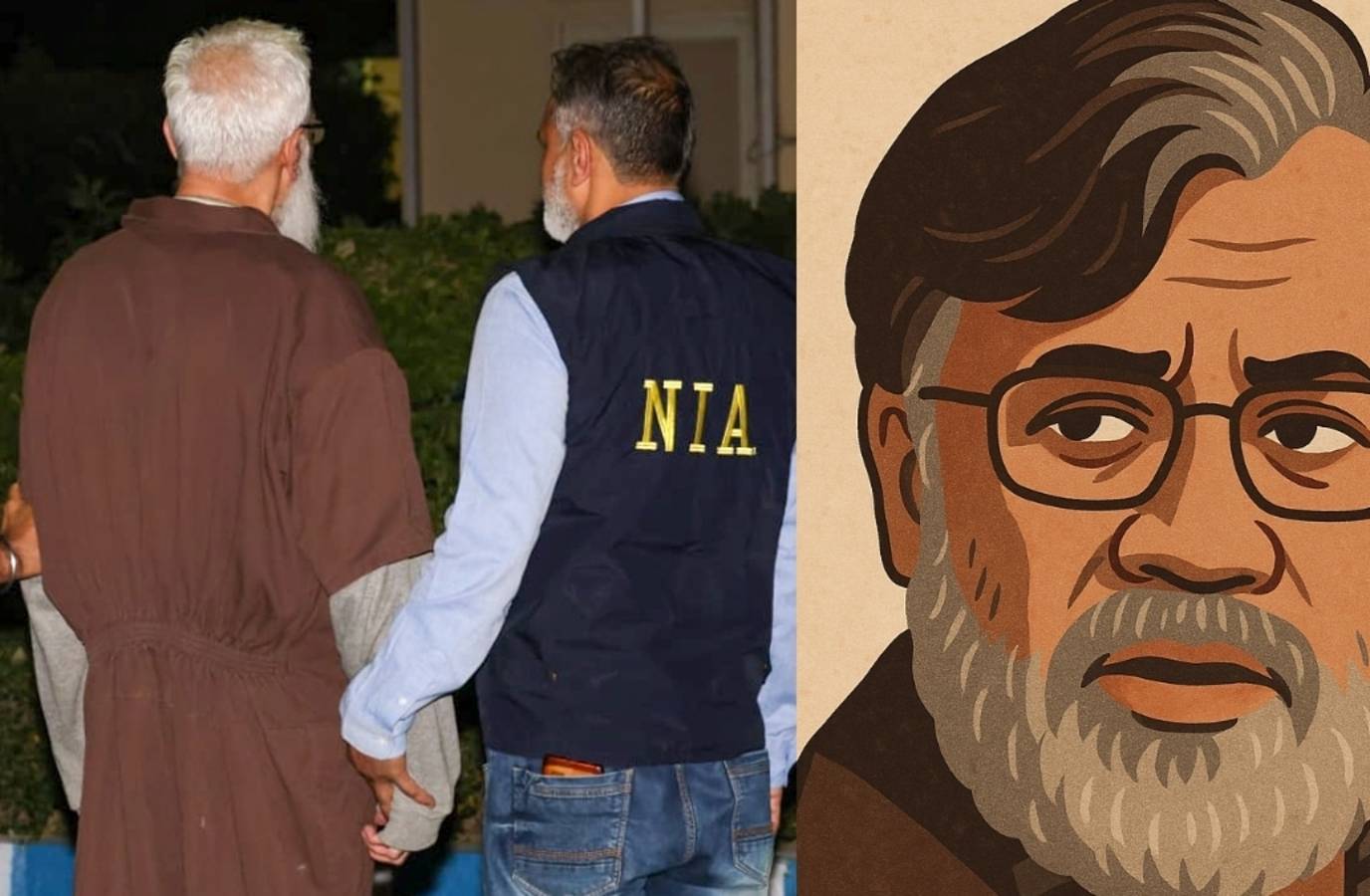
Tahawwur Hussain Rana, a key figure behind the 26/11 Mumbai terror attacks, has been convicted and extradited to India, but Canada struggles to revoke his citizenship due to changes in citizenship legislation.
Global News reported that Immigration, Refugees and Citizenship Canada has asked a Federal court to revoke Rana's citizenship, but the case remains unresolved.
The 26/11 terror attacks claimed 166 victims, and Rana's citizenship cannot be revoked because of a 2016 change in the Citizenship Act, which removed terrorism as a cause for revocation.
IRCC now attempts to prove that Rana obtained citizenship through 'deception' as he claimed to be resident in Ottawa but spent most of the time in Chicago.
The process of revocation can take a decade, and the attempt to revoke Rana's citizenship commenced in May 2024.
National security analyst Joe Adam George criticized the delay, saying it exposes systemic failures in vetting, verification, enforcement, and political accountability.
Rana, a former Pakistan Army captain, worked with David Headley and was sentenced to prison in the US in 2013 before being extradited to India last year.