Caste Bias Rises 118% in Indian Universities, UGC Data Reveals
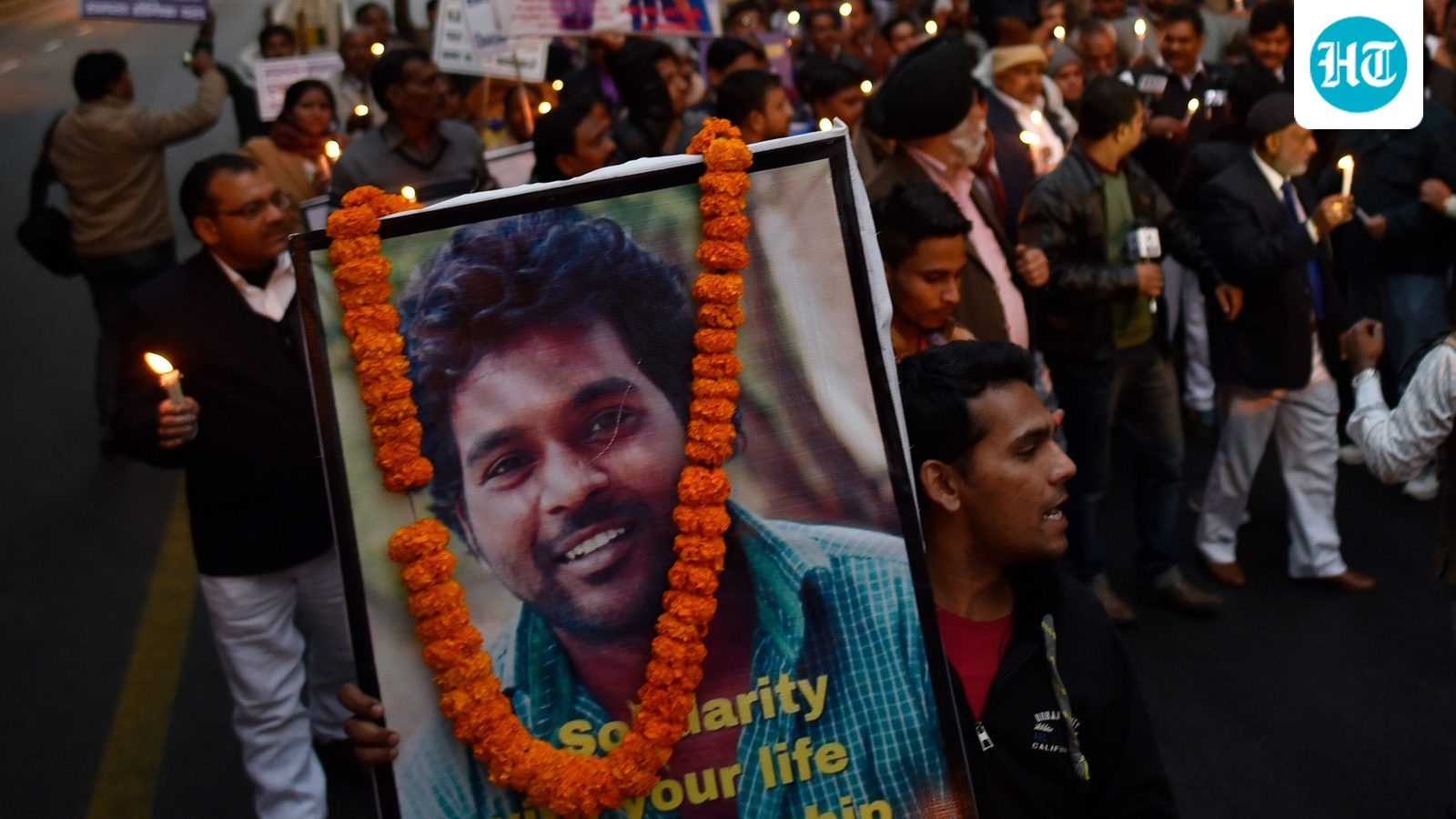
Image Source: Internet
New Delhi: A staggering 118.4% surge in caste-based bias complaints has been reported in Indian universities over the past five years, according to data from the University Grants Commission (UGC). The UGC received 1,160 complaints of caste discrimination between 2019-20 and 2023-24, with a resolution rate of 90.68%. While the number of resolved cases has increased, the UGC data also shows a rise in pending complaints, from 18 in 2019-20 to 108 in 2023-24. Experts point to the lack of autonomy in the SC/ST Cells, which handle caste-discrimination complaints, as a major concern. These cells are often controlled by university administrations, limiting their impartiality in handling serious cases. The UGC has been directed by the Supreme Court to collate data on caste-discrimination complaints, and the data showed that 3,067 Equal Opportunity Cells and 3,273 SC/ST Cells have been set up across 3,522 higher education institutions. However, students from marginalized communities claim that weak redressal mechanisms have severe consequences, including prolonged discrimination and stalling of research. The UGC has issued a notification directing all institutions to establish equity committees and equal opportunity centres to handle discrimination complaints and promote inclusion. Students are calling for more robust mechanisms to address caste-discrimination, citing the need for trained mental health professionals, 24/7 helplines, and online counselling services to address the psychological impact of discrimination. As the country marks a decade since the death of Rohith Vemula, a PhD scholar who took his life after facing caste-based harassment, the issue of caste-discrimination in campuses remains a pressing concern. Experts stress the need for accountability and transparency in addressing caste-discrimination complaints, and for institutions to take concrete steps to promote inclusion and equity in higher education.