Central Govt Introduces Landmark Bill to Regulate Higher Education, Faces Opposition Over Autonomy and Sanskritisation Concerns
Opposition MPs opposed the introduction of the bill, stating that they did not get enough time to study the bill | India News
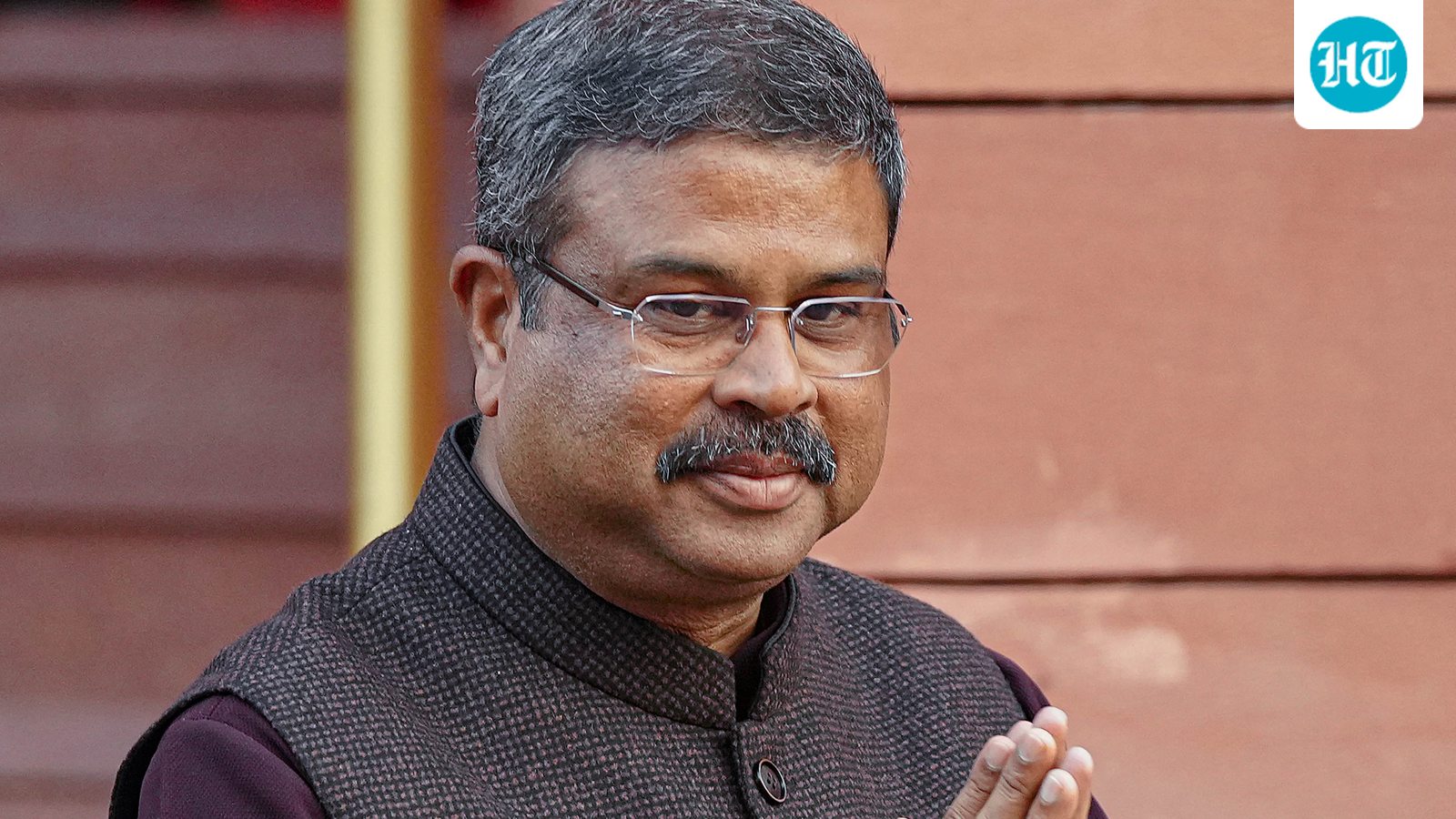
New Delhi: Union Education Minister Dharmendra Pradhan introduced the Viksit Bharat Shiksha Adhishthan Bill, 2025, in the Lok Sabha, aiming to establish a three-council commission as a single higher education regulator. The bill seeks to enforce outcome-based accreditation, set academic standards, and grant graded autonomy to higher education institutions.
Pradhan stated that the legislation aims to establish the Viksit Bharat Shiksha Adhishthan to set standards, coordinate regulation, and promote excellence, autonomy, and transparent accreditation in higher education institutions. He added that the bill encourages universities and other higher educational institutions to become independent self-governing institutions.
However, the opposition raised concerns over the bill's centralisation of power, undermining state governments' authority, and alleged Hindi imposition. Congress MP Manish Tewari said the bill suffers from constitutional and structural flaws, leading to excessive centralisation of higher education and violating the constitutional distribution of legislative powers.
Opposition MPs from southern states, including Kerala and Tamil Nadu, opposed the bill due to its 'sanskritised' nomenclature and alleged Hindi imposition. RSP MP N. K. Premachandran expressed concerns over the bill's centralisation of power with the Centre, while DMK MP T.M. Selvaganapathi termed the legislation a 'colourable legislation' giving the Union government sweeping control.
The bill, approved by the cabinet on Friday, aims to replace the University Grants Commission (UGC), the All India Council for Technical Education (AICTE), and the National Council for Teacher Education (NCTE). It also seeks to regulate the establishment of higher educational institutes, imposing a fine of ₹2 crore on those who set up universities without proper government approval.
The new higher education commission will consist of three wings – the Regulatory Council, Accreditation Council, and Standards Council. The 12-member commission will include the presidents of each council, the Union higher education secretary, two eminent academicians from state higher education institutions, five distinguished experts, and a member secretary.
The opposition has requested the government to refer the bill to a Joint Parliamentary Committee (JPC) for further deliberations. The fate of the bill remains uncertain as it faces opposition from various quarters.