Centre Orders Single Forest Survey to Speed Up Mining Leases, but Experts Raise Concerns
In the letter, dated December 11, the ministry said separate surveys by multiple agencies as well as the bidder delayed the execution of mining leases. | India News
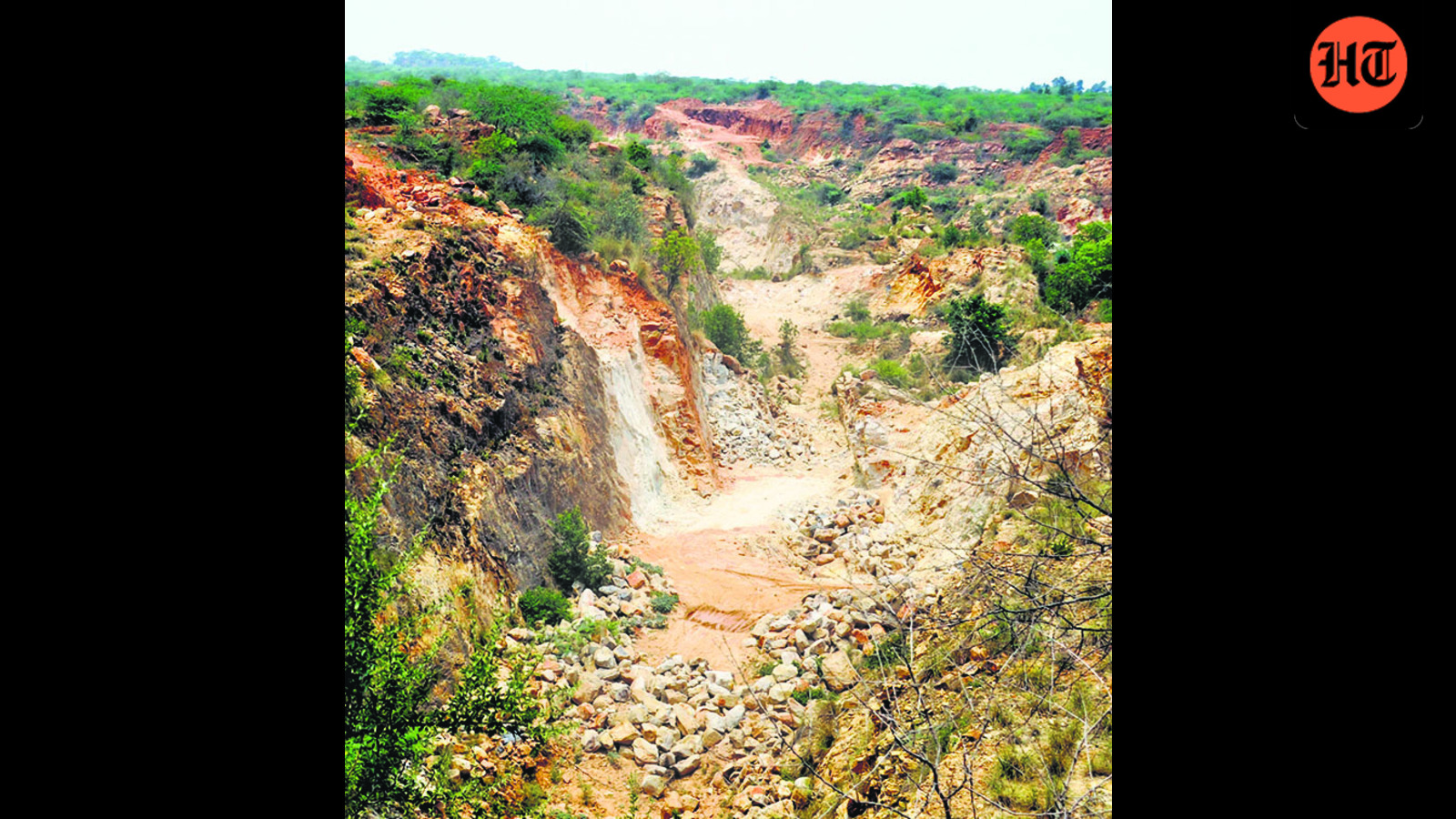
In an attempt to expedite mining leases, the Union environment ministry has directed states and union territories to conduct a single joint survey of forests before mining, citing repetitive surveys as a cause of delays and unnecessary expenditure. However, experts have criticized the move, arguing that a joint survey will compromise the integrity of the process and undermine the autonomy of each department involved.
According to a letter signed by Charan Jeet Singh, a scientist at the forest conservation division of the Union environment ministry, the current system of separate surveys by multiple agencies, including the Mining Department, bidder, and Forest Department, leads to duplication of effort, unnecessary expenditure, and delays in completing the statutory processes required prior to the execution of the lease.
The ministry has directed state revenue, forest, and mining authorities to conduct a single joint survey either before or after the auction, with the State Mining Department coordinating with the other Departments to facilitate the timely conduct of such joint surveys.
This move comes amidst controversy over the Centre's definition of the Aravalli hills, which environmentalists claim will open up swathes of the critical landmasses for commercial exploitation. The definition, which was accepted by the Supreme Court, defines landforms rising at least 100 metres above the local relief as Aravalli hills.
Experts, including RP Balwan, a former Indian Forest Services officer, have expressed concerns that a joint survey will compromise the sovereignty of forest officials and undermine the process of safeguarding forests and green spaces. Balwan argued that the forest department's survey is based on forestry technical parameters, while the mining department looks for material to be mined, and that it is undesirable to club these two departments together.
The Union environment ministry has sought to rebut the criticism, arguing that the definition protects over 90% of the range and leaves scope for mining on less than 0.2% of the landform. However, the Supreme Court is set to hear the Aravallis definition issue in a special sitting on Monday, reopening the possibility of a judicial relook at its recent ruling.