Cloud Seeding Hopes Dashed as Delhi Chokes on Toxic Smog
In late October, the Delhi government conducted two cloud seeding trials in collaboration with IIT Kanpur, to induce artificial rain. | India News
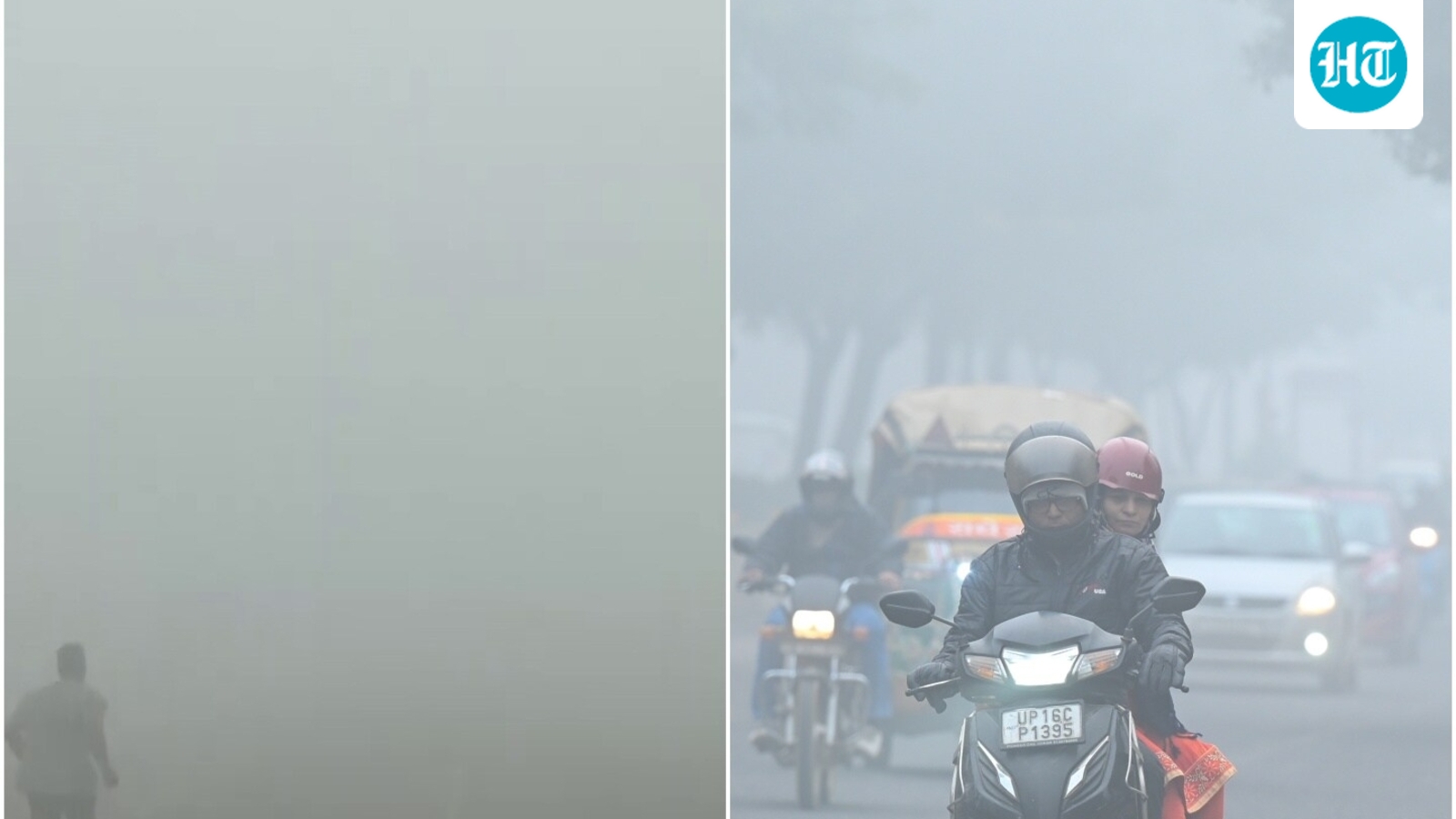
Delhi's residents are waking up to a thick, white haze, with the city's Air Quality Index (AQI) soaring to 452 on Monday. The hazardous combination of winter and pollution has raised concerns about the government's plans to tackle the crisis.
Authorities have been deploying emergency measures such as banning construction, restricting diesel generators, and deploying water sprinklers to alleviate the situation. However, environmentalists warn that these short-term solutions are not a sustainable fix.
The Delhi government had attempted cloud seeding experiments earlier this winter, but the trials were unsuccessful in producing rainfall. A report by IIT Kanpur cited low moisture levels as the reason for the failure.
Scientists have questioned the viability of cloud seeding during Delhi's winters, citing the city's climatologically unsuitable atmosphere for consistent cloud seeding due to a lack of sufficient moisture. According to an IIT-Delhi study, even if artificial rain were induced, it would only provide temporary relief lasting one to three days before pollution levels rebound.
The cloud seeding trials sparked a political controversy, with the opposition questioning the BJP-led Delhi government's decision to spend public money on an experiment that failed to deliver results.
As Delhi grapples with its chronic air pollution problem, experts emphasize the need for long-term emission reduction. The city's residents continue to face hazardous air conditions, with several areas recording AQI readings between 450 and 500.