Delhi-NCR Braces for Cold Wave, Rajasthan Under Orange Alert for Dense Fog
Delhi and some areas of Haryana, Punjab and Chandigarh are likely to witness cold wave conditions till January 6 with dense to very dense fog in several areas| India News
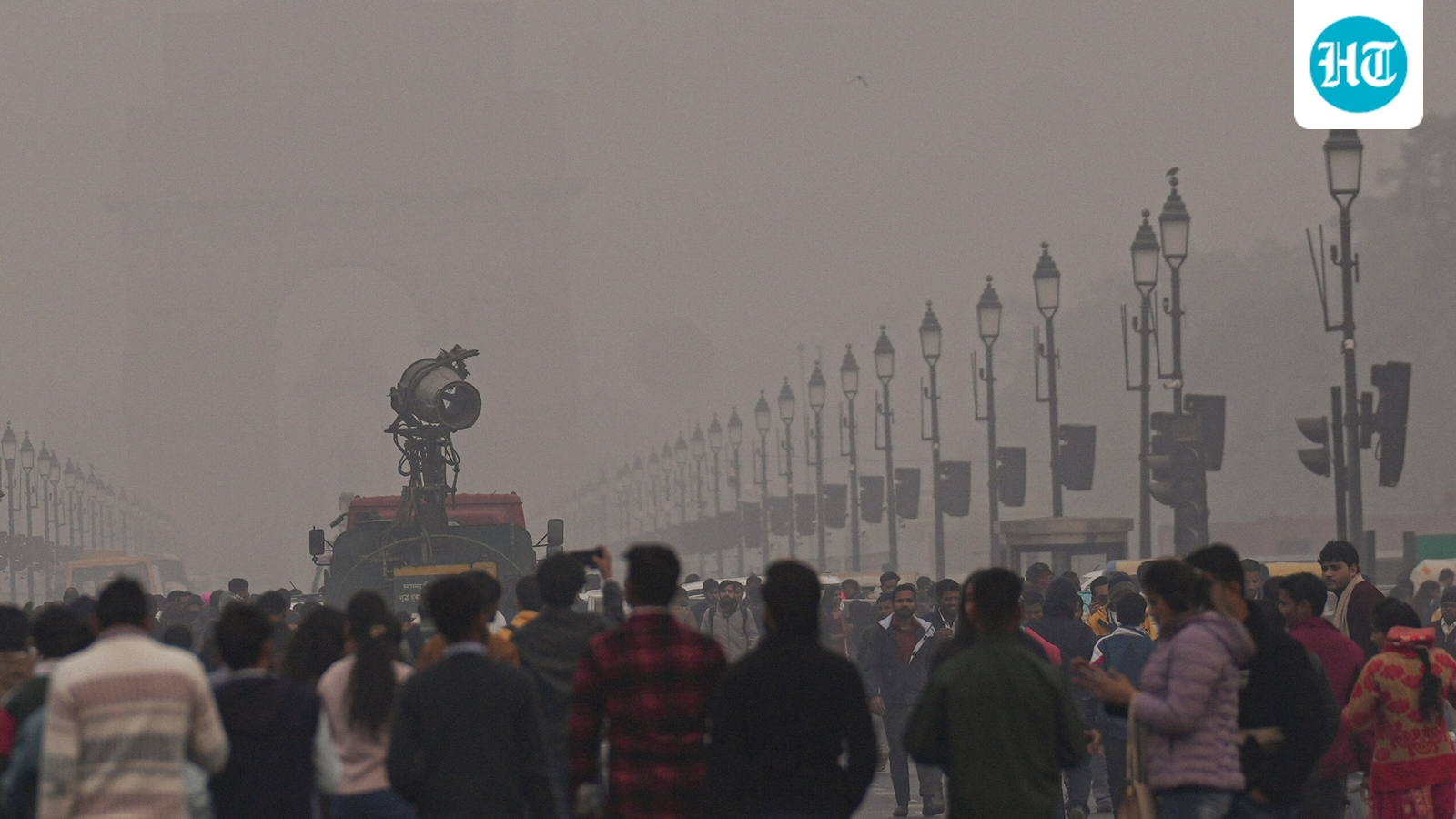
India is experiencing a chilly start to the new year, with Delhi-NCR and parts of Rajasthan facing harsh weather conditions. The India Meteorological Department (IMD) has issued a cold wave alert for Delhi, Chandigarh, Haryana, and Punjab until January 6, with dense to very dense fog expected in several areas, particularly during the morning hours.
According to IMD officials, a western disturbance positioned over north Pakistan is causing the cold wave conditions and fog. The Delhi met department has predicted a partly cloudy sky on January 2, followed by mainly clear conditions, with temperatures ranging from 16-18 degrees Celsius during the day and 8-10 degrees Celsius at night.
In Rajasthan, some areas received light rain in the last 24 hours due to the western disturbance, with the highest precipitation of 26 mm recorded in Shri Dungargarh in Bikaner district. The IMD has warned of dense to very dense fog in most parts of the state over the next 2-3 days, with visibility expected to drop below 100 meters. A mix of orange and yellow alerts has been sounded across Rajasthan, with Jaipur, Bikaner, and other districts under orange alert for dense fog.
Meanwhile, Kashmir has welcomed fresh snowfall at popular tourist resorts and higher reaches of the valley. However, the valley continues to experience an unusually warm winter, with temperatures hovering 1.2 to 6.3 degrees Celsius above the seasonal average.
In contrast, Mumbai experienced early morning showers on Thursday, with partly cloudy weather conditions likely on January 2. The regional met department has predicted sunny weather conditions in the districts of North Konkan and North Madhya Maharashtra.
IMD has also predicted good rainfall for southern and central India from January to March, while the northwest region is likely to receive below-normal showers. The northeast, parts of Bihar, and Vidarbha are expected to experience additional cold days in the coming days.