Delhi's Air Quality Deteriorates Sudden Decline to 'Very Poor' Category
Out of the 38 functional air quality monitoring stations in the city, of a total of 40, eight stations recorded severe air quality with AQI readings above 400. | India News
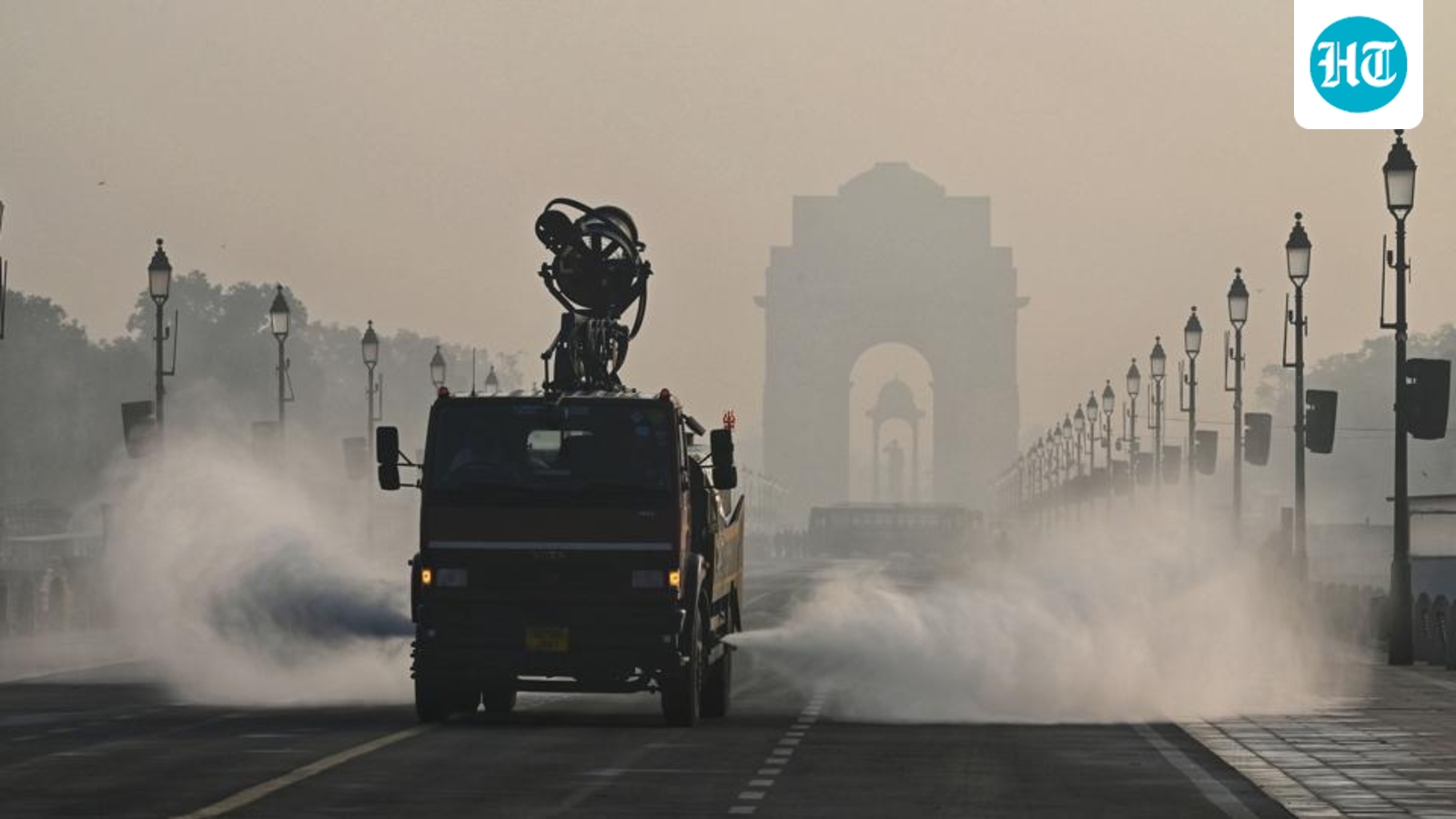
Delhi's air quality has taken a sudden turn for the worse, slipping into the 'very poor' category with a 24-hour average AQI of 332. This comes after a brief respite, with the city's air quality index dropping from 234 on Thursday to 271 on Friday. However, the situation took a drastic turn on Friday, with eight monitoring stations recording 'severe' pollution levels and 20 stations in the 'very poor' category.
According to data from the Central Pollution Control Board (CPCB), the top eight stations recording severe air quality were Anand Vihar, Bawana, DTU, Jahangirpuri, Narela, Nehru Nagar, Rohini, and Vivek Vihar. The CPCB's SAMEER app also showed that nine stations recorded poor air quality.
The CPCB classification system rates air quality from 0 to 500, with 0-50 considered good and 401-500 severe. The data from the Decision Support System (DSS) for Air Quality Management revealed that vehicular emissions were the largest contributor to Delhi's pollution load, accounting for 19.7 per cent. Residential sources and industries in Delhi and its periphery also made significant contributions.
Among the NCR districts, Jhajjar in Haryana contributed the highest share to Delhi's pollution at 20 per cent, followed by Sonipat, Panipat, Gurugram, and Rohtak. The Air Quality Early Warning System forecast that Delhi's air quality is likely to remain in the very poor category over the next six days.
On a related note, Delhi recorded a maximum temperature of 22.3 degrees Celsius on Wednesday, 1.6 degrees above normal, while the minimum temperature settled at 7.7 degrees Celsius, slightly below normal. The India Meteorological Department (IMD) forecasts a maximum and minimum temperature of around 22 degrees Celsius and 7 degrees Celsius, respectively, on Saturday, with dense fog expected over the next few days.