Delhi's Deadly Air: No Safe Haven Indoors, Experts Warn
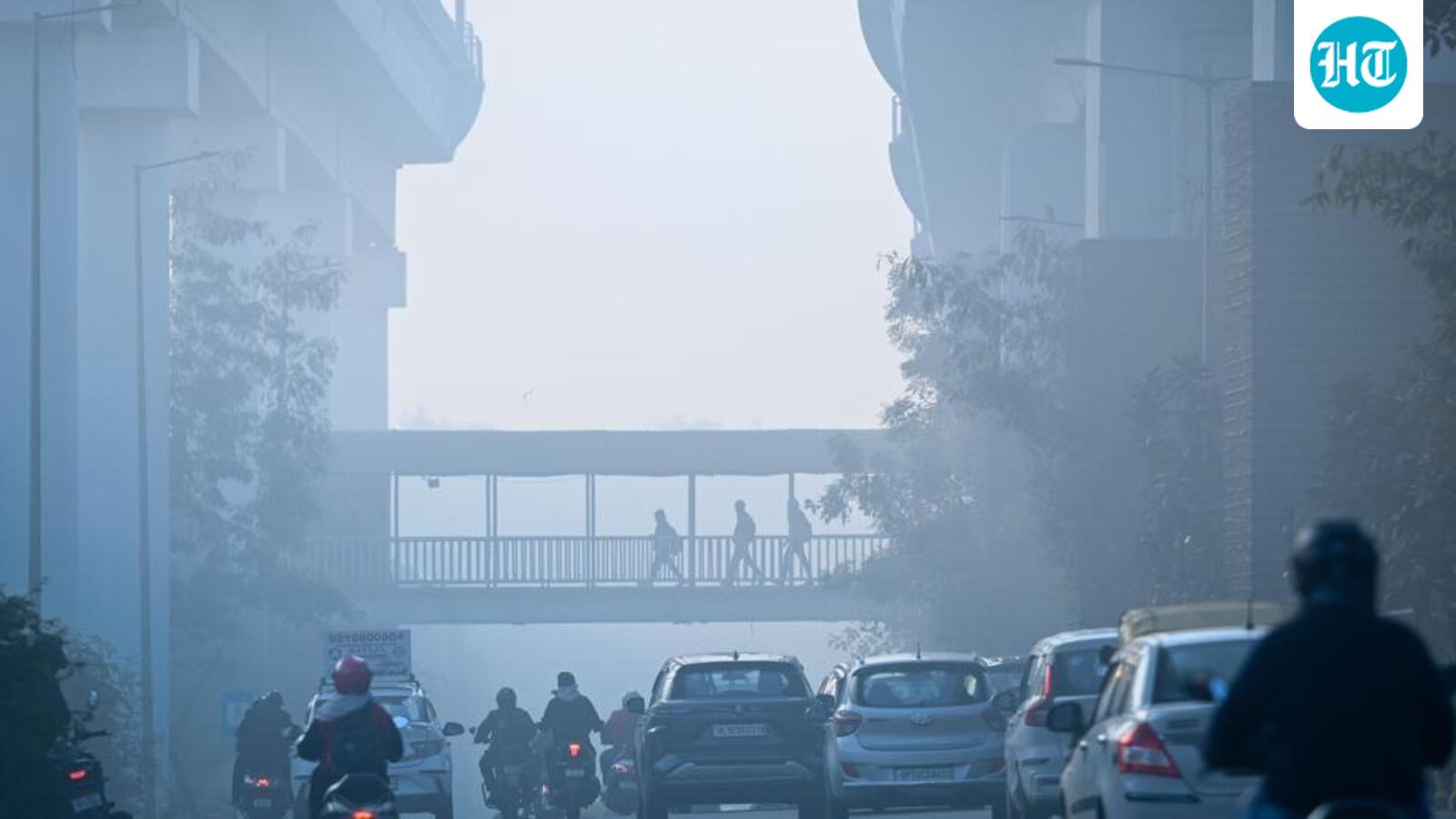
Image Source: Internet
A recent field experiment in Delhi has shattered the illusion that shutting doors can protect us from the city's toxic air. The study found that polluted outdoor air seeps indoors through ventilation systems, open doors and windows, and building leakage, leaving no safe haven for vulnerable populations. A team of reporters from Hindustan Times conducted a week-long experiment, tracking PM2.5 levels at a private school, a major hospital, and a residential home in different parts of the city. The results were alarming: all three locations exceeded national safety limits by several times, with the school and hospital readings hovering between 200-300µg/m³, even indoors. In contrast, a sealed room with a high-efficiency air purifier running continuously had PM2.5 levels as low as 18µg/m³, comfortably under India's national safe limit. Experts say that unless one is in a similar controlled environment, there is no real escape during severe pollution episodes. The study's findings have sent shockwaves among environmental activists, who describe the situation as a health emergency. "As parents, we thought closing doors would keep our families safe, but that's not the case," said Bhavreen Kandhari of Warrior Moms. "Pollution is so high, indoors and outdoors, that the only way to escape it is to leave the city.