Delhi's Mobility Crisis: Long-term Strategies Needed to Clean Air and Decongest Roads
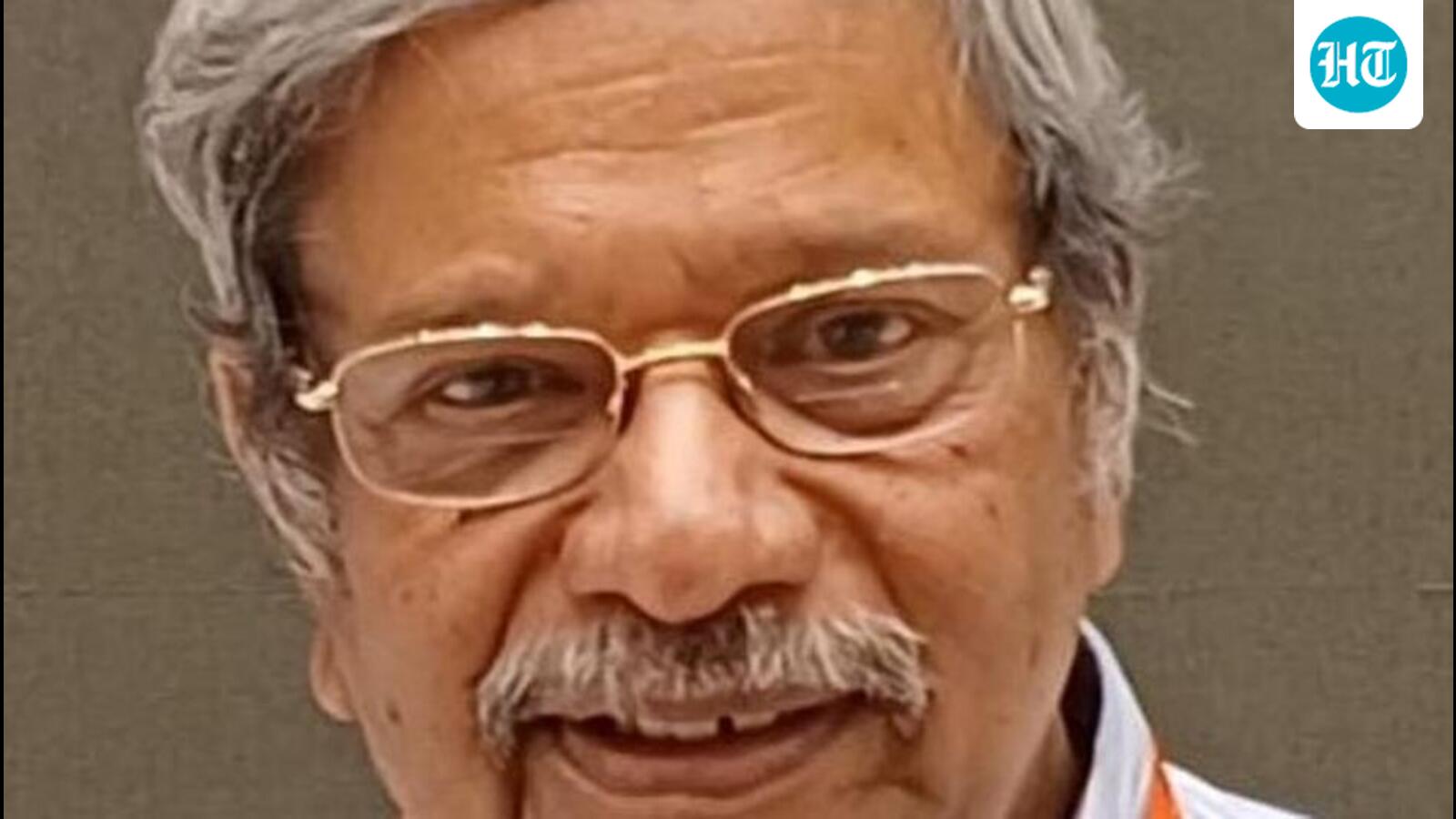
Image Source: Internet
Delhi's notorious traffic congestion and poor air quality are a result of years of short-sighted policies. According to OP Agarwal, principal author of the National Urban Transport Policy-2006, the city needs a radical shift towards long-term solutions to address its mobility crisis. In an interview with HT, Agarwal emphasized the importance of subject matter experts and decisive decision-making to create a better public transport system. Historically, Delhi had a decent bus service, but the introduction of the Metro led to a decline in bus ridership. The city's exploding population and the rise of two-wheelers further exacerbated the problem. Agarwal suggests introducing a high-quality bus service that offers convenient, reliable, and safe transportation, which would encourage car users to switch to public transport. The key to success lies in demand management, which is often politically sensitive. However, Agarwal argues that Delhi must consider restricting car ownership and promoting public transport, walking, and cycling. Other cities like Singapore and Seoul have successfully implemented demand-side management measures, such as restricting car ownership and investing in public transport. Agarwal also emphasizes the importance of integrating the Metro with bus systems and other feeder services to create a seamless transportation network. He suggests examining how people access Metro stations and providing feeder systems accordingly. A higher-level body for coordination and integration is necessary to achieve this. The new government in Delhi has the opportunity to make a three- to four-year plan to address the city's mobility crisis. Agarwal suggests focusing on long-term solutions, such as electrifying buses, taxis, and auto-rickshaws, and implementing a parking policy that charges higher fees in areas with high demand. Agarwal also suggests exploring congestion pricing in areas with high traffic density, such as Connaught Place. He proposes a variable parking fee based on location, day, and time to discourage car users from bringing their vehicles to congested areas. By implementing these measures, Delhi can create a more efficient, sustainable, and clean transportation system for its citizens.