Former India CJI Gavai Faces Backlash Over Reservation Judgment
Have seen many among SCs becoming chief secy, DGP, yardstick cannot be same for their kids, BR Gavai said on creamy layer principle in Scheduled Caste quotas | India News
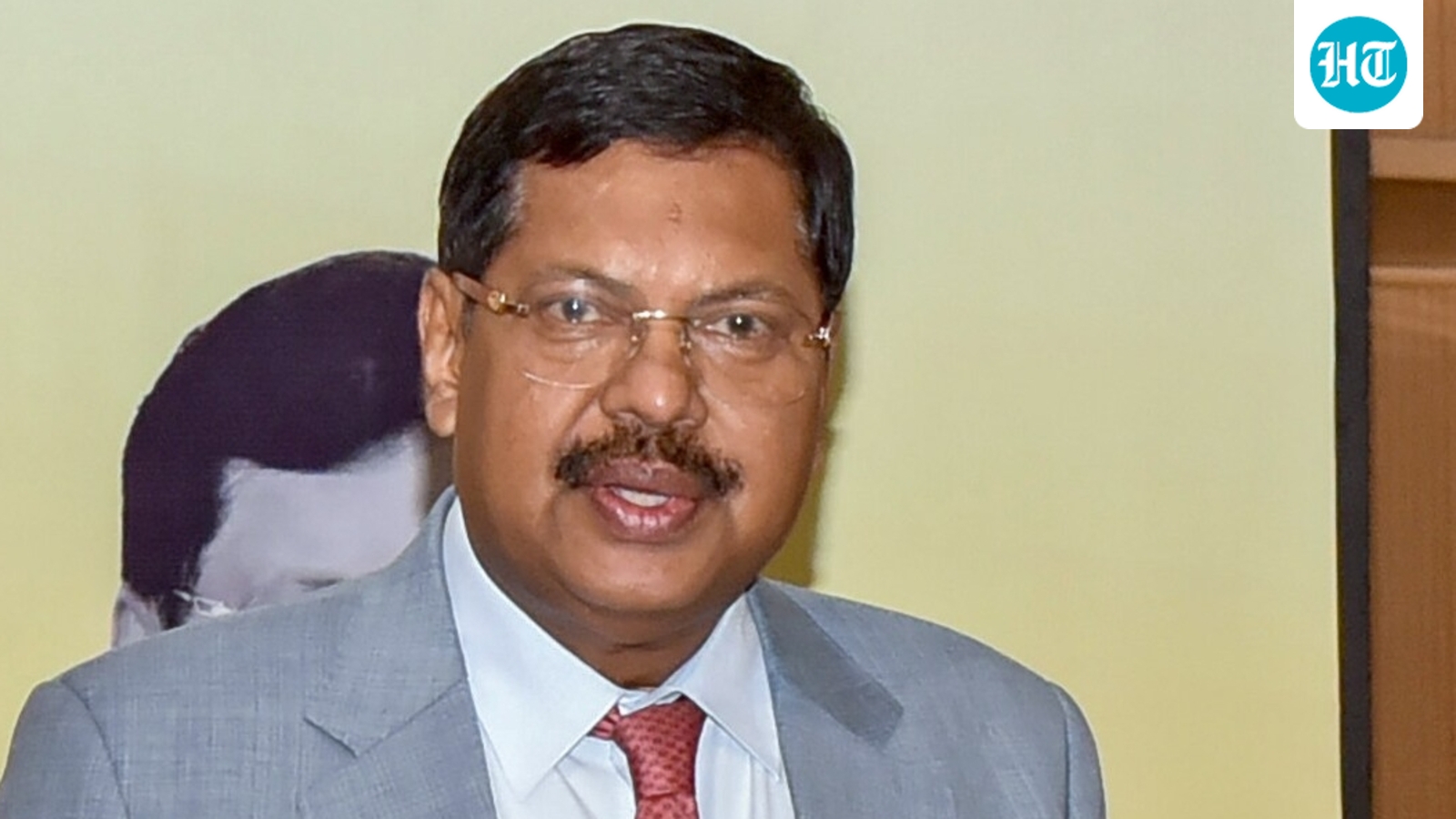
Former Chief Justice of India BR Gavai has sparked controversy with his recent judgment that the 'creamy layer' principle be applied to reservation policies for Scheduled Castes (SCs). The principle excludes individuals above a certain income bracket from quota benefits. Gavai, who became the second Dalit CJI in May 2025, has faced criticism from his own community, with some accusing him of benefiting from reservation policies to become a Supreme Court judge.
In a lecture at Mumbai University, Gavai emphasized the need for affirmative action to promote equal opportunities. He pointed out that applying the same yardstick to individuals from different socio-economic backgrounds, such as the son of a chief justice and a laborer, does not satisfy the test of equality enshrined in the Constitution.
Gavai paid tribute to Dr. BR Ambedkar, the architect of the Indian Constitution and affirmative action policies. He argued that Ambedkar's vision was to provide a 'cycle' to those lagging behind, allowing them to catch up with others. However, Gavai believes that Ambedkar's vision was not to keep individuals at the starting line, but to enable them to move forward and achieve social and economic justice.
In August 2024, Gavai, as part of a Supreme Court bench, called for the exclusion of the creamy layer within SCs and STs from reservation benefits. The judgment was a departure from the 1992 Indra Sawhney case, which confined the principle to Other Backward Classes (OBCs). Gavai's concurring opinion was supported by other justices, including the then CJI Dhananjaya Y Chandrachud.
The implementation of Gavai's judgment will require governments to make further rules. While the judge's opinion has sparked controversy, it highlights the need to revisit reservation policies and ensure that they promote true equality and social justice.