The Gujarat government has allocated ₹60 crore to establish new bio-CNG plants through cooperative milk production societies.
The objective is to transform the dairy sector into a hub for clean energy production and make the rural economy self-reliant.
A phased plan has been proposed to establish around 10 bio-CNG plants across the state, converting organic waste into purified compressed biogas.
Aligned with the vision of Prime Minister Narendra Modi on 'Waste to Wealth', Aatmanirbhar Bharat, and green energy, Gujarat's development model has emerged as a national benchmark.
The Banas bio-CNG plant model in Banaskantha district is now being adopted by nearly 15 states across the country.
Each plant scientifically processes approximately 100 metric tonnes of dung per day, built at an estimated cost of ₹50-55 crore.
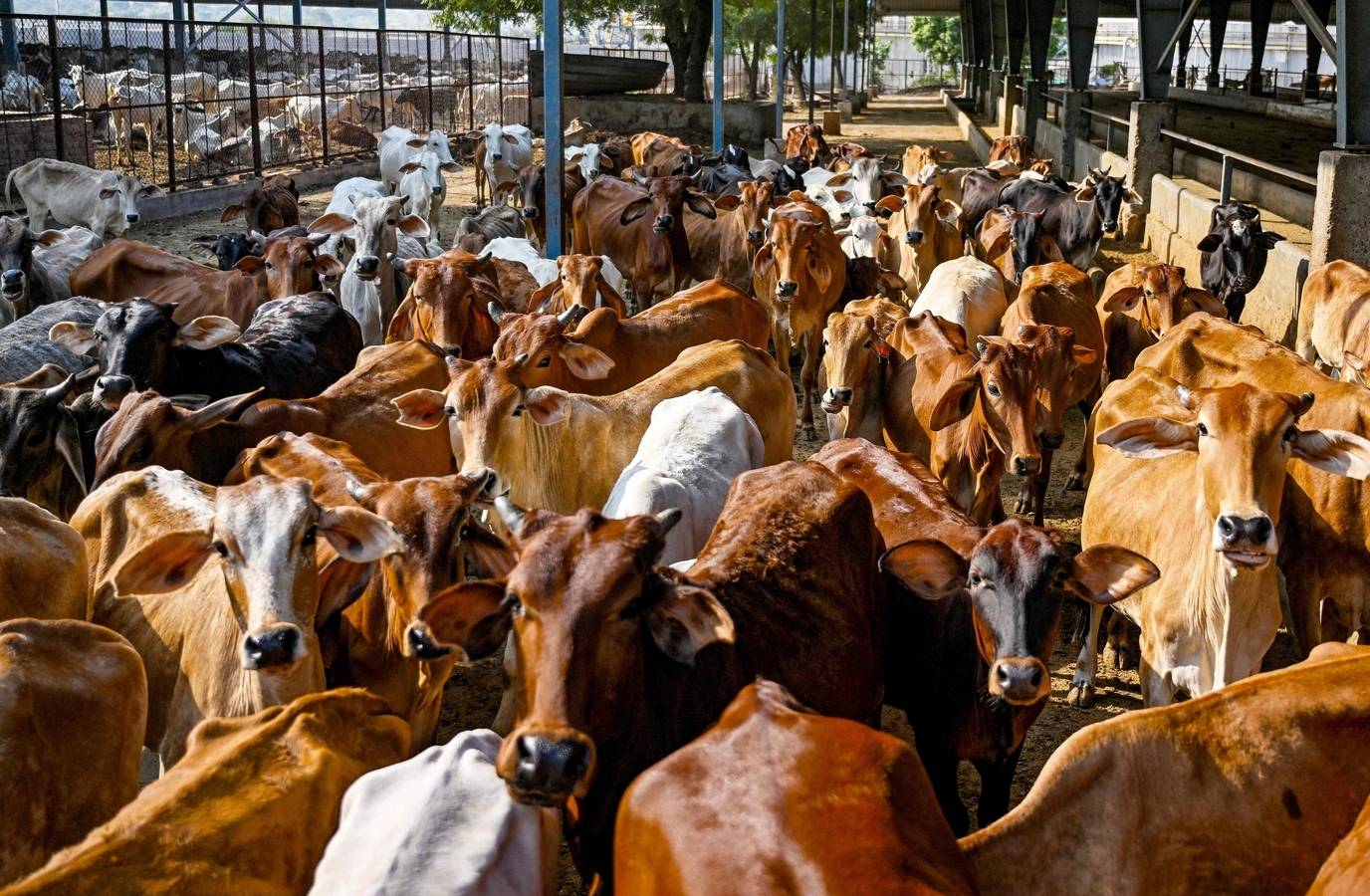
The bio-CNG plant in Banaskantha cover farmers' families from around 20-25 villages, who regularly supply dung and are paid Re 1 per kilogram.
Approximately 1,800 kilograms of compressed biogas (CNG) is produced daily and made available in the market at around ₹75 per kilogram.
About 25 metric tonnes of solid organic fertilizer and 75 metric tonnes of liquid organic fertilizer are produced, sold at approximately ₹6 per kilogram and ₹0.50 per kilogram, respectively.
This model has the capacity to reduce approximately 6,750 tonnes of CO2e greenhouse gas emissions annually, reflecting Gujarat's significant contribution in addressing the global challenge of climate change.