Gurugram Shivers at Record-Low 0.8°C as North India Grapples with Unrelenting Cold Wave
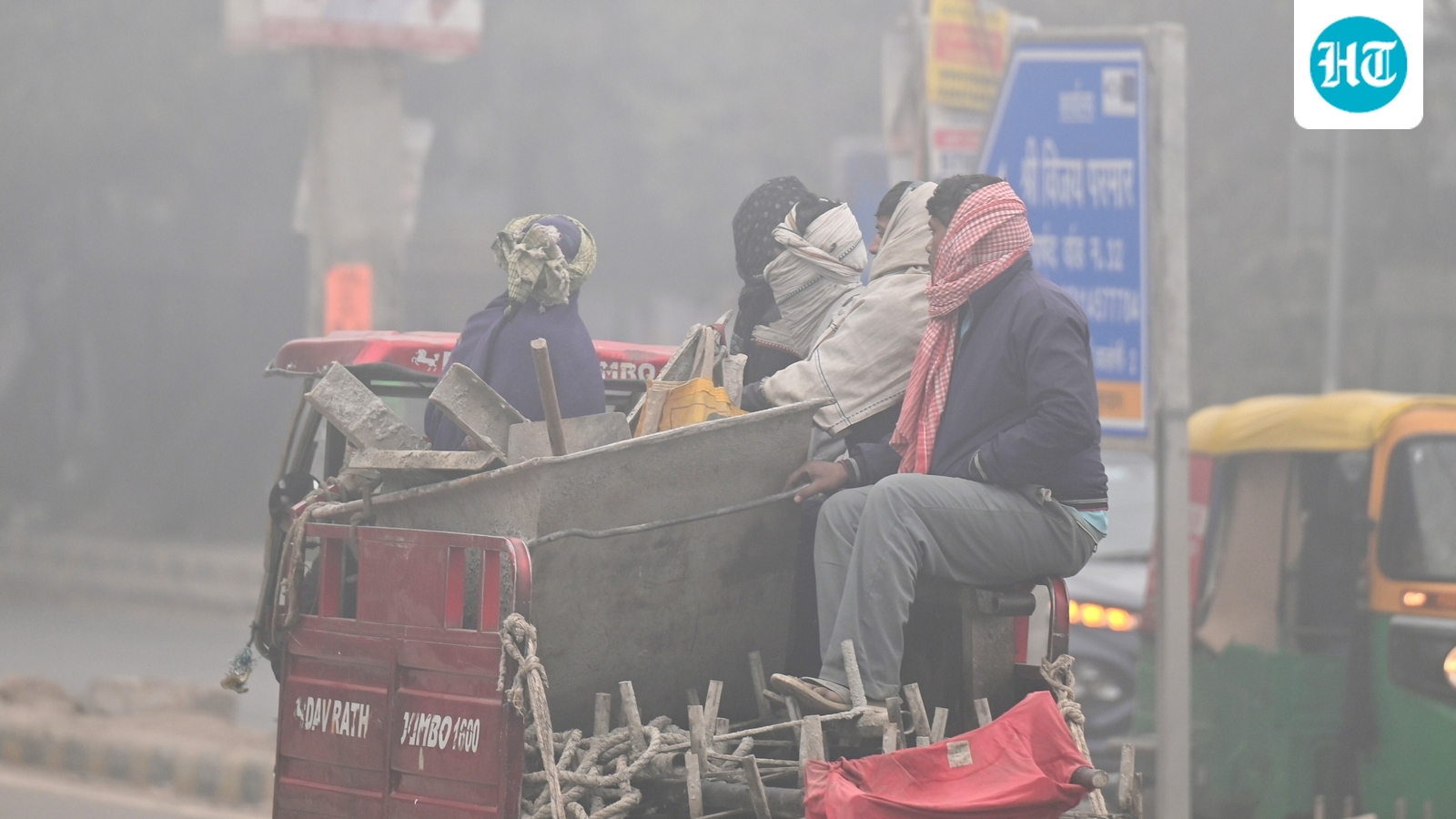
Image Source: Internet
Gurugram, a city in the National Capital Region, has been gripped by an intense cold wave, with the lowest temperature recorded in nearly five decades. The India Meteorological Department (IMD) reported a minimum temperature of 0.8 degrees Celsius on Wednesday, making it one of the coldest places in North India. The extreme winter conditions have left residents struggling, with many still reeling from the city's previous low of 0.6 degrees Celsius on Monday. This reading was a historic low, matching the temperature recorded on January 22, 1977. The city has only gone colder three times on record, with temperatures plummeting to -0.4 degrees Celsius in 1966, 0 degrees Celsius in 1970, and 0.3 degrees Celsius in 1979. While hill stations like Mussoorie and Shimla have seen relatively warmer temperatures, with readings of 7.7 and 8.8 degrees Celsius respectively, the plains have borne the brunt of the cold wave. Delhi's Safdarjung station recorded a temperature of 3.8 degrees Celsius, with other areas in the region experiencing near-freezing conditions. IMD director general M Mohapatra attributed the unusual pattern to cloud cover over the hills, which prevented heat from escaping at night. In contrast, clear skies and persistent cold northwesterly winds over the plains allowed for strong radiative cooling, pushing temperatures sharply lower. The intense cold has left its mark on the city, with frost forming on crops, grasslands, and car windshields. Daily commuters like Sunita Devi have faced hazardous conditions, including dense fog and frost, which have made travel risky. 'There was frost on our bus's windshield and crops in the fields. The elevated roads had very poor visibility, and vehicles had to move slowly,' she said. As the cold wave continues to grip the region, residents are bracing for more extreme weather conditions. The IMD has warned of frost, fog, and hazardous conditions, which are likely to persist in the coming days.