India and EU Unveil Groundbreaking Trade Deal, Redrawing Global Landscape
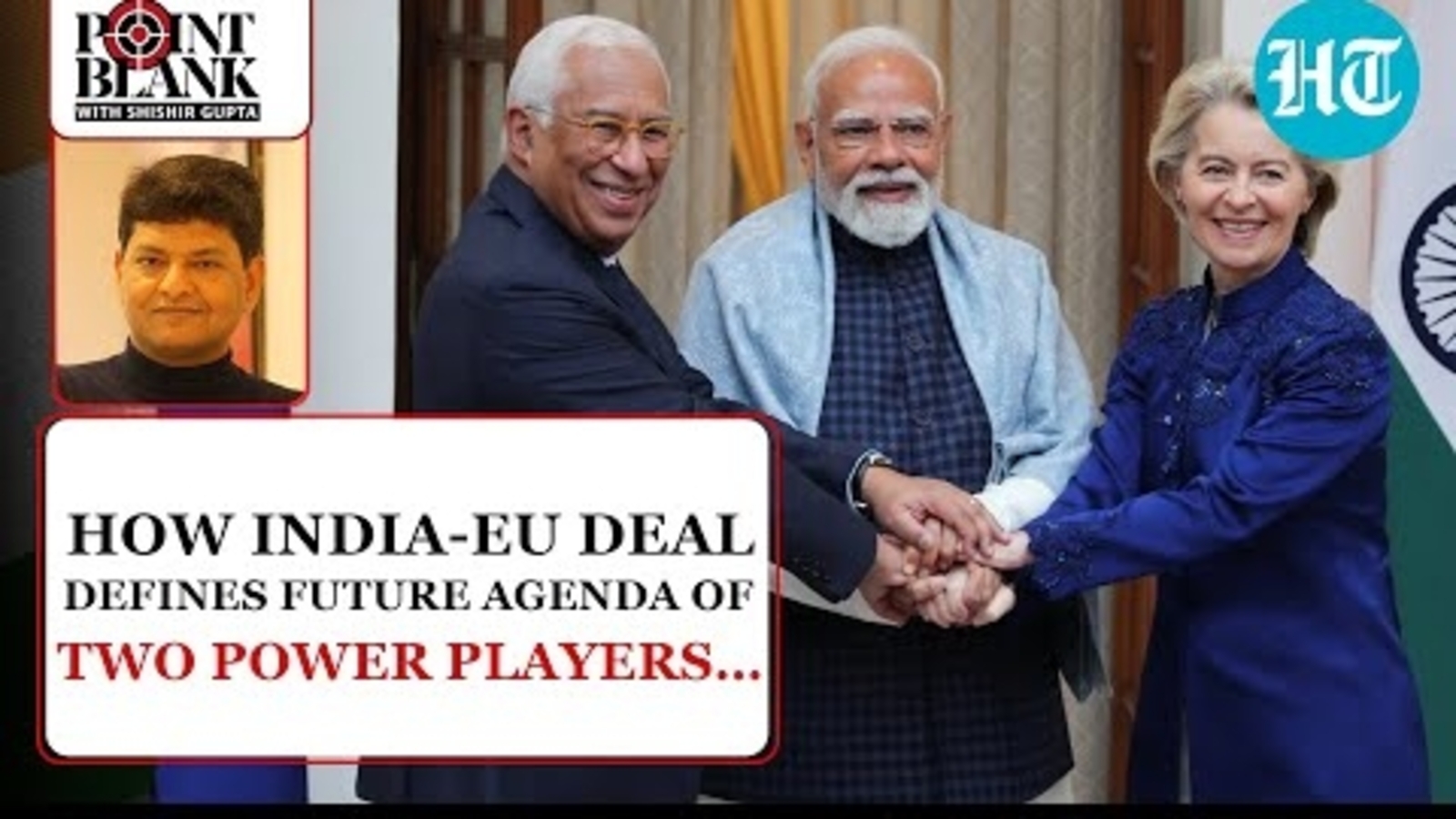
Image Source: Internet
In a historic move, India and the European Union have finalized a massive free trade agreement, cementing their positions as two of the world's largest economic blocs. This strategic partnership sends a powerful signal of a multipolar world order, where India is no longer bound by external pressures, but rather forges its own path. The agreement spans a combined market of 2 billion people and nearly a quarter of global GDP, with trade expected to rise dramatically from $130 billion to over $300 billion within a year. Up to 90% of Indian exports to the EU will enjoy zero duty, giving India a significant competitive edge in the lucrative European market. The deal's significance extends beyond trade, as it marks a significant shift in India's foreign policy. By bridging the gap with the EU, India has secured a crucial partnership that complements its existing relationships with the US, Russia, and key Asian nations. This multipolar arrangement allows India to engage with multiple power centers on its own terms. The agreement encompasses not only trade but also defence, security, and a forward-looking strategic agenda. This breadth sets a template for large democracies to cooperate in a fragmented global order. The partnership's three pillars – trade, defence, and a comprehensive strategic agenda – will shape the future of Indo-EU relations. The defence and security component is particularly noteworthy, with European defence majors set to partner directly with India's private sector. This collaboration will facilitate joint ventures, cyber security cooperation, and maritime security initiatives, particularly in the Indo-Pacific. Space cooperation and joint projects, such as Eurodrone-like platforms, are also expected to gain momentum. As India and the EU look to the future, the comprehensive strategic agenda will play a crucial role in deepening their partnership. This agreement will enable the two sides to cooperate in sensitive domains like high-end technology, dual-use systems, and critical supply chains. Supply chains will "plug into" each other, with Indian investment in European auto firms expected to accelerate, and European automakers set to establish operations in India. The agreement's mobility component will also support labour-intensive growth, creating new job opportunities in sectors such as textiles, leather, engineering goods, and services. For young Indians, the EU market will become a more accessible destination for trade-related employment and specialized high-tech roles. As Prime Minister Narendra Modi's multipolar vision takes shape, this trade deal is a major milestone. It marks the biggest trade agreement Europe has signed with any single country, underscoring India's growing influence in global affairs. The journey to this agreement was long and arduous, with talks dating back to 2007 and numerous rounds of negotiations. For Modi, the stakes are high, as this deal completes his multipolar map. With strong ties with Washington and Moscow, an entrenched role in Asia and the Indo-Pacific, and now a deep economic and security partnership with Europe, India is no longer a rule-taker in the global order but a rule-shaping power at the heart of an emerging multipolar world.