The Union Cabinet has cleared the final two semiconductor units under the first phase of the India Semiconductor Mission, with an investment of ₹3,936 crore. The projects will be funded under the ₹76,000 crore outlay earmarked for the India Semiconductor Mission 1.0, introduced in 2022.
Both facilities, announced by IT Minister Ashwini Vaishnaw during the cabinet briefing, will be set up in Gujarat. With these approvals, the government has completed the initial slate of projects under ISM 1.0, taking the total to 12 units and cumulative investments of ₹1.65 lakh crore, Vaishnaw said.
The government is now preparing to roll out the next phase, ISM 2.0, which is expected to have an outlay of over ₹1 lakh crore, HT reported earlier.
The government is positioning the larger of the two facilities - Dholera-based Crystal Matrix project - within a broader shift in display technologies from LCD to next-generation MicroLED.
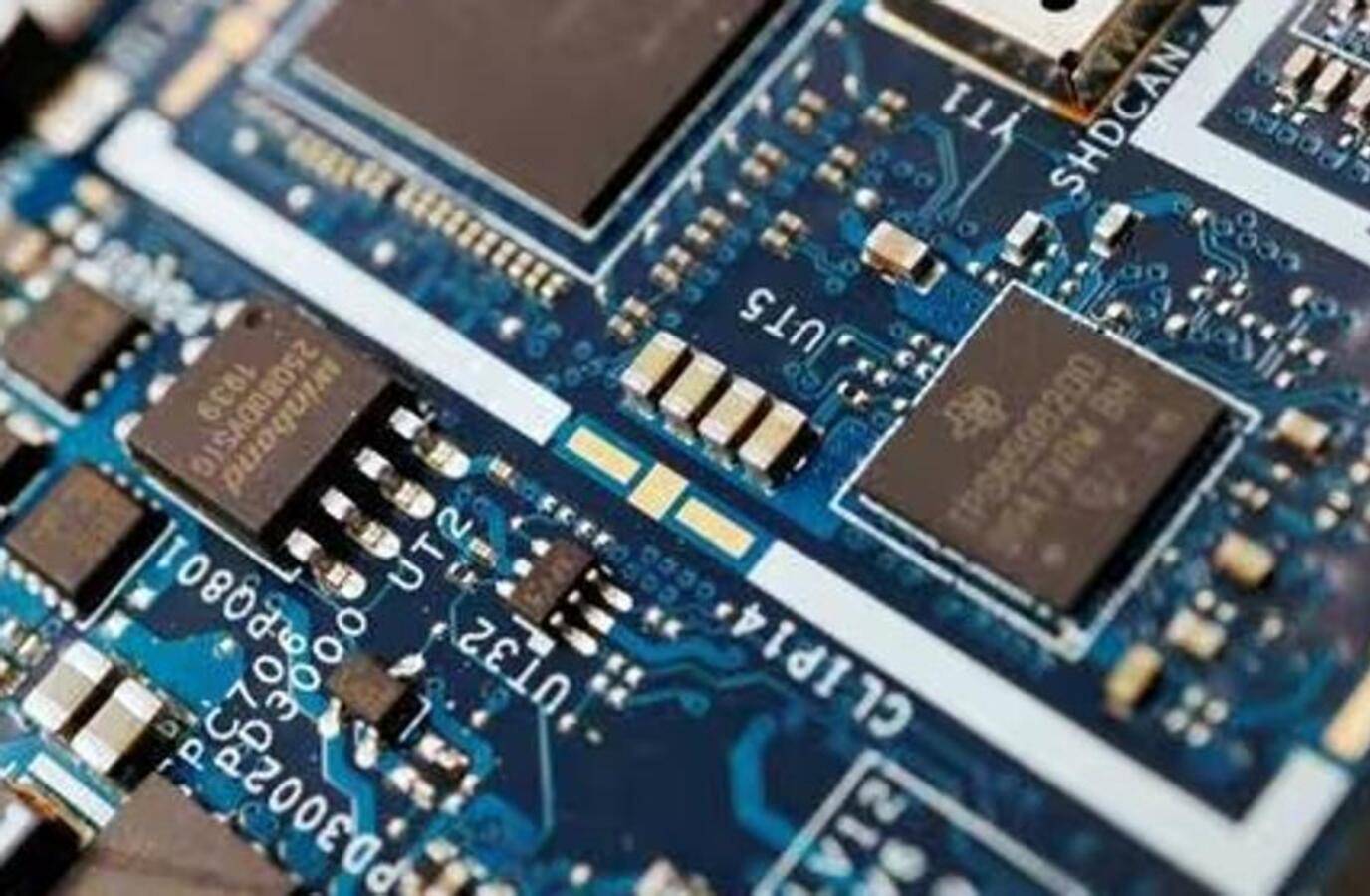
The ₹3,068 crore Crystal Matrix facility will manufacture gallium nitride (GaN) wafers used in Mini and MicroLED displays, along with advanced packaging (ATMP). These components are used in applications such as large video walls, AR/VR systems, studio production, and specialised defence and medical displays.
The second project, approved for Suchi Semicon Pvt. Ltd. at Surat, with an investment of ₹868 crore, involves setting up an OSAT (outsourced semiconductor assembly and test) facility, which will manufacture semiconductor packaging components such as lead frames and wire-bond packages.
The Surat facility will have an annual production capacity of 673 million units of small outline integrated circuits (SOIC) and 360 million units of transistor outline (TO-263) packages.