India Cracks Down on Toll Evasion: New Rules Impose Stricter Penalties
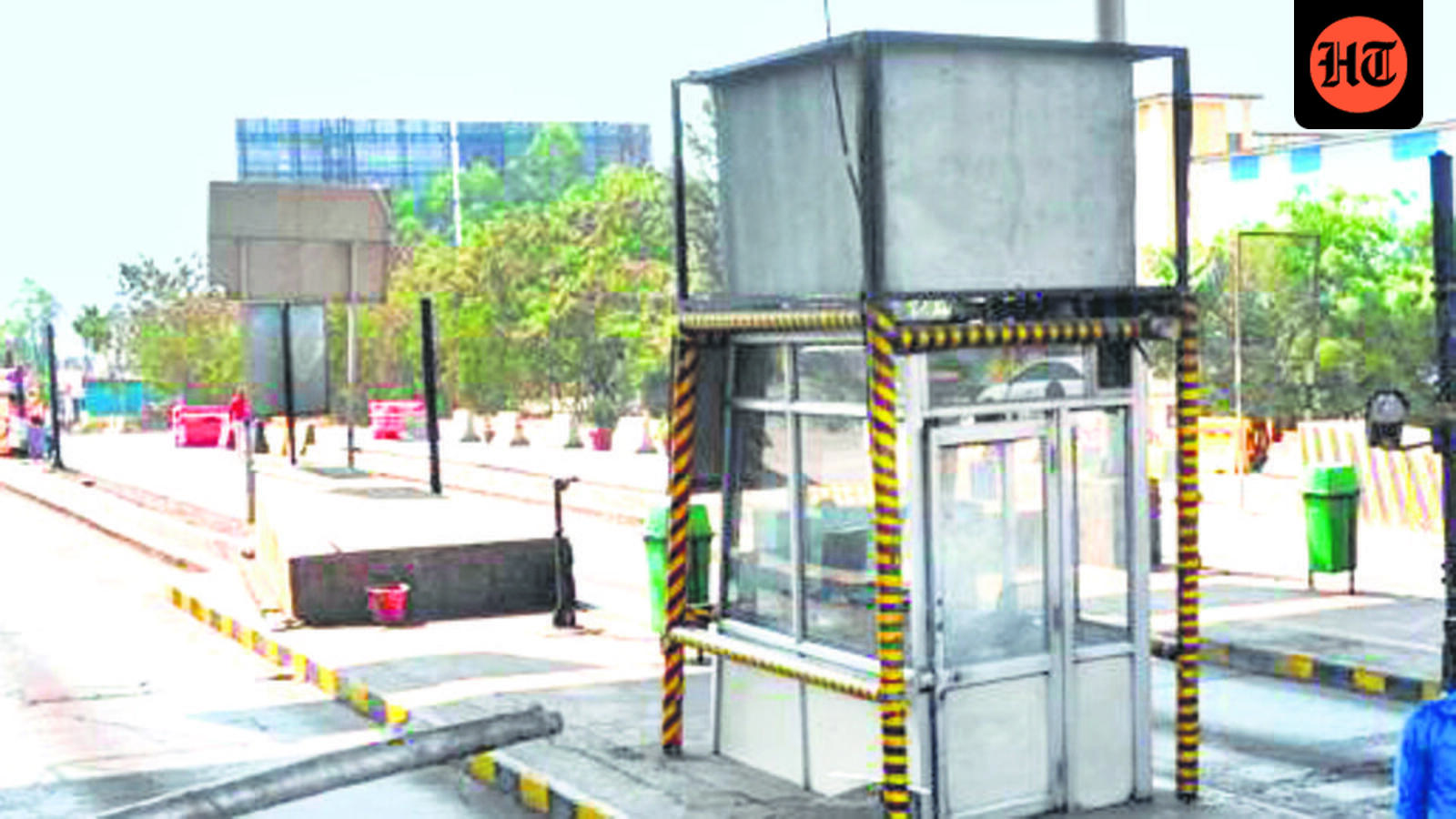
Image Source: Internet
In a bid to curb toll evasion and ensure seamless barrier-less toll collection on national highways, the Centre has introduced new rules that will restrict vehicle owners who fail to pay toll fees or clear pending dues from accessing essential services. Under the Central Motor Vehicles (Second Amendment) Rules, 2026, individuals with unpaid toll fees will no longer be able to transfer ownership of their vehicles, obtain inter-state transfer clearances, renew fitness certificates, or secure national permits for commercial operations. The changes are designed to support the upcoming roll-out of multi-lane free flow (MLFF) tolling, which will enable barrier-less toll collection on national highways. Currently, this system is being tested in select toll plazas, with the ministry aiming for full coverage by the end of 2026. The new rules define 'unpaid user fee' as toll payable for the use of a national highway section where an electronic toll collection (ETC) system has recorded a vehicle's passage but the applicable fee has not been received. The amendments also revise Form 28, the application form for obtaining a no-objection certificate (NOC), requiring applicants to declare any unpaid toll demands against their vehicle. To promote digital processing, the rules enable electronic issuance of portions of Form 28 through a designated online portal. These changes aim to tighten toll compliance and ensure effective functioning of the MLFF system, which will depend on high compliance levels for its smooth operation.