
India Eases Forest Land Leasing for Private Afforestation, Timber Projects Amid Conservation Concerns
The Union environment ministry has cleared the way for private and government entities to lease forest land for afforestation | India News
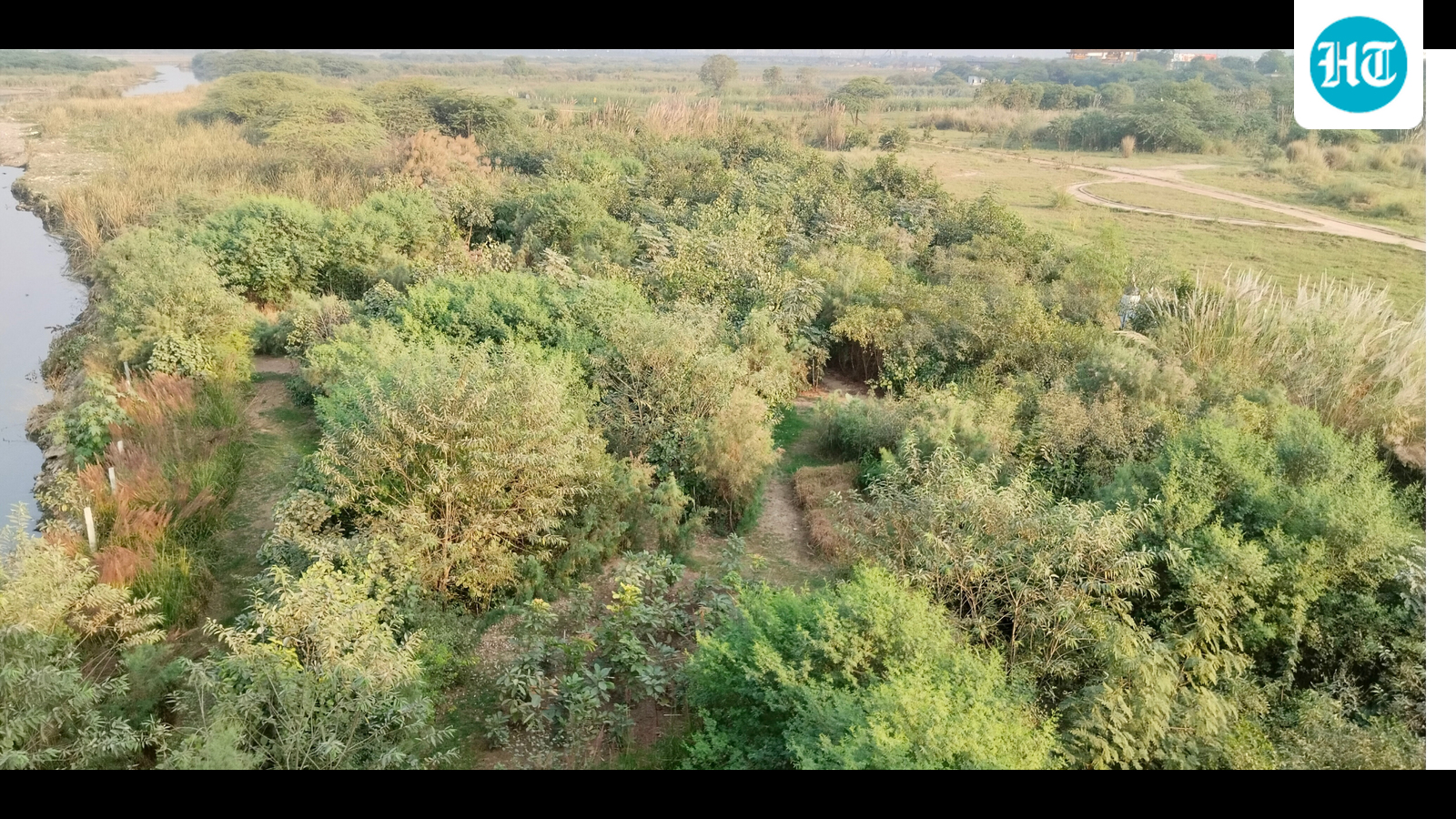
In a move that has sparked debate over forest conservation, the Union environment ministry has relaxed rules for private and government entities to lease forest land for afforestation and timber projects without paying environmental compensation fees.
The ministry's letter to state governments, dated January 2, effectively reclassifies afforestation and silvicultural activities as 'forestry activities,' exempting them from compensatory afforestation requirements and net present value (NPV) fees. These fees are typically charged to developers to offset the loss of forest land and ecosystem services.
The change, announced in a January 2 circular, amends previous guidelines that designated commercial plantations of low-rotation or medicinal plants on forest land as 'non-forestry activities.' Under the new rules, projects must follow a detailed project report (DPR) and operate under state forest department supervision to avoid penalties for diverting forest land.
State governments can now devise frameworks for revenue sharing with private or government entities on a case-by-case basis, as long as projects align with an approved working plan. However, critics argue that the reclassification opens public lands to commercial exploitation, citing concerns over the potential loss of ecosystem services.
Senior Congress leader Jairam Ramesh criticized the move, linking it to legislative changes made last year that critics warned would facilitate the 'privatisation of forest management.' The policy change follows the 2023 renaming of the forest law and recent notifications regarding 'Green Credits,' a market-based system designed to incentivize environmental actions.
The shift in policy has sparked concerns over India's commitment to forest conservation and the potential impact on degraded landscapes. While the ministry has stated that projects must operate under approved working plans, critics argue that the new rules may hinder restoration efforts and increase dependence on imports of pulp, paper, and paperboard.