
India Edges Closer to Sea-Based Nuclear Triad with K-4 Missile Test Success
DRDO tested the K-4 missile, launched from Indian nuclear powered ballistic missile (SSBN) INS Arighaat, in the Bay of Bengal on December 23. | India News
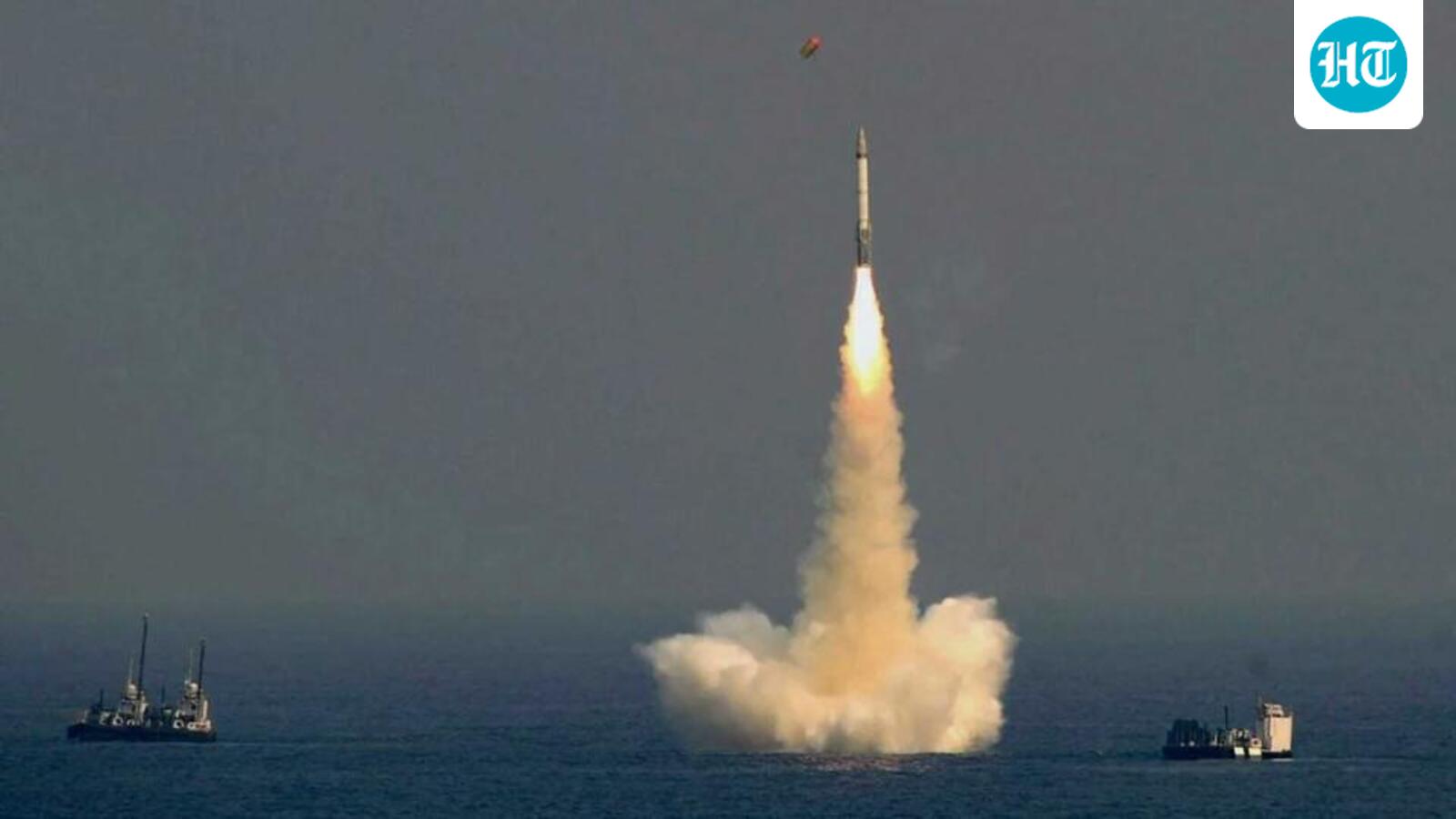
India is on the cusp of achieving a significant milestone in its nuclear triad capabilities, following the successful test-firing of the K-4 submarine-launched nuclear ballistic missile in the Bay of Bengal on December 23. The 3,500-kilometer-range missile, launched from the INS Arighaat, a nuclear-powered ballistic missile submarine (SSBN), is a key component of the country's sea-based nuclear deterrent.
The test was delayed by a few days due to the presence of a Chinese ocean mineral resources vessel in the vicinity, but the Indian Defense Research and Development Organization (DRDO) successfully conducted the launch. The K-4 missile is expected to undergo a few more test-firings before being inducted into the country's nuclear arsenal, which is operated by the tri-services Strategic Forces Command (SFC).
India's foray into sea-based nuclear triad capabilities comes at a time when the country is facing strategic threats in both the Arabian Sea and the Indian Ocean Region. China's increasing naval presence in the region, including the deployment of an aircraft carrier, is expected to pose a significant challenge to India's security.
To counter these threats, India is expanding its nuclear-powered submarine fleet, with the commissioning of the INS Aridhaman, the third SSBN in the Arihant class, scheduled for the first quarter of 2026. The country is also planning to construct two nuclear-powered attack submarines (SSNs) under the 'Make in India' initiative, which will provide an additional layer of security in the region.
The successful test-firing of the K-4 missile is a significant step towards achieving India's sea-based nuclear triad capabilities, which will provide the country with a credible second-strike capability in the event of a nuclear attack. This will not only enhance India's security but also provide a counter to China's growing naval presence in the Indian Ocean Region.