India Records 8th Warmest Year Despite Mild Summer, Monsoon; Cooler Days Ahead
India recorded its eighth warmest year in 2025, with temperatures 0.28°C above average, despite a mild summer and robust monsoon, IMD reports.| India News
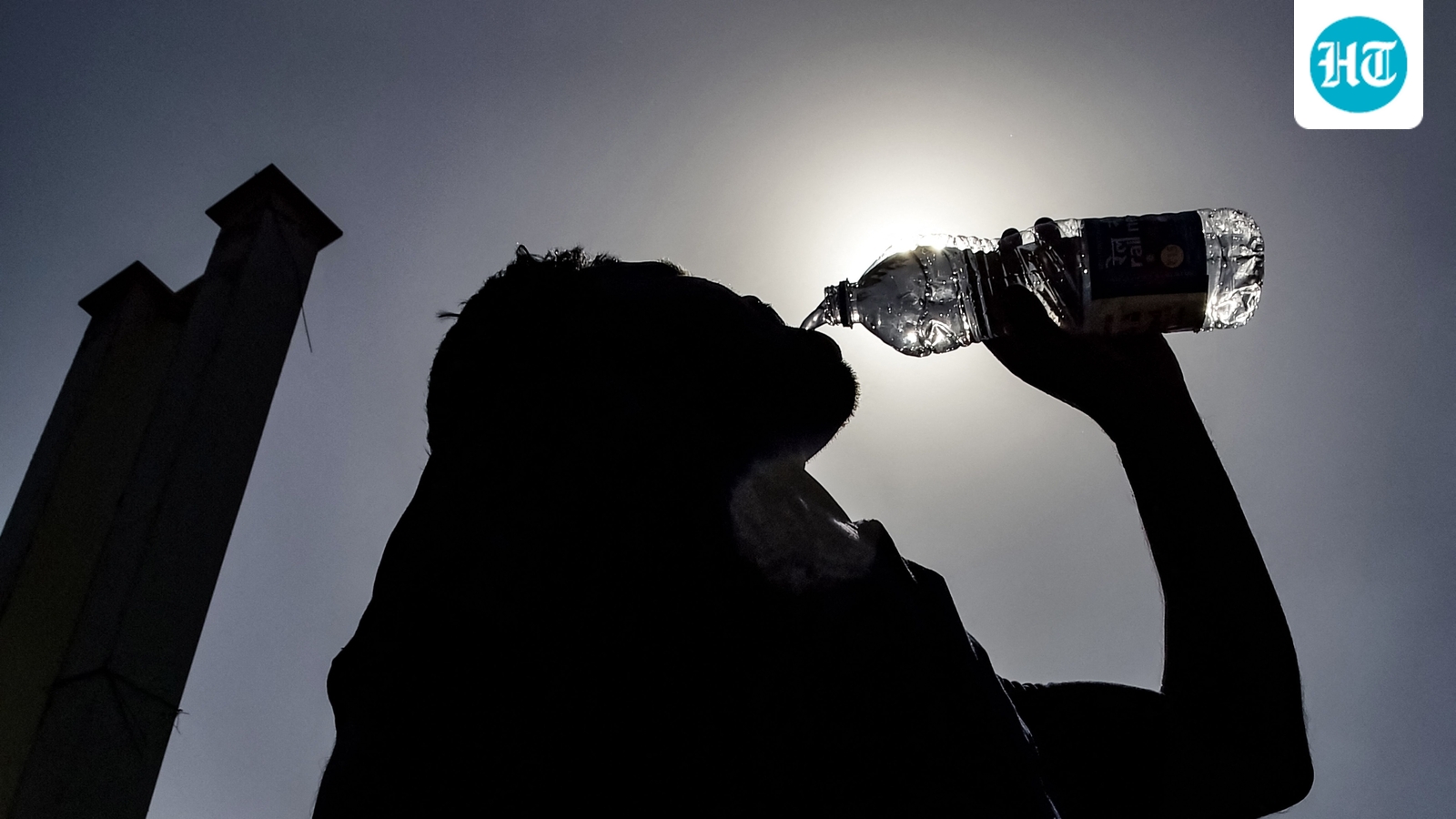
India experienced its eighth warmest year in 2025, with temperatures 0.28°C above the 1991-2020 long-term average. Despite a relatively mild summer and a robust monsoon, the country's climate change impacts are becoming increasingly evident. According to the India Meteorological Department (IMD), January 2026 is expected to bring relief from severe cold waves in the northwest, with cooler days forecasted across most of the country.
The warmest year on record remains 2024, when temperatures soared 0.65°C above the long-term average. The past decade (2016-2025) has emerged as the warmest on record, with 10 of the 15 warmest years occurring in the last 15 years. IMD scientists emphasize that climate change is driving India's temperature trends, with a statistically significant warming trend of 0.68°C per century observed over the longer period from 1901 to 2025.
Last year's seasonal breakdown reveals a mix of above-average temperatures, with winter months 1.17°C above the long-term average and the monsoon season 0.09°C above. The country received above-normal monsoon rainfall at 110% of the Long Period Average (LPA) for 1971-2020. February 2025 stood out with exceptional heat, recording the second-highest monthly maximum temperature and the highest monthly minimum temperature ever.
India witnessed four cyclones over the North Indian Ocean, with devastating effects on Sri Lanka and Indonesia, Malaysia, and Thailand. Extreme weather events claimed approximately 2,760 lives in 2025, with Uttar Pradesh, Madhya Pradesh, and Maharashtra being the worst-affected states.
Looking ahead to January 2026, most of the country is expected to see below-normal minimum temperatures, except for parts of northwest and northeast India, as well as southern peninsular regions. Maximum temperatures will likely remain below normal across most areas, except for parts of west-northwest India, most of northeast India, and the Indo-Gangetic plains. Rainfall in January is forecast to be normal across the country, with northwest India also expected to receive normal rainfall.
The January forecast comes after an exceptionally dry December, when the country recorded 68.9% below-normal rainfall. Northwest India, which relies heavily on winter rainfall, is expected to receive below-normal rainfall for the January-March quarter, which is crucial for the region's rabi crops and water management.