India's Central Business Districts: Losing Ground to Suburban Hubs
As prime business districts shift to the outskirts, concerns are being raised about potential urban sprawl and the future of traditional CBDs | India News
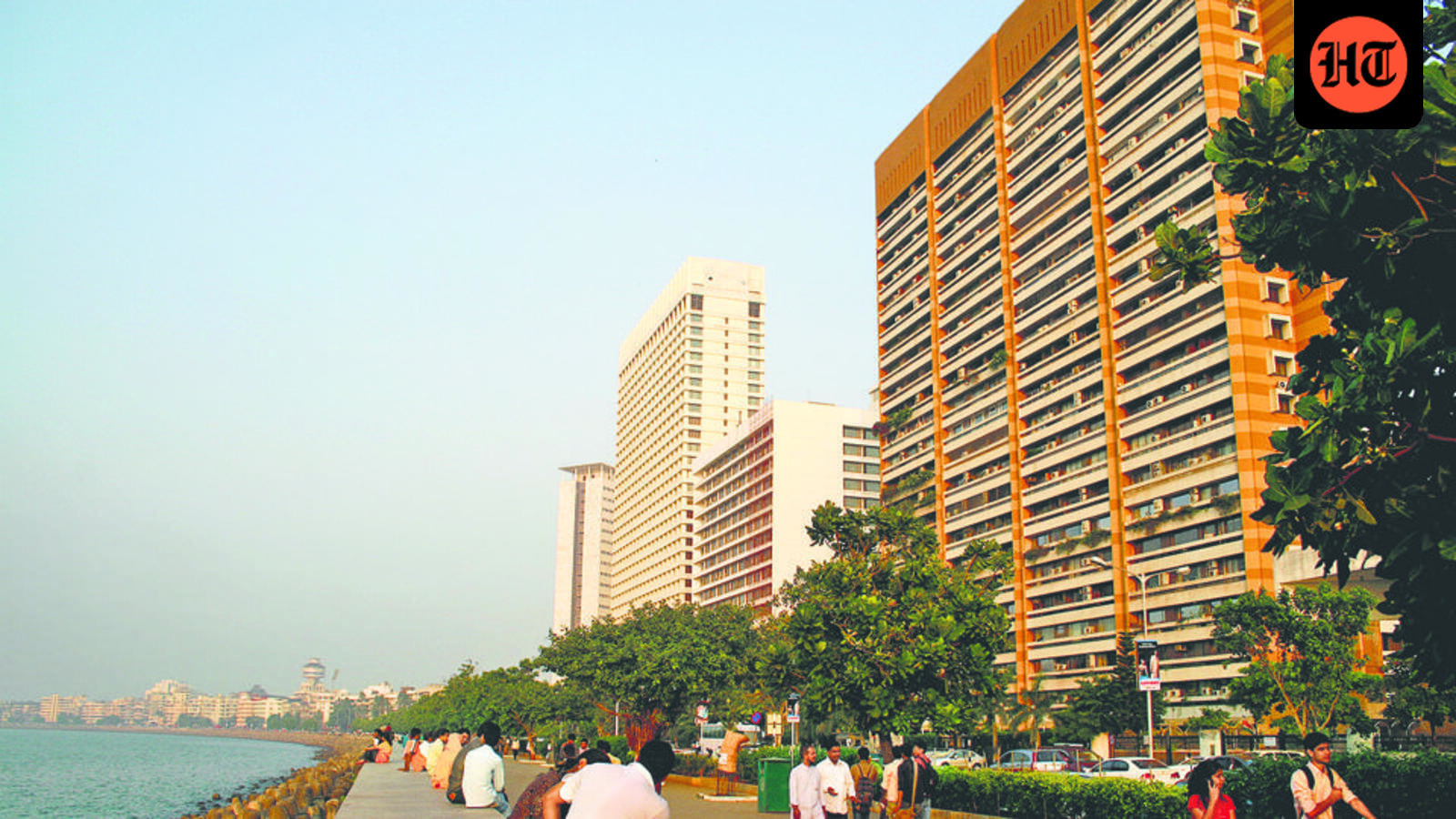
India's central business districts (CBDs) are facing an unprecedented challenge as companies are increasingly moving to suburban hubs, driven by the need for modern, affordable, and scalable office spaces. This shift is not only changing the urban landscape but also raising concerns about urban sprawl, economic growth, and the future of traditional CBDs.
The Karnataka government's ₹20,000 crore Artificial Intelligence-driven Greater Bengaluru Integrated Township in Bidadi, Haryana's 1,000-acre Global City near Gurugram, and Mumbai's Wadala as a new corporate hub are just a few examples of the emerging suburban hubs. These areas offer companies the flexibility to choose from a range of office spaces, from modern campuses to affordable rentals, and are often located near major transportation hubs, making them attractive to employees who prefer to live and work in the same area.
According to a recent report by Knight Frank, only 15% of office stock in the Mumbai Metropolitan Region is concentrated in CBDs, while 58% is found in suburban business districts. In Bengaluru, the peripheral districts of Whitefield, Electronic City, and Bannerghatta Road dominate the office market, accounting for 52% of the office space. The National Capital Region (NCR) still has the highest proportion of office space in CBDs at 44%, but even here, the trend is shifting towards suburban districts.
Experts point out that the traditional CBDs in Indian cities are often plagued by outdated, cramped office spaces, and regulatory hurdles that prevent developers from building higher and denser. The lack of large floor plates, poor connectivity, and limited amenities make it difficult for companies to operate efficiently in these areas. In contrast, the newer suburban hubs offer a more modern, sustainable, and efficient environment for businesses to thrive.
However, the shift towards suburban hubs also raises concerns about urban sprawl, infrastructure, and the environment. The rapid expansion of cities is leading to the loss of fertile farmland, pollution, and degradation of natural habitats. Experts warn that unless the government takes steps to promote compact, walkable, and sustainable urban development, the consequences will be dire.
To address these challenges, experts recommend a range of solutions, including the redevelopment of derelict properties, the creation of urban growth boundaries, and the promotion of transit-oriented development. The government's Urban Challenge Fund, announced in the 2025-26 Union Budget, offers a potential opportunity to promote creative redevelopment and sustainable development in India's cities.
Ultimately, the future of India's CBDs will depend on the government's ability to strike a balance between economic growth, environmental sustainability, and social equity. By promoting compact, walkable, and sustainable urban development, the government can create vibrant, thriving cities that benefit both businesses and citizens.