India's Education Loan Crisis Worsens: Parliamentary Panel Flags Inadequate Disbursal, Calls for Reforms
A parliamentary committee warns of a crisis in education loans, citing rising costs and declining access, especially for poorer students, urging reforms. | India News
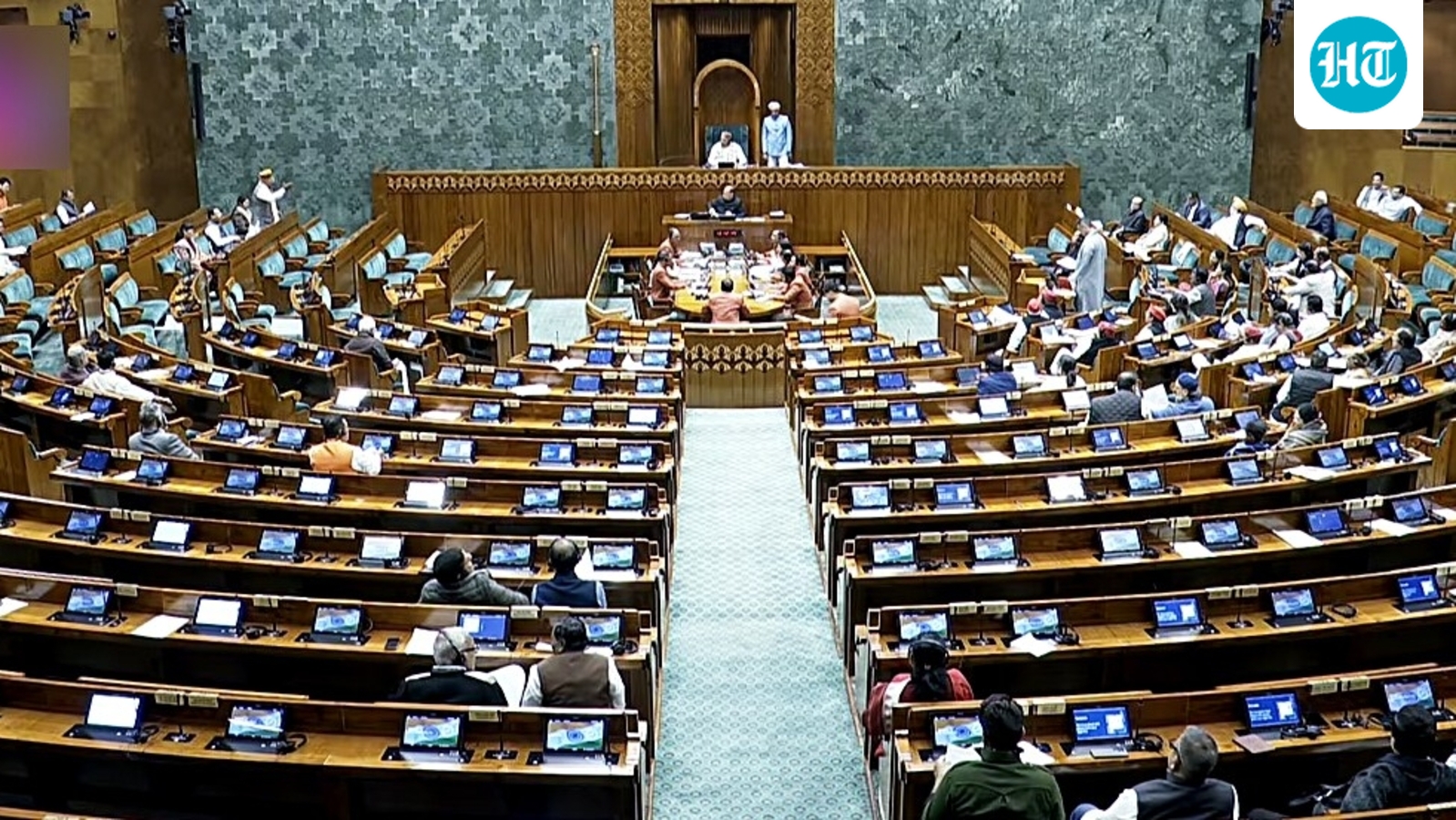
A parliamentary committee has sounded the alarm on India's education loan crisis, citing a sharp decline in accessible loans and a significant increase in outstanding debt. The Standing Committee on Education, Women, Children, Youth and Sports has released a report that highlights the difficulties faced by students from disadvantaged backgrounds in securing education loans.
The report reveals that the number of active student loans has decreased from 23.36 lakh in 2014 to 20.63 lakh in 2025, despite the outstanding loan value nearly tripling to ₹1.37 lakh crore. This disparity is largely due to rising education costs and inadequate access to credit, particularly for families in rural areas.
A major concern raised in the report is the government's PM Vidyalaxmi scheme, which has seen only 15% of its sanctioned funds disbursed between February and August 2025. Out of 55,887 loan applications, banks sanctioned 30,442 loans but released funds in only 21,967 cases. Several banks failed to sanction any loans during this period.
The committee has criticized the banking system for being 'callous' and 'systemically exclusionary', recommending strict guidelines from the RBI and DFS to prevent rejections and delays. They also suggest introducing a district-wise real-time dashboard to track the sanction, rejection, and disbursal of loans.
The report also highlights the need for greater awareness about education loan schemes, particularly among rural schools, state-run schools, and students without internet access. The committee recommends shifting the focus of publicity campaigns to Class 11 and 12 students and using multiple languages and short-video formats to reach a wider audience.
In addition, the committee has made several key recommendations, including revising the RBI's decade-old cap on collateral-free loans, expanding the Credit Guarantee Fund Scheme for Education Loans, and introducing income-based categories for loan eligibility. They also suggest replacing income certificates with ration-card-based eligibility criteria and reserving 20% of all loans for families receiving free rations.
The report also emphasizes the need for flexible repayment models, extending the loan repayment moratorium to two years after course completion, and introducing income-contingent repayment models to reduce defaults. Furthermore, the committee recommends creating an integrated grievance redressal system and appointing trained nodal officers in every bank branch to assist students with applications.
The committee has reiterated its earlier concerns that education loans cannot be treated as purely commercial products and has recommended a uniform, reasonable interest-rate policy across all lenders. They also suggest opening PM Vidyalaxmi loans to students outside the 902 'Quality Higher Education Institutions,' which is a significant proportion of colleges in the country.