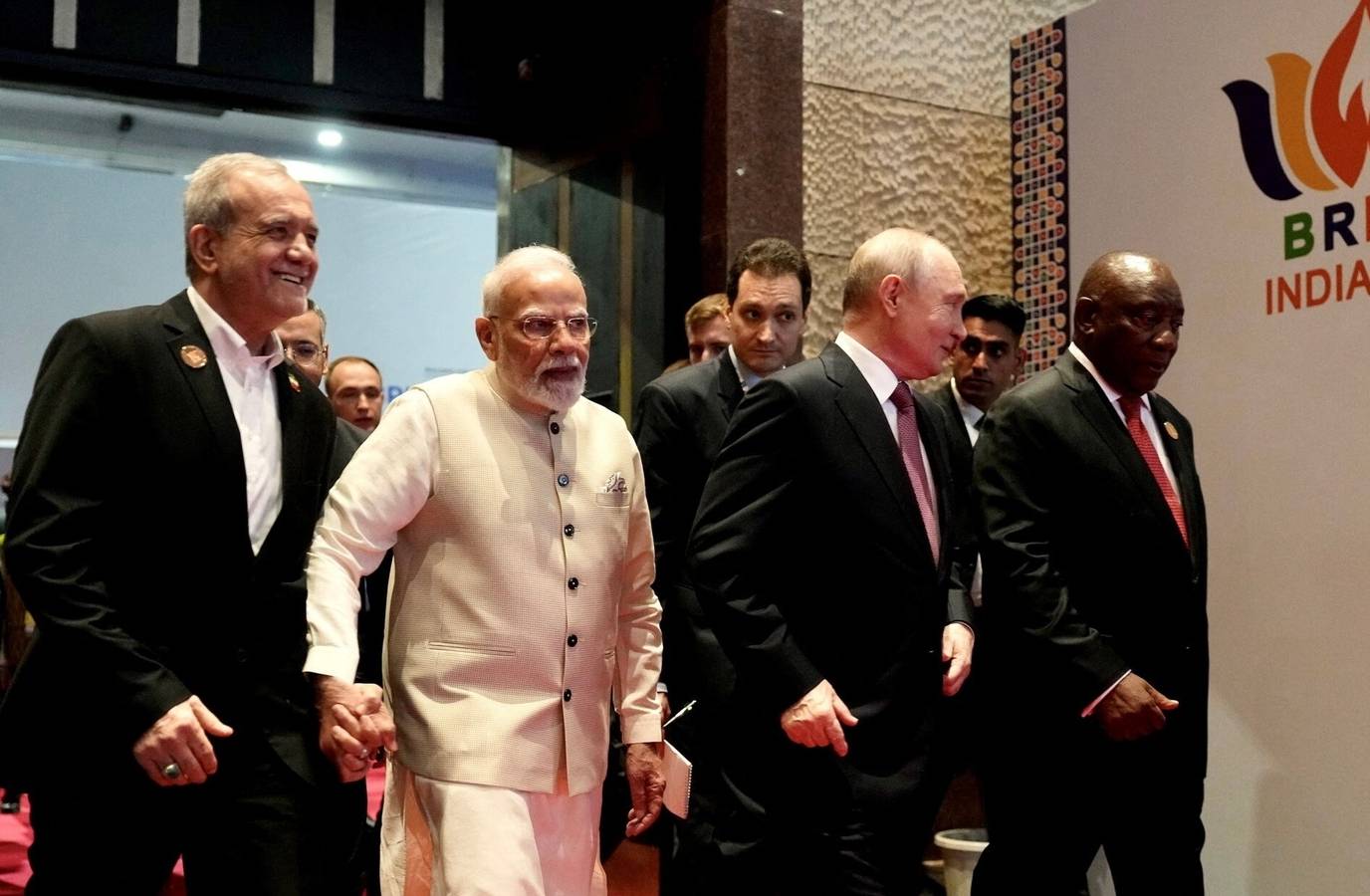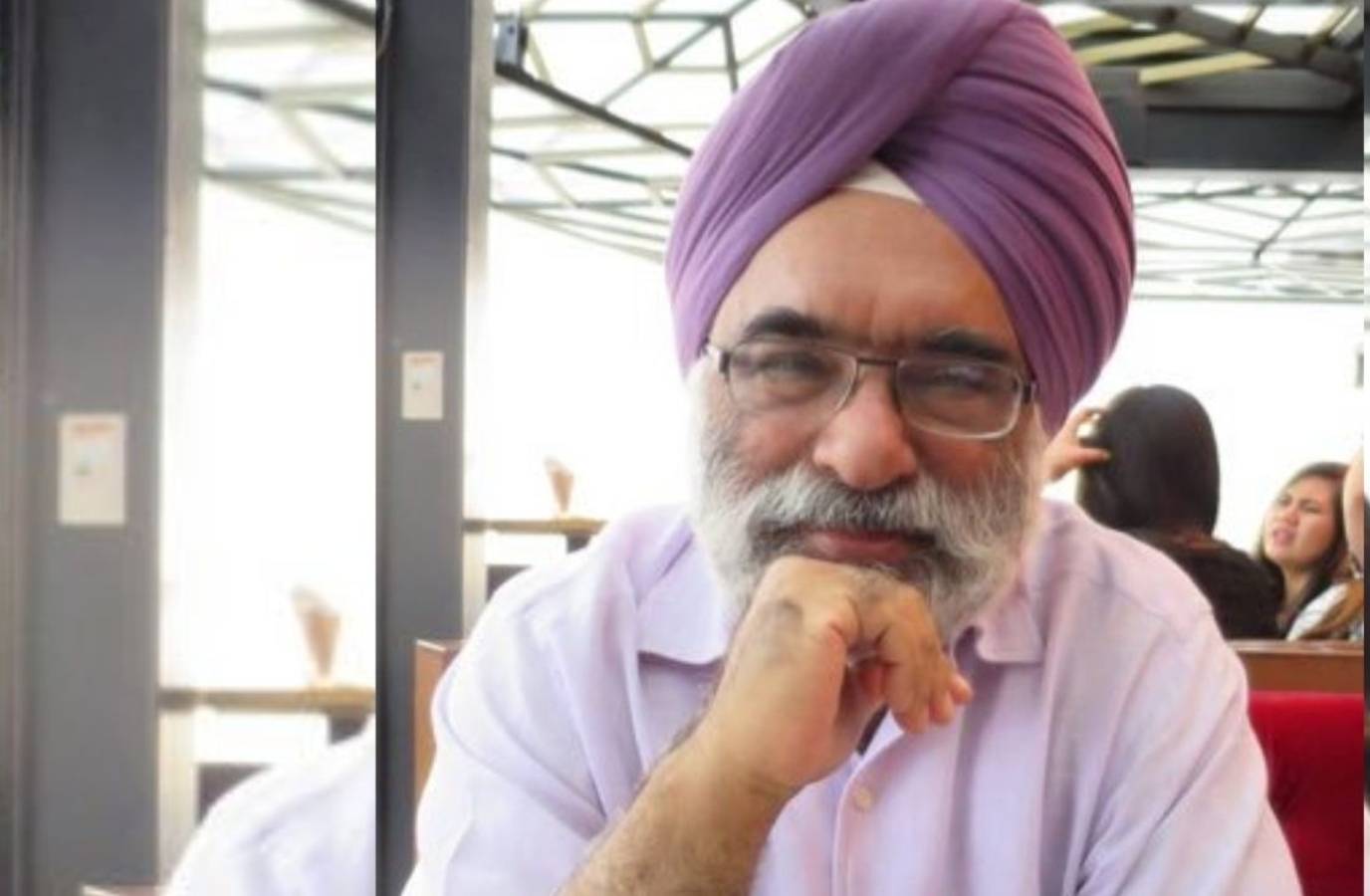
As tensions simmer in West Asia, a recent phone call between Donald Trump and Narendra Modi has drawn attention to India's evolving position in the crisis. Former diplomat Gurjit Singh believes the call reflects a clear intent by the US to keep India closely involved in ongoing developments.
According to Singh, the call shows that the US wants to consult India and keep it in the loop, taking into account India's significant role as the largest economy deeply impacted by the war. He suggests that India's engagement across the board is beginning to influence the broader diplomatic landscape.
However, mixed signals from Washington and Tehran have added another layer of uncertainty. Former Indian diplomat Suresh Goel pointed to contradictions in statements coming from both sides, questioning the clarity of any ongoing dialogue.
Despite diplomatic exchanges, developments around the Strait of Hormuz continue to carry strategic importance. Reports of Iran turning back a Pakistan-bound vessel have been seen by some as indicative of shifting dynamics in the region. Former diplomat Veena Sikri highlighted India's engagement with Iran in this context, saying that India has a very close relationship with Iran and has been allowed to pass through the Strait.
Iran has indicated that it is allowing passage for certain countries, including India, China, Russia, Iraq, and Pakistan. With diplomatic signals, conflicting narratives, and strategic maritime developments unfolding simultaneously, India's role appears to be gaining weight in a rapidly shifting geopolitical environment.