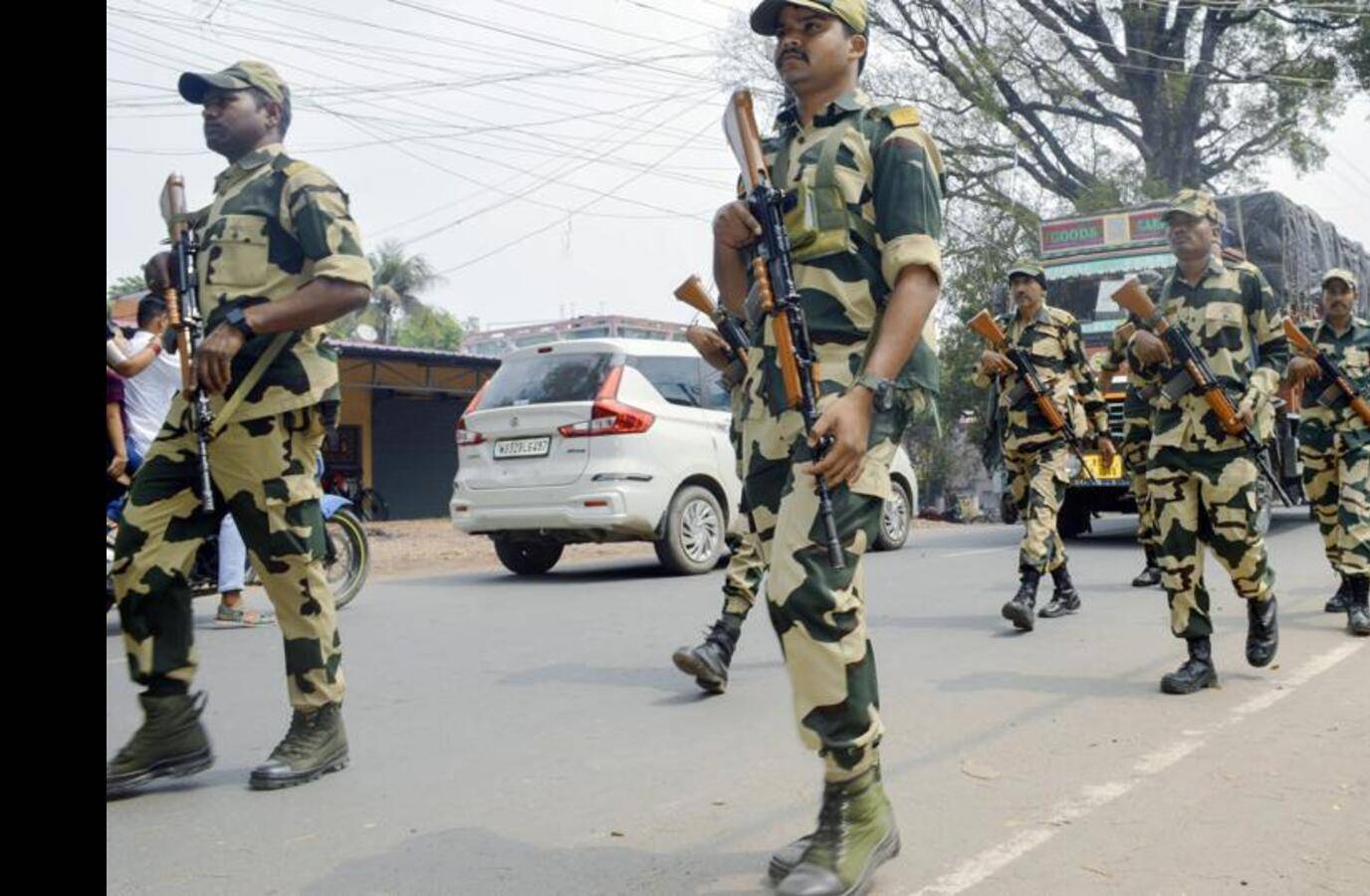
The Central Armed Police Forces (General Administration) Bill, 2026, has sparked a debate on the future of India's internal security architecture. At stake is not just the career progression of CAPF officers but the long-term design and resilience of the country's internal security system.
The debate must be examined through a wider institutional lens, considering the systemic consequences of structural changes on coordination, information flow, and crisis response.
India's internal security framework has evolved through continuous cross-institutional learning, with operational innovations developed in one context being adapted elsewhere to strengthen the system's overall capacity to respond to diverse challenges.
However, proposals advocating fully insulated leadership structures within individual forces risk encouraging long-term insularity, leading to reduced information exchange, limited interoperability, and a diminished capacity for coordinated action.
The CAPF (General Administration) Bill, 2026, addresses the grievances of CAPF officers while preserving the coordination mechanisms that underpin internal security, representing a landmark step in internal security reform.
A balanced reform approach would address career progression and service conditions within CAPFs, strengthen coordination across the internal security system, and preserve institutional linkages that enable integrated responses.
The real test of reform lies not only in addressing immediate concerns but in preserving the system's ability to function cohesively under pressure.