India's Right to Disconnect Bill: A Step Towards Work-Life Balance | Lok Sabha
The Right to Disconnect Bill, 2025 was introduced on the fifth day of Parliament's winter session which started on December 1.  | India News
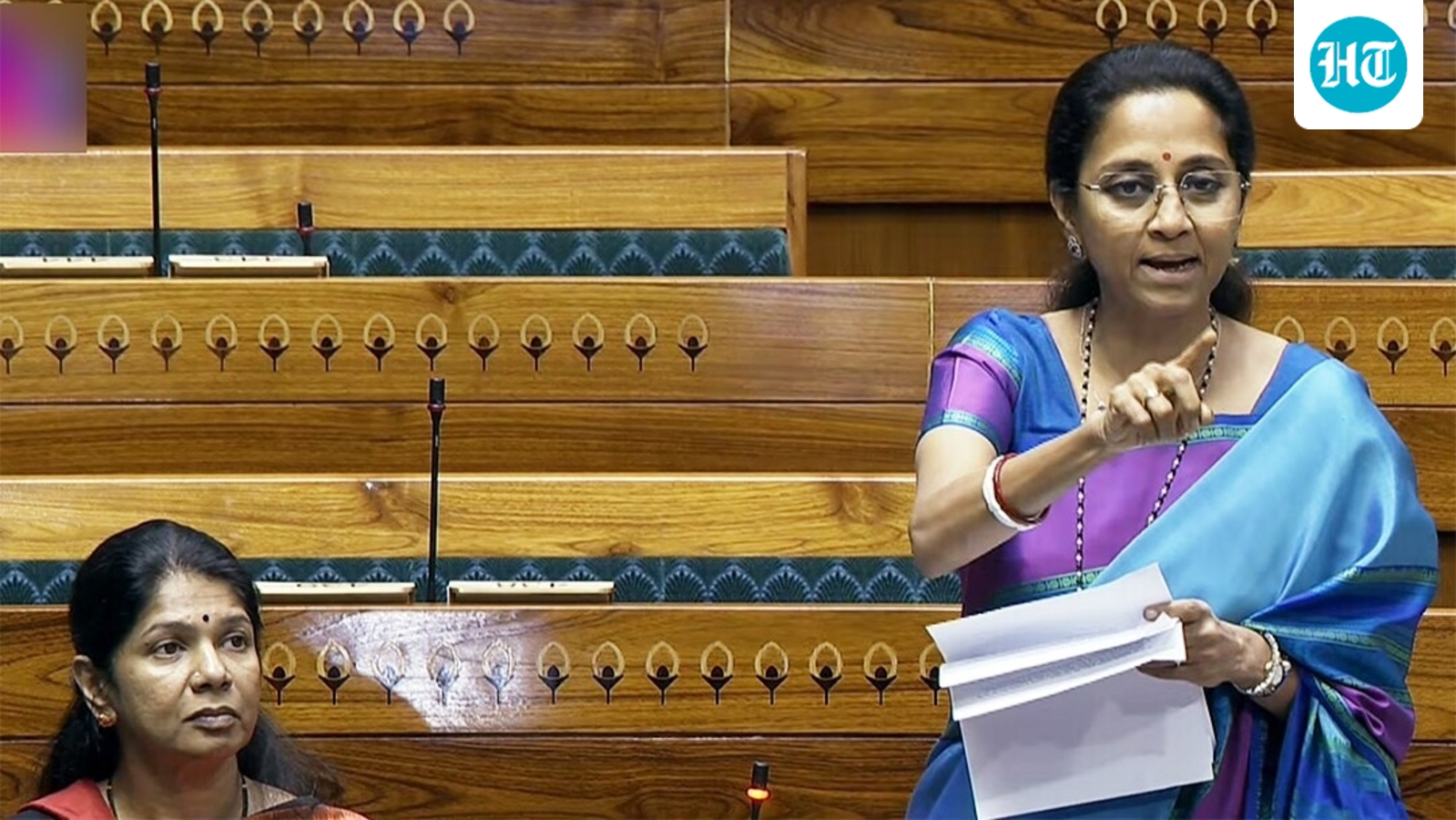
A landmark private member's bill, the Right to Disconnect Bill, 2025, has been introduced in the Lok Sabha by Supriya Sule, MP from the Nationalist Congress Party. The bill aims to establish an employees' welfare authority, protecting workers' rights to disconnect from work-related communication beyond office hours and on holidays. This move is seen as a step towards promoting a better quality of life, healthier work-life balance, and reducing burnout caused by the pressures of digital culture.
The bill proposes to confer the right on every employee to disconnect from work-related calls and emails beyond work hours and on holidays. Sule believes that this will foster a healthier work environment, reducing the risk of burnout and promoting overall well-being.
However, the bill's fate remains uncertain. As a private member's bill, it faces an uphill battle to become law. Historically, such bills have a low success rate, with the government often responding with a counter-proposal or withdrawal.
In a related development, Congress MP Shashi Tharoor has also introduced a private member's bill to address employee welfare. The bill seeks to limit working hours, secure the Right to Disconnect, and establish robust grievance and mental-health support systems to promote a healthier workforce.
The Indian workforce is under immense pressure, with 51% of employees clocking over 49 hours a week and 78% experiencing burnout. The Right to Disconnect Bill, 2025, and Tharoor's bill are crucial steps towards addressing this issue and creating a more sustainable work environment.