India's Rural Job Scheme Gets Overhaul to Boost Transparency and Efficiency
A senior government functionary said earlier the states found ways of not spending money on material costs. | India News
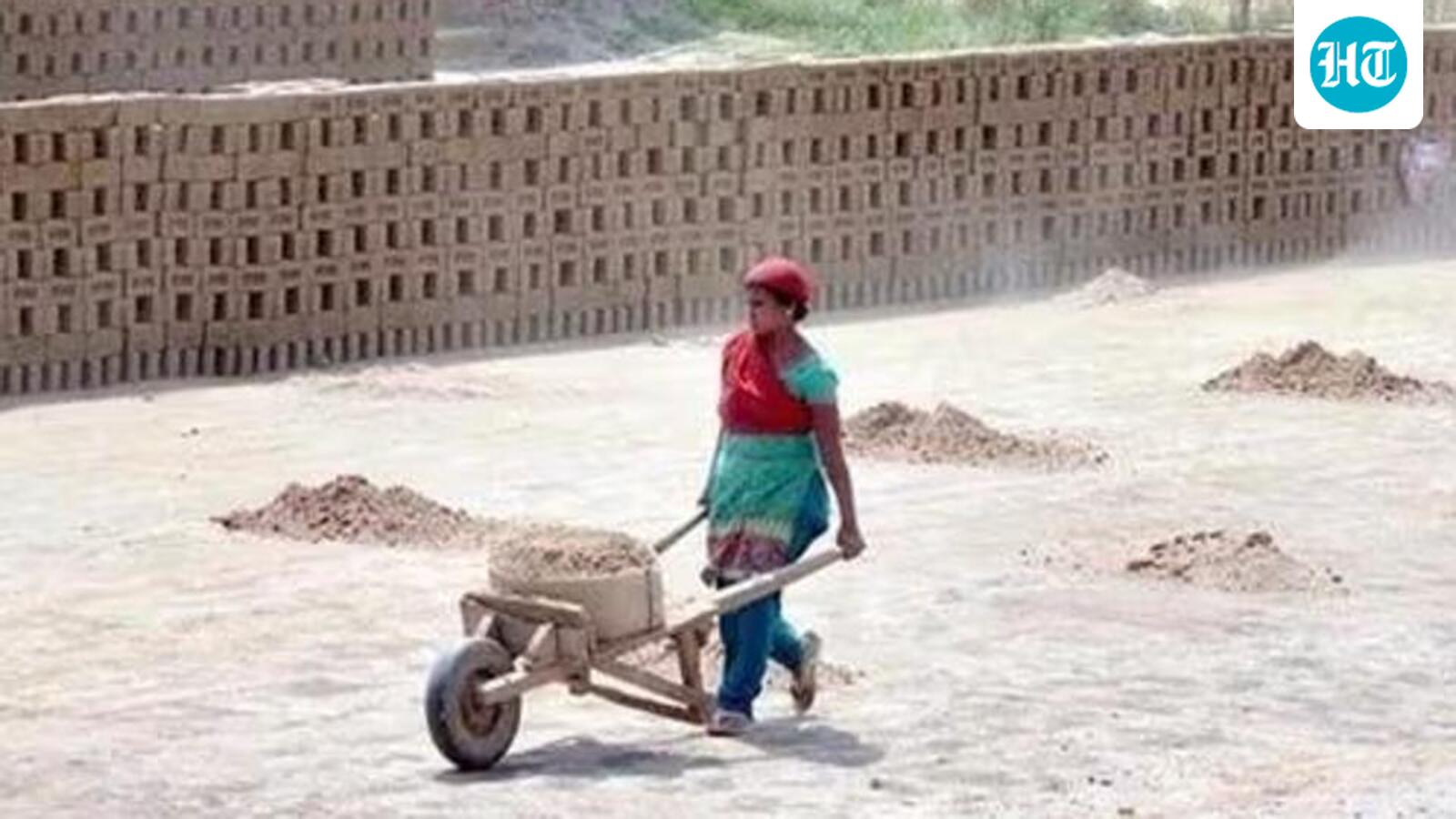
The Indian government has stated that the Viksit Bharat Guarantee for Rozgar and Ajeevika Mission (Gramin) Bill, 2025, aims to ensure effective utilization of funds and promote transparency in rural job scheme spending. The bill, which replaces the Mahatma Gandhi National Rural Employment Guarantee Act, 2005, has raised concerns among opposition parties and even government allies over funding patterns.
According to a senior government official, the previous system allowed states to allocate funds inefficiently, with a significant portion going towards administrative costs rather than actual development projects. The official emphasized the need for a more structured approach, particularly given the substantial increase in funding from ₹86,000 crore to ₹1.50 lakh crore.
The new bill empowers gram panchayats and sabhas to plan and execute projects based on local needs, rather than adhering to predetermined projects. The government will monitor these projects through the Gati Shakti platform to prevent duplication and misuse. The official also highlighted the importance of convergence with other schemes, such as those in agriculture, to ensure optimal use of funds.
The bill also introduces a grading system for panchayats based on their needs, which will be determined by NITI Aayog. This approach aims to address the issue of unequal distribution of funds and provide more attention to panchayats in remote areas. To combat corruption, the government has decided to continue biometric attendance and implement newer technologies like face recognition.
The official addressed concerns about the additional burden on states, stating that the bill will ensure accountability and transparency in spending. The government has also taken into consideration the needs of farmers during the peak agricultural season, allowing for a pause in work to prevent labor shortages and protect small and marginal farmers.