India's SIR Deletions: Unpacking the Mystery Behind Missing Voters
When Uttar Pradesh released its draft rolls after the enumeration phase of the SIR exercise on January 6 this asymmetry only became more stark| India News
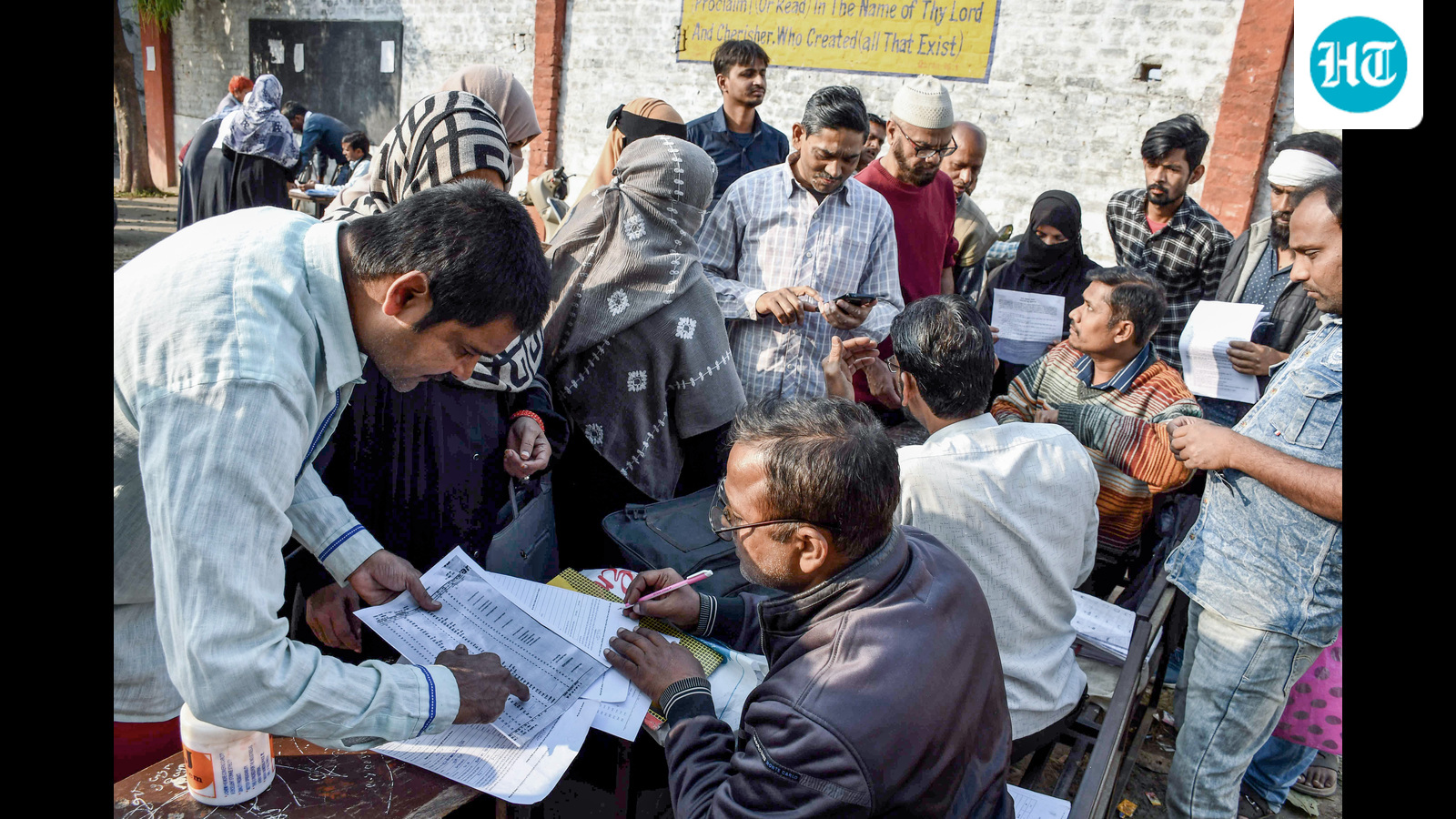
The Special Intensive Revision (SIR) exercise in India has been marred by controversy, with many questioning the deletion of 72.2 million voters from the electoral rolls. However, a closer analysis reveals a surprising trend: most of the deletions are likely due to double counting, where migrants are registered in multiple places. In Uttar Pradesh, the state with the highest deletion rate, 18.7% of voters were deleted, with some districts seeing as high as 30% of their voters removed.
A correlation analysis of SIR data from 226 districts shows a strong link between areas with high growth in electors and those with high deletion rates. This pattern holds true for most large states, except for West Bengal. The data suggests that migrants tend to move from less urban districts to more economically dynamic areas, resulting in duplicate registrations.
The lack of protests against the large-scale deletion of voters can be attributed to the fact that most of the deleted voters were likely registered in multiple places. This raises philosophical questions about the nature of Indian democracy and whether voters should cast their ballots in their place of birth or in areas where they work and live. The SIR exercise has highlighted the challenges posed by migration in India's political economy and has forced the country to confront the implications of this issue on electoral rolls and political accountability.