India's Tea Trademark Tussle: FSSAI Draws the Line on Herbal 'Teas'
In a notice, the Food Safety and Standards Authority of India (FSSAI) warned that labelling herbal or flower-based infusions as “tea” amounts to misbranding | India News
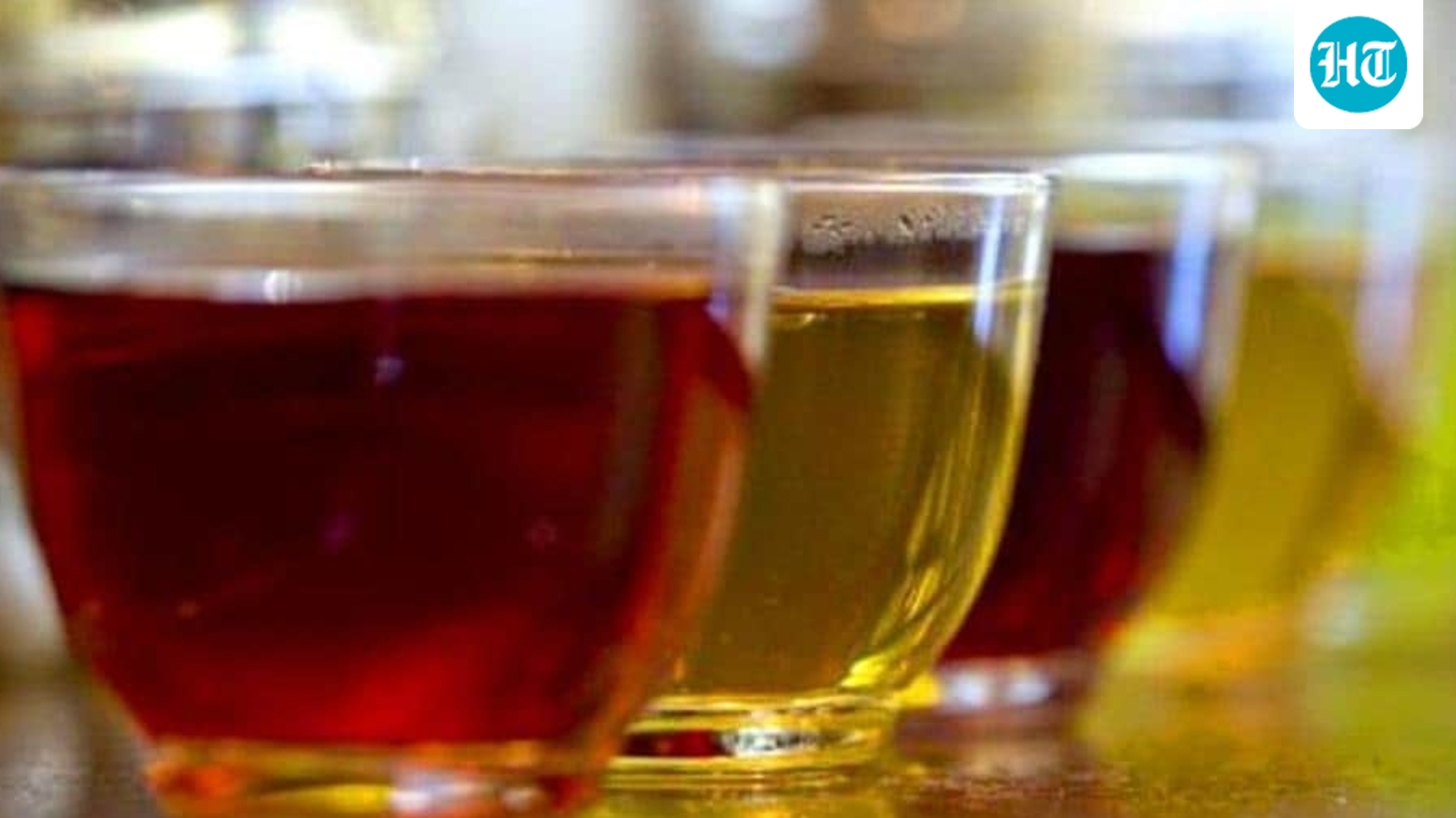
India's Food Safety and Standards Authority of India (FSSAI) has issued a directive to food companies, ordering them to stop using the term 'tea' for beverages not derived from the camellia sinensis plant. This move aims to align India's labeling standards with global botanical definitions, but it could impact the branding of the herbal wellness sector.
The FSSAI notice, dated December 24, warns that labeling herbal or flower-based infusions as 'tea' constitutes misbranding. This means that products like rooibos tea, herbal tea, and flower tea will no longer be allowed unless they contain leaves from the camellia sinensis plant.
The regulator cited food safety regulations, which require product labels to accurately reflect the 'true nature' of the food. Under the new rules, infusions made from chamomile, hibiscus, or peppermint must drop the 'tea' suffix.
The distinction between 'true tea' and herbal infusions is rooted in science. 'True tea' comes exclusively from the camellia sinensis plant, which contains caffeine and the amino acid L-theanine, giving it a unique chemical profile. The FSSAI has directed state food safety commissioners and regional directors to ensure strict enforcement, warning that non-compliant businesses will face action.
The directive affects not only food manufacturers but also e-commerce platforms. The FSSAI has instructed all food business operators to refrain from using the term 'tea' for products not derived from the camellia sinensis plant.