India-US Trade Deal: Venezuela's Oil Link Unpacked Amid Tense Relations
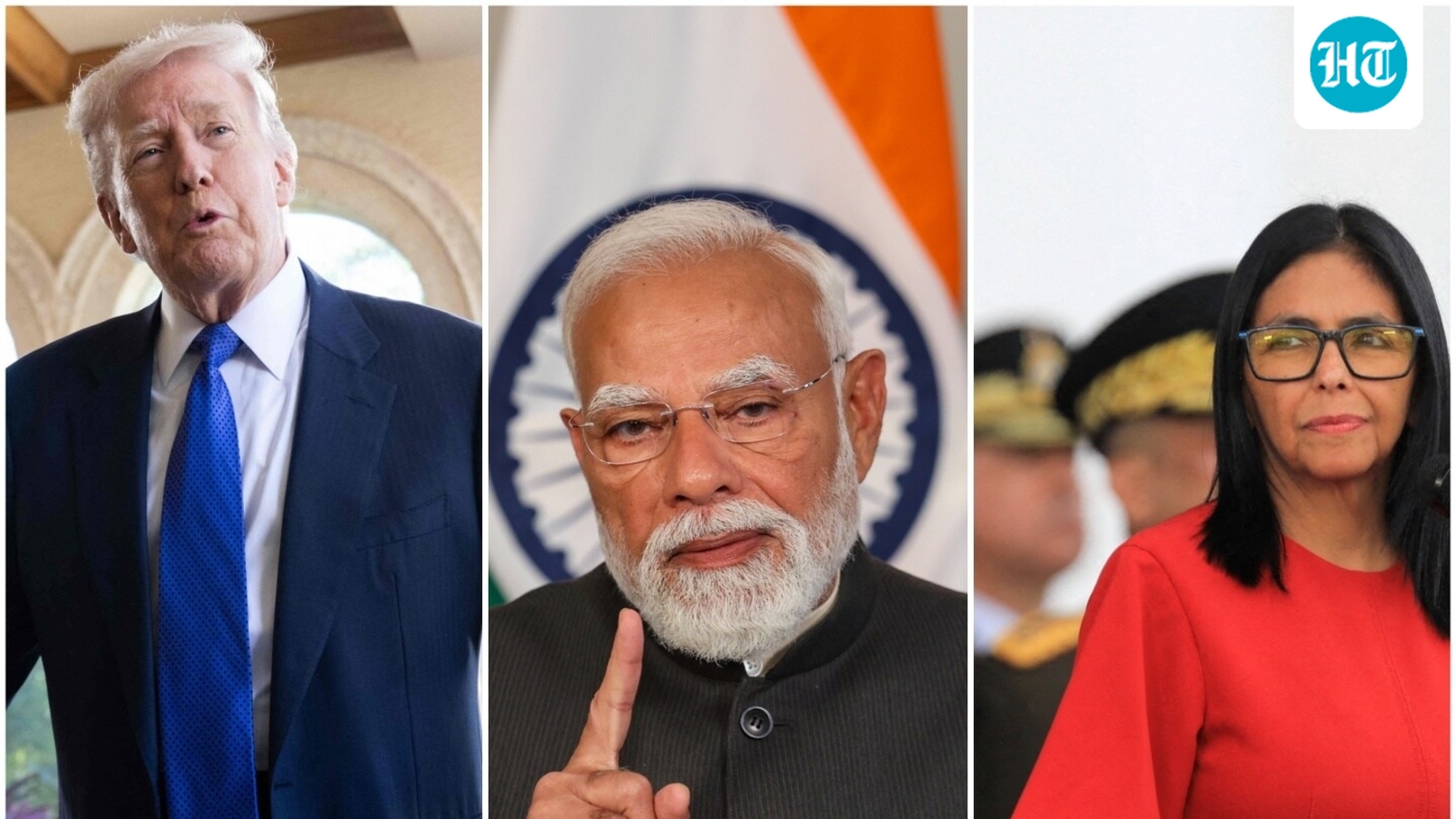
Image Source: Internet
A crucial diplomatic move by Prime Minister Narendra Modi in the form of a phone call with Venezuela's acting president Delcy Rodriguez has emerged as a key factor in the India-US trade deal announcement. This move comes amidst a tense year in ties with Washington, where tariff pressure was directly linked to India's purchase of Russian oil. In the past 12 months, India-US relations were strained due to steep American tariffs, repeated negotiations, and public disagreements over New Delhi's energy imports from Russia. US President Donald Trump repeatedly tied tariff relief to India reducing Russian crude purchases, urging the country to buy more oil from the US and potentially Venezuela. Against this backdrop, Modi's call with Rodriguez, focused on expanding cooperation in energy, trade, and investment, came at a crucial moment. The call was part of India's efforts to navigate the complex web of international relations and secure a favorable trade deal with the US. The India-US trade dispute escalated in 2025 when the US imposed tariffs that eventually took the total levy on Indian goods to 50%, including a 25% punitive component linked to Russian oil purchases. India remained one of the largest buyers of discounted Russian crude after the Ukraine war, with imports rising sharply in recent years. Trump repeatedly cited these imports as a sticking point in trade talks, and as recently as October 2025, he said Modi had indicated India would stop buying Russian oil, though no agreement followed then. However, the latest trade deal announcement suggests that India has agreed to stop buying Russian oil and replace those imports with supplies from the US and Venezuela. The breakthrough in trade talks came after a year of friction and frequent Modi-Trump calls, with both leaders announcing a concluded trade deal framework and tariff cut. Union minister Ashwini Vaishnaw described the pact as a 'win-win' agreement for both economies. The Venezuela factor is significant, as Trump explicitly named Venezuela, along with the US, as a potential replacement source for Indian crude imports. Venezuelan oil is broadly similar in grade to the heavier Russian crude processed by several Indian refineries, though analysts note supply constraints could limit full substitution. The timing of Modi's call with Rodriguez drew attention because Trump, in his trade deal post, explicitly named Venezuela as an alternative supplier. The move is being seen as a timely diplomatic step ahead of the trade reset, with energy diplomacy playing a central role in the turnaround in India-US trade ties.