Madras HC Slams Tamil Nadu Govt for Abusing Preventive Detention Laws, Warns of 'Disastrous Consequences'
The Madras High Court criticized Tamil Nadu's use of preventive detention laws, emphasizing personal liberty and warning against silencing dissent.| India News
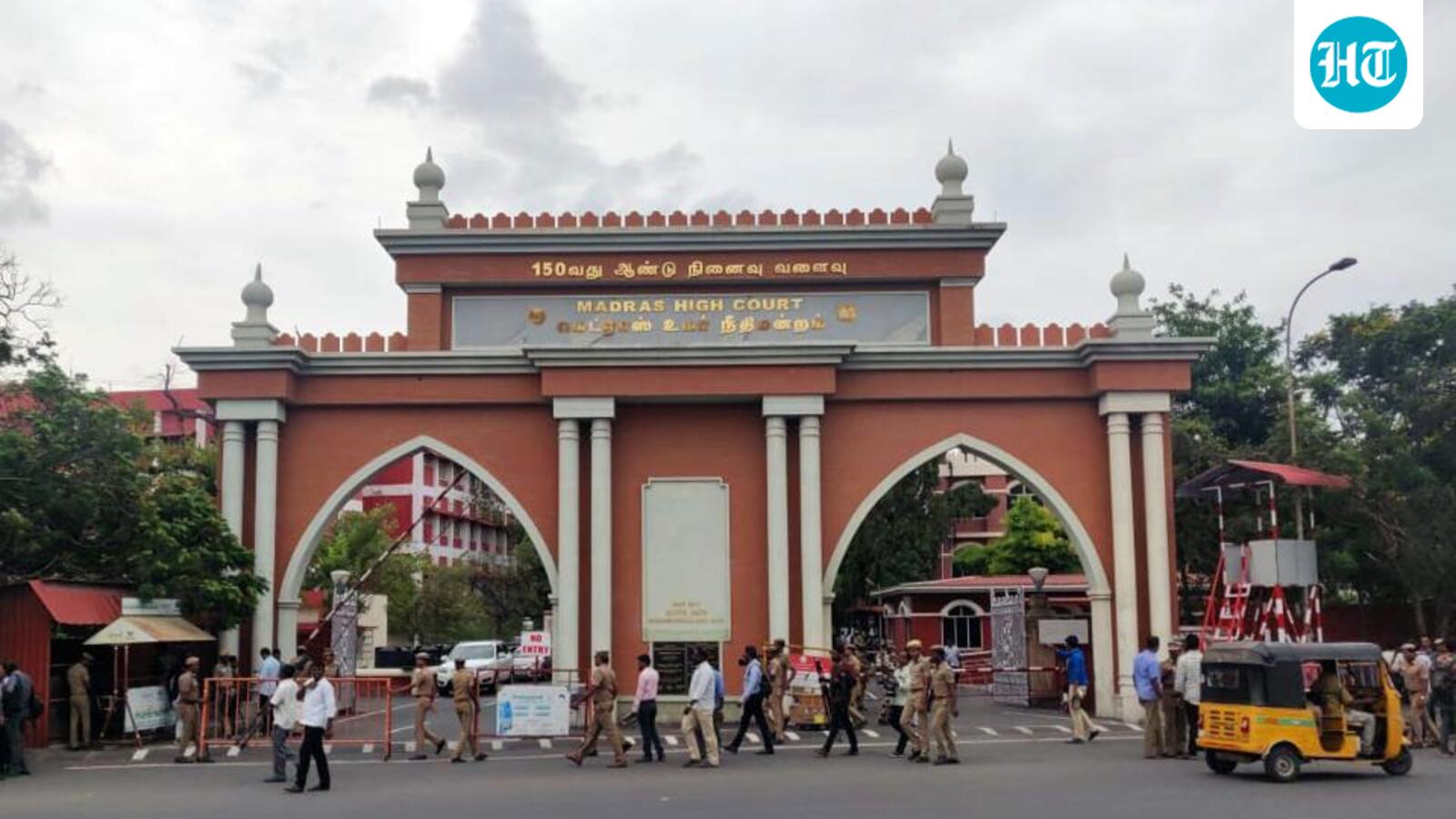
The Madras high court has taken a strong stance against the Tamil Nadu government's misuse of preventive detention laws, stressing that such powers cannot be used to silence dissenting voices or bypass ordinary criminal law. In a recent order, the court criticized the government for invoking the Goondas Act against citizens for "extraneous reasons" and warned that this could have severe consequences if left unchecked.
The court granted interim bail to YouTube investigative journalist Varaki, who was detained as a "sexual offender" under the Tamil Nadu Prevention of Dangerous Activities Act. The bench of justices SM Subramaniam and P Dhanabal held that there were no sufficient grounds to detain Varaki and directed the State to file its counter-affidavit within 12 weeks.
The court also flagged a "growing tendency" among State police officers to invoke the Goondas Act mechanically to prolong the incarceration of accused persons. This, the court said, would lead to the erosion of the right to personal liberty, a fundamental right guaranteed under the Constitution.
Preventive detention laws, the court emphasized, are draconian and should not be used to silence dissenting voices or settle political scores. The court also examined the scope of "public order," highlighting that not every breach of law and order qualifies as a threat to public order. Acts that affect only private individuals cannot justify detention unless they disturb the community at large.
The court expressed concern over the manner in which habeas corpus petitions often lose their efficacy due to repeated adjournments sought by the State. This, the court said, results in constitutional remedies being "frustrated and meaningless," allowing illegal detention to continue unchecked.
The Madras high court's warning comes as a blow to the Tamil Nadu government, which has been accused of misusing preventive detention laws to silence journalists and social media commentators. The court emphasized that filing "criminal case after criminal case" and invoking Act 14 of 1982 against such individuals directly infringes freedom of speech under Article 19(1)(a) of the Constitution.