
Renowned Conservationist Madhav Gadgil Leaves Lasting Impact on India's Environmental Legacy
Gadgil also held a keen interest in linguistic and cultural diversity and was awarded the Padma Shri in 1981 and the Padma Bhushan in 2006| India News
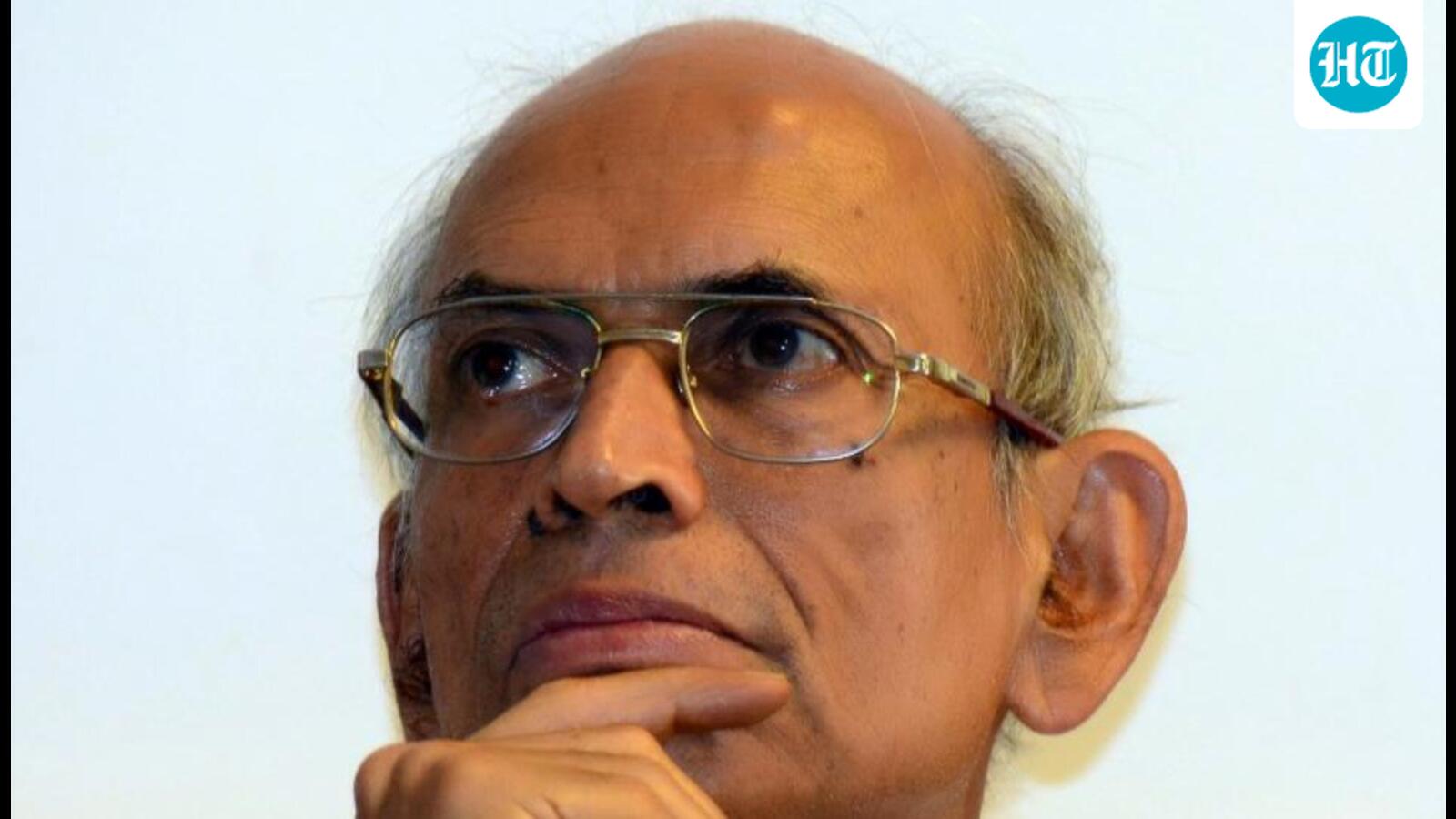
Renowned ecologist and conservationist Madhav Gadgil, known for his pioneering work in protecting India's Western Ghats, has passed away at the age of 83 due to a brief illness. Gadgil, who was a columnist for this newspaper and a champion of community-driven conservation, made significant contributions to the field of ecology and environmental science.
Gadgil's seminal report on the Western Ghats in 2011 highlighted the need to protect the region's fragile ecosystem and warned against the devastating effects of environmental degradation. His bottom-up approach to conservation prioritised the rights and interests of marginalised communities, recognizing their critical role in preserving India's natural heritage.
Throughout his illustrious career, Gadgil held various positions, including chairing the Western Ghats Ecology Expert Panel, which recommended that 75% of the Western Ghats be declared environmentally sensitive. Although his recommendations were not fully implemented, they served as a catalyst for ongoing conservation efforts in the region.
Gadgil's work extended beyond the Western Ghats, as he was a vocal advocate for sustainable development and environmental protection. He repeatedly spoke out against unregulated mining and construction on steep slopes, which he believed would exacerbate natural disasters such as landslides and floods.
A prolific writer and researcher, Gadgil published numerous books and scientific papers that promoted community-driven conservation and influenced policymaking at the highest level. His legacy continues to shape grassroots environmentalism in India, emphasizing the importance of placing marginalised communities at the heart of conservation efforts.
As the United Nations Environment Programme (UNEP) recognised Gadgil as one of the six 'Champions of the Earth' for 2024, his dedication to environmental protection and community-driven conservation has left an indelible mark on India's ecological landscape. His passing is a significant loss, but his work and legacy will continue to inspire future generations of environmentalists and conservationists.