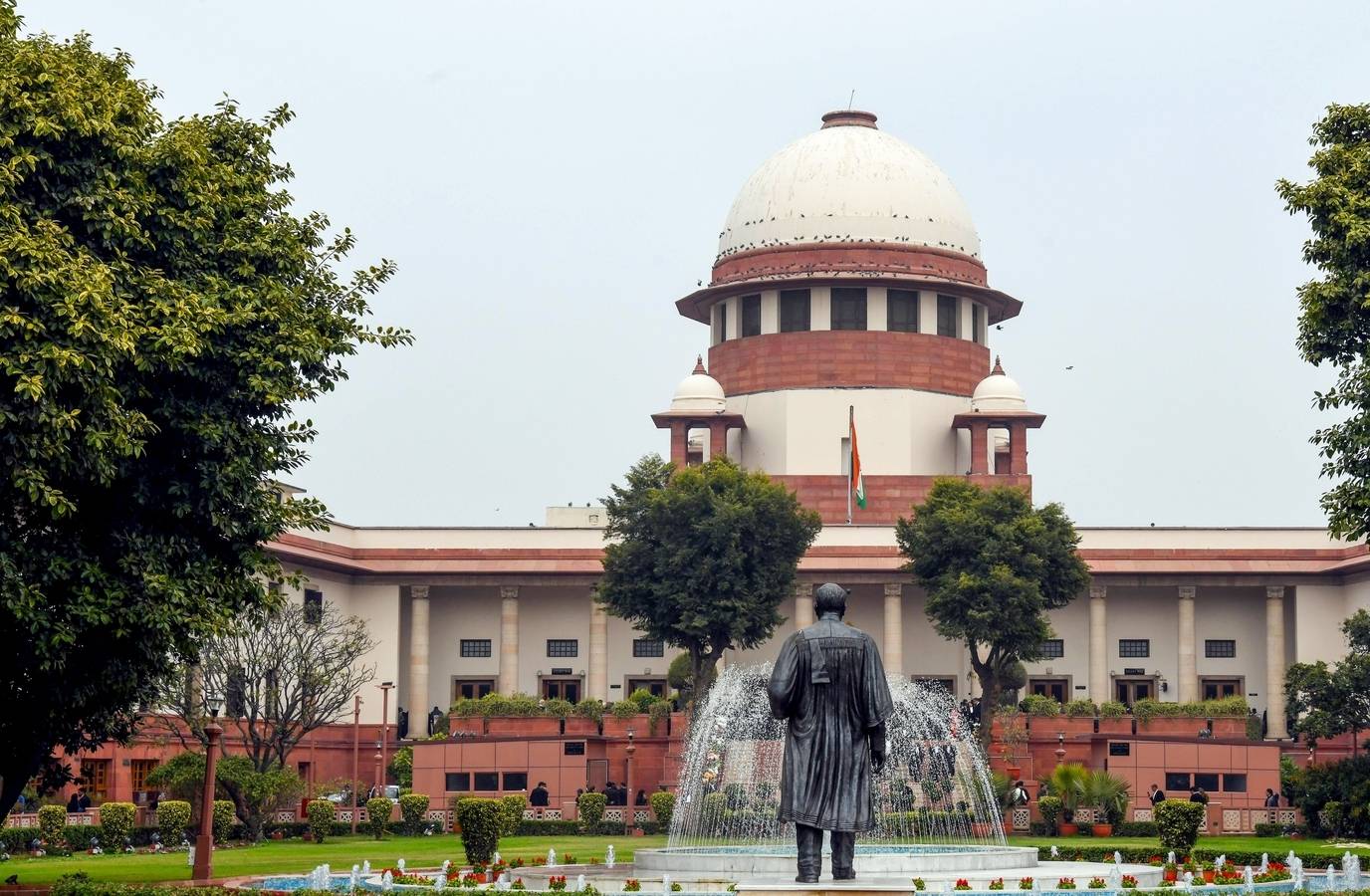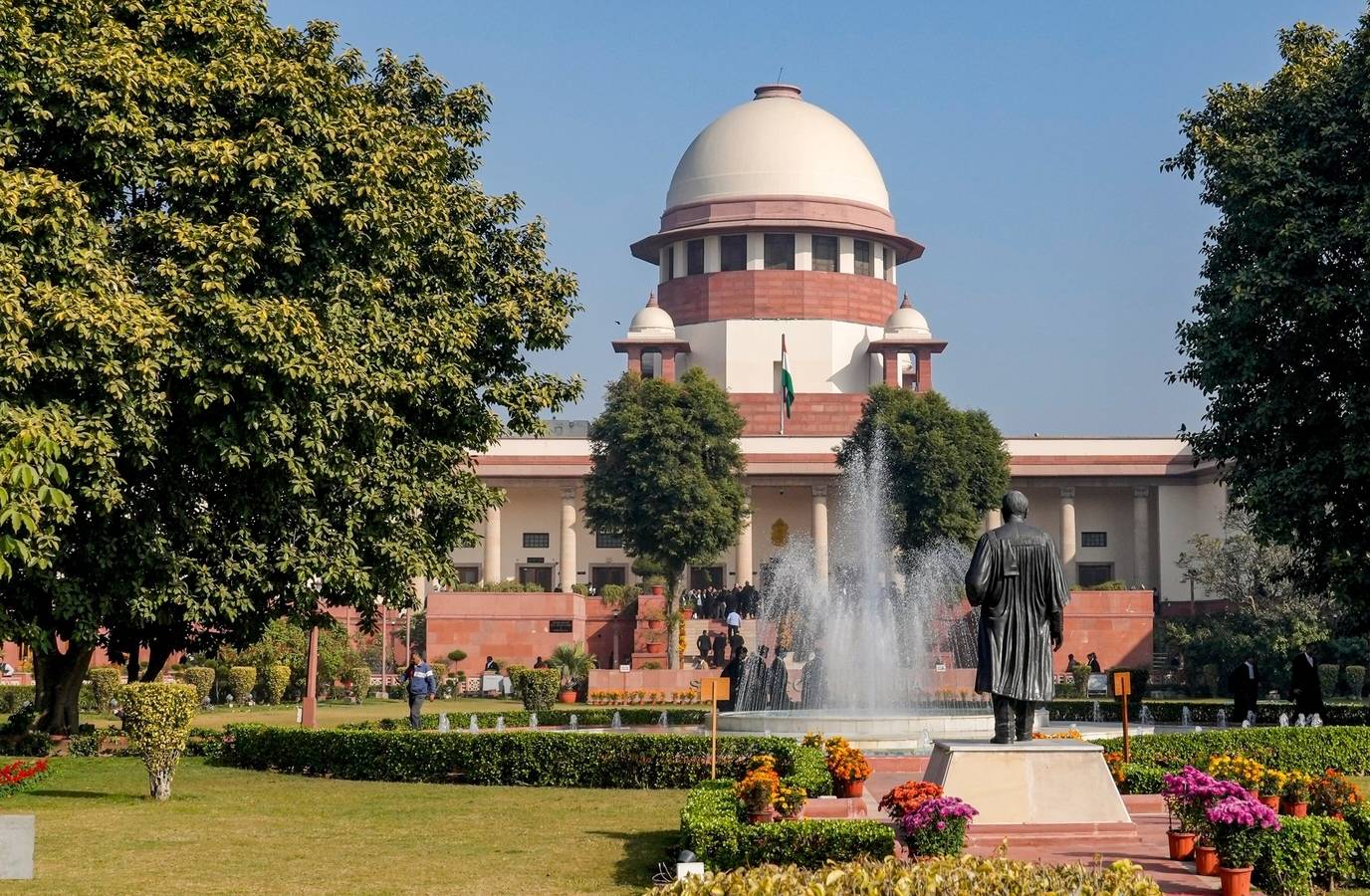
The Supreme Court has urged the Union government to introduce a comprehensive framework for paternity leave, calling it an essential component of social welfare and gender equality.
A bench of justices JB Pardiwala and R Mahadevan reflected on the 'deeply rooted' but often invisible imbalance in parenting roles, where caregiving has historically been seen as the mother's domain, while fathers remain confined to the role of financial providers.
The court noted that this imbalance is not always deliberate, but stems from long-standing social assumptions that have come to be accepted as the 'natural order,' leaving fathers at the margins of early childcare and depriving them of the opportunity to participate meaningfully in the formative stages of a child's life.
The bench underscored that parenthood is inherently a shared responsibility and that the early months and years of a child's life are critical for emotional bonding, attachment, and psychological development.
The court observed that while fathers may remain physically present, the lack of institutional support in the form of leave often keeps them disengaged from everyday caregiving, reinforcing traditional gender roles and placing a disproportionate burden on mothers.
The bench further highlighted that the absence of paternity leave produces a dual consequence -- it entrenches gendered expectations within the family, and at the same time, denies willing fathers the opportunity to contribute to caregiving in a substantive way.
The court concluded on a reflective note, observing that a child does not understand the legal or institutional reasons behind a parent's absence, but experiences only the presence or absence of care and closeness.