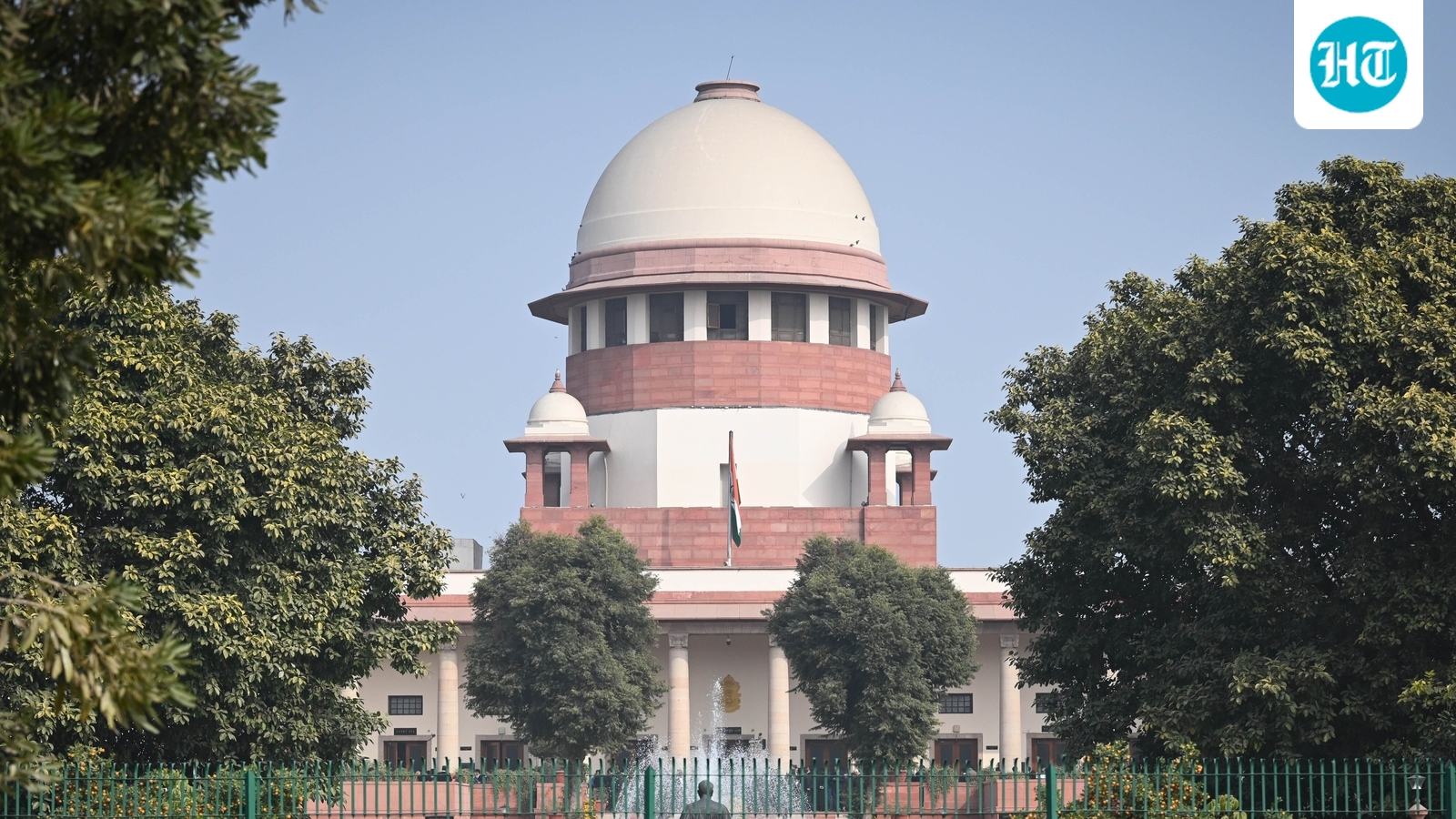
SC Slams BCI Over Rajasthan Bar Polls, Judges' Honorarium Payment
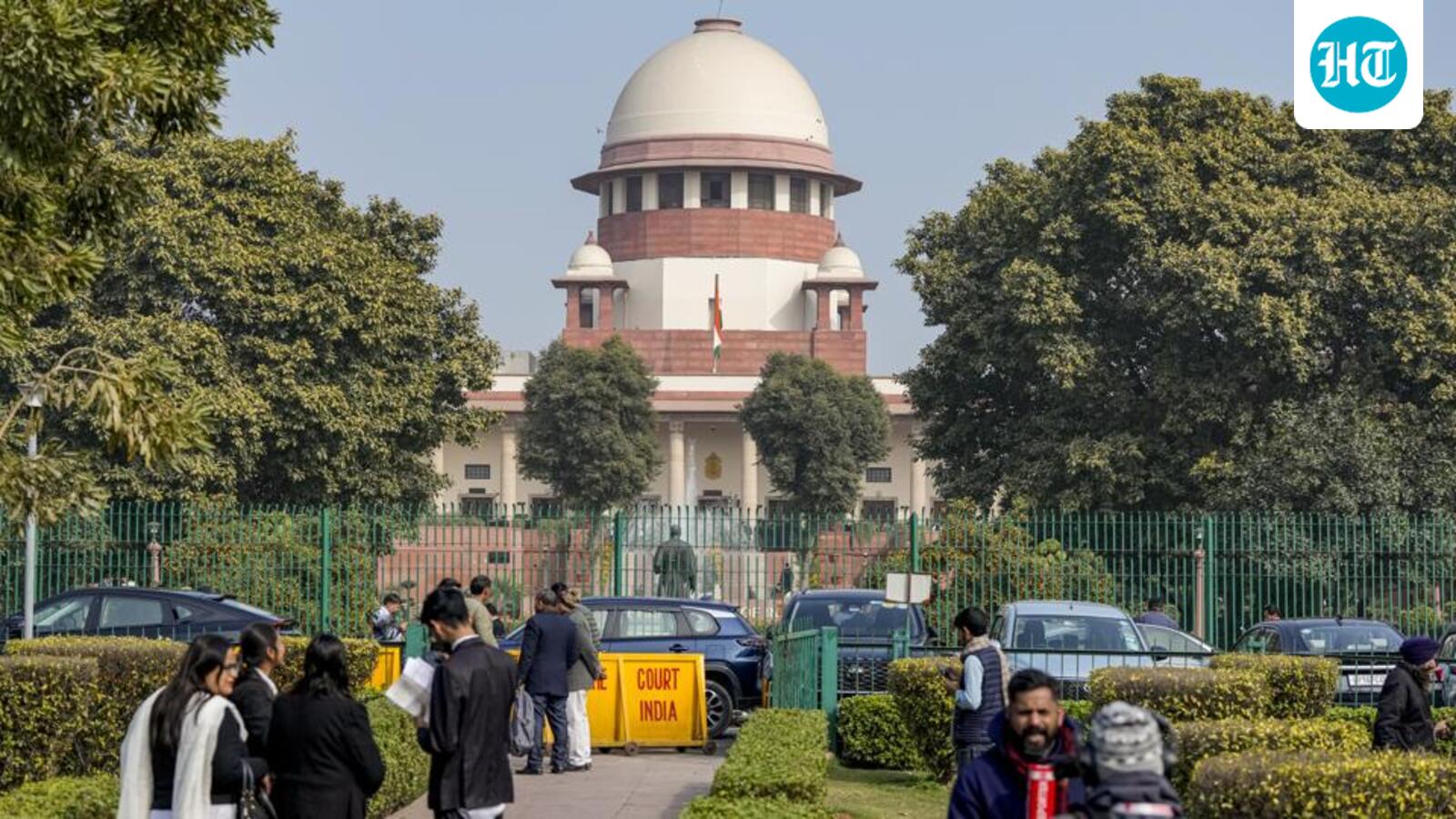
Image Source: Internet
The Supreme Court on Tuesday expressed strong disapproval of the Bar Council of India (BCI) for setting up a parallel committee to conduct elections for the Rajasthan State Bar Council, in addition to failing to provide adequate compensation and logistical support to retired high court judges appointed to oversee bar council elections across states. The court, led by Chief Justice Surya Kant, took issue with the BCI's decision to tell the judges that they do not have enough funds to pay their honorarium, despite the court's orders to conduct bar council elections. The judges are reportedly being forced to make their own travel arrangements and cover their own expenses. Senior advocate V Giri, representing the Supreme Court-appointed election committee, brought the issue to the court's attention, pointing out that the BCI's actions are contrary to the Supreme Court's orders. The BCI had argued that it was justified in setting up a parallel committee for Rajasthan because the state was not specifically mentioned in the Supreme Court's November 18 order. The court directed the BCI to explain why it did not inform the court about the development and warned the BCI to understand its powers. The bench also highlighted the contradiction in the BCI's stand, pointing out that it had fixed election fees to generate funds for conducting elections, but was now telling judges that it did not have enough funds to pay their honorarium. The BCI's counsel sought time to respond, and the matter was listed for Wednesday. The Supreme Court had directed bar council elections in states where they were due on September 24 last year and constituted High Powered Election Committees to monitor each state bar council election. The court's sharp criticism came on the heels of a letter from BCI chairperson Manan Kumar Mishra to Chief Justice Kant, criticizing oral observations made by a single judge of the Kerala High Court. The letter described the remarks as baseless and reckless, stating that they disturbed the constitutional balance between the Bar and the Bench. The letter also highlighted the heavy financial burden borne by the BCI in conducting elections, which is entirely funded by the legal fraternity without any government or external assistance. However, the court's response on Tuesday highlighted the BCI's failure to provide adequate compensation to judges appointed to oversee bar council elections.