Supreme Court Cracks Down on Highway Dhabas: Pan-India Guidelines to Prevent Accidents
The court also sought to know about the action taken so far, which authority is responsible for initiating it and which bodies are not implementing provisions. | India News
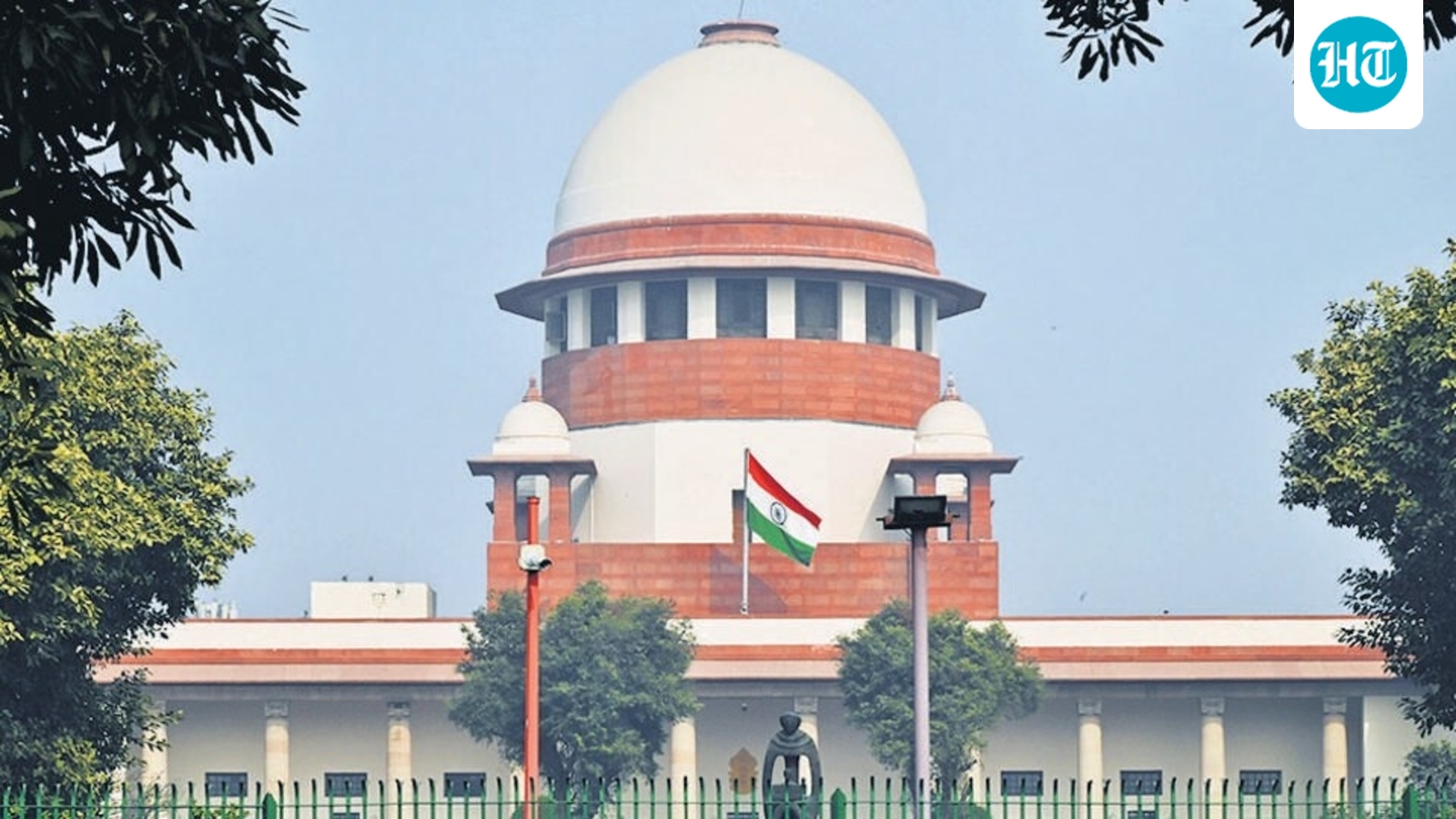
The Supreme Court has taken a stern stance against highway dhabas, flagging them as a major contributor to road accidents on expressways and national highways. The court has decided to formulate pan-India guidelines to tackle the issue, following a recent incident in Rajasthan's Phalodi that claimed 15 lives.
A bench of Justices J K Maheswari and Vijay Bishnoi pointed out that the construction of unauthorized dhabas on both sides of national highways and expressways poses a significant risk to road safety. They have asked the Solicitor General, Tushar Mehta, representing the National Highways Authority of India (NHAI), to submit the relevant rules and regulations for taking action against these eateries.
The court also sought information on the actions taken so far, the authority responsible for initiating them, and which bodies are not implementing the provisions. In the meantime, the parties have been allowed to exchange Google images to help resolve the issue.
Mehta explained that while the NHAI has the power to remove illegal dhabas, there has been a general delegation to the local district magistrate, who is responsible for overseeing the local police and other authorities. The court wants to find a solution to this issue.
The bench acknowledged that service roads exist on some expressways and national highways but pointed out that this is not the case for every highway. They also highlighted that most accidents take place near unauthorized dhabas and small eateries that come up between these service roads.
The NHAI's report attributes the encroachments to local contractors or the administration, but the court wants to know which authority under the law is responsible for overseeing that these eateries do not come up. The bench aims to formulate guidelines to fill in the gaps in the existing provisions and ensure their implementation to prevent similar accidents.
The court's decision comes after advocate Pranav Sachdeva, appearing on behalf of an intervenor, pointed out that the top court has already dealt with these issues and given certain directions that were not implemented. He also highlighted that highways in Goa often pass through villages or medical colleges, leading to road accidents.
The court has sought responses from the NHAI and the Ministry of Road Transport and Highways in a suo-motu case in connection with the Phalodi accident. It has also asked for a survey of the area to be conducted and a report filed on the number of dhabas on the highway passing through Phalodi.