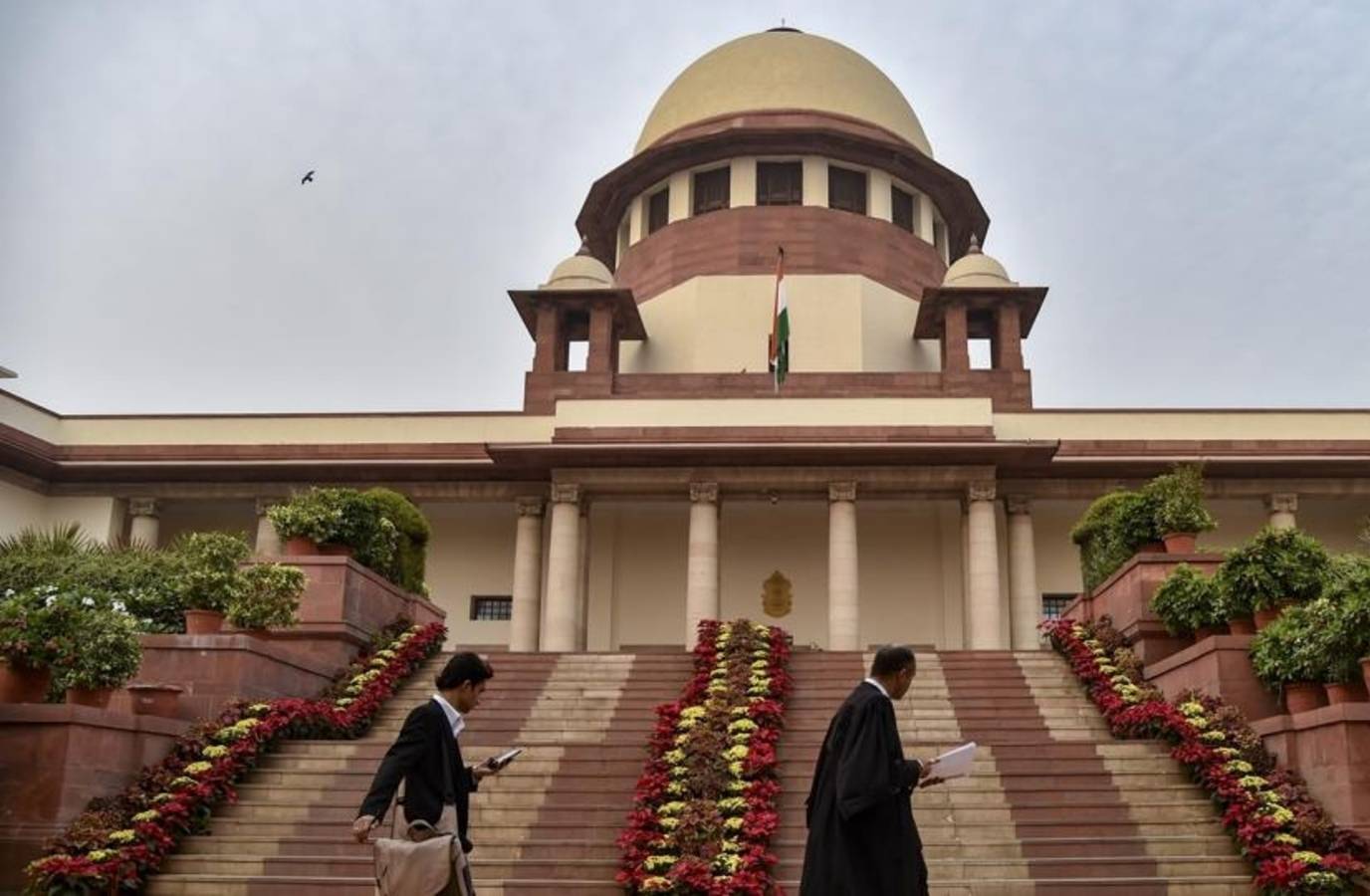
The Supreme Court of India has indicated that it may not be feasible or desirable to lay down uniform guidelines on resolving faith and rights disputes, emphasizing a case-by-case approach.
The observation came during the seventh day of hearing before a nine-judge constitution bench examining the Sabarimala Temple entry issue, which has raised larger constitutional questions on religious freedom and the State's power to enact social reform.
The bench engaged in an exchange on how courts should navigate the delicate balance between individual rights under the Constitution and denominational autonomy and religious rights under Articles 25 and 26.
CJI Kant underlined the limitations of judicial rule-making in this domain, while acknowledging the State's role in addressing social evils.
The court appeared to grapple with where to draw the line between legitimate reform and impermissible intrusion, with some judges expressing discomfort with courts assuming the role of theological arbiters.
The hearing also revisited the 'essential religious practices' doctrine, with the bench reflecting on its continued relevance and complexities involved in adjudicating competing claims within a religion.
The nine-judge bench is expected to further delineate the contours of State intervention in religious practices, a question that sits at the heart of several ongoing disputes beyond Sabarimala.