Supreme Court Takes Control of Shani Temple, Appoints New Administrator Amid Controversy
A bench headed by Chief Justice of India (CJI) Surya Kant stayed the December 12 order of the high court | India News
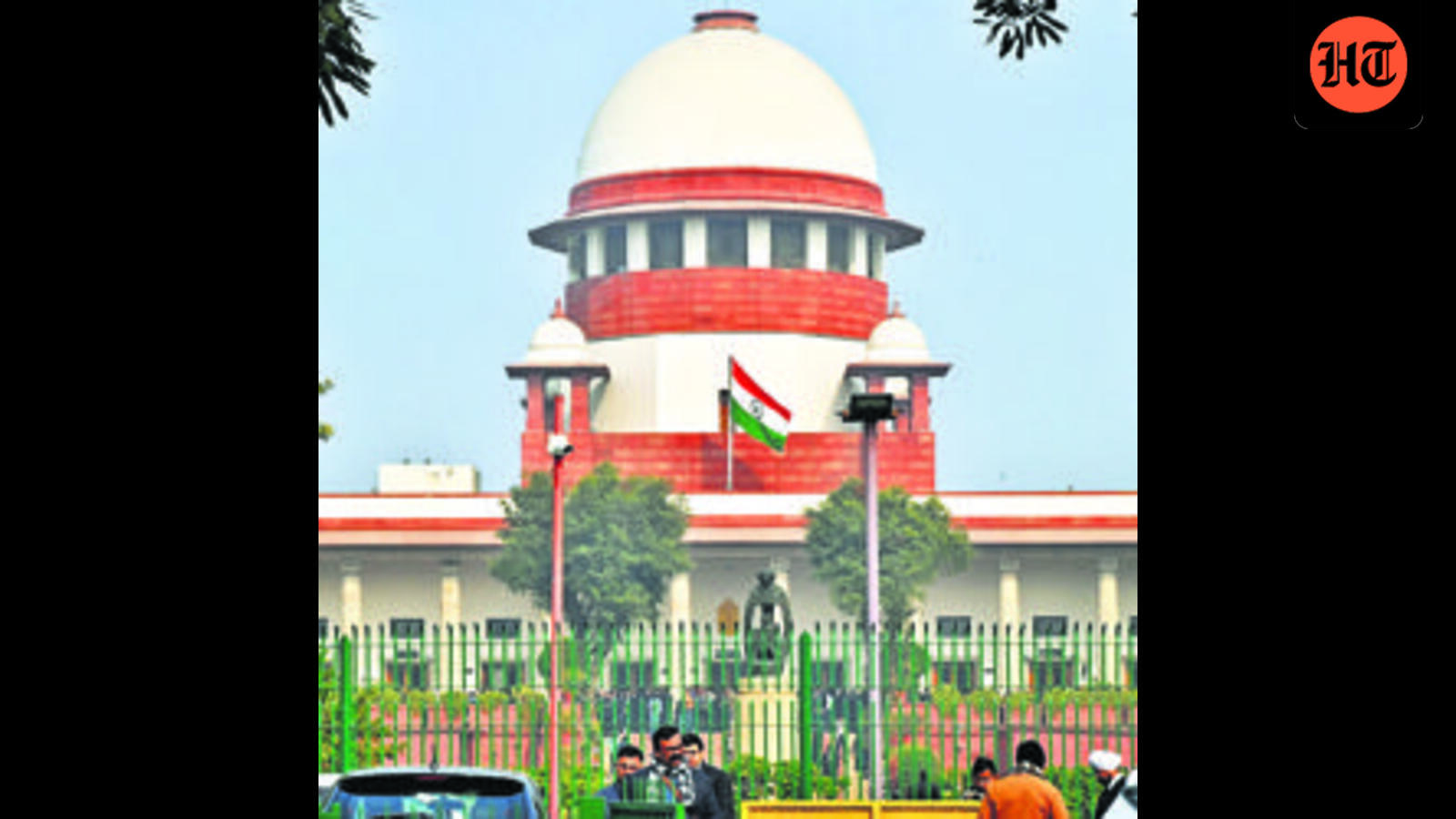
In a move to safeguard millions of rupees in temple coffers, the Supreme Court has temporarily taken control of the Shingnapur Shree Shanaishwar Devasthan temple in Maharashtra. The court has stayed a recent Bombay High Court order that had allowed the temple trust to regain control.
The Supreme Court's decision comes as a relief to the Maharashtra government, which had expressed concerns over the trust's management of the temple. The court has appointed the Divisional Commissioner of Nasik division as the new administrator, replacing the district collector who had been put in charge by the state government.
The Supreme Court's bench, headed by Chief Justice Surya Kant, expressed concerns over the collector's conduct, stating that he seemed to be under the influence of the trustees. The court also noted that the collector had handed over the temple's properties to the trust within a day of the High Court's order, without giving the state any breathing time to file an appeal.
The trust, represented by advocates Pradnya Talekar and Pulkit Agarwal, had opposed the state's takeover of the temple management, citing the Shree Shanaishwar Devasthan Trust (Shingnapur) Act, 2018. However, the state had argued that the Act was brought to address concerns over the management of the temple and the handling of substantial public donations.
The court has allowed the trust to file its response within two weeks and has posted the matter for further hearing in the third week of January. The High Court's order had struck down the state's appointment of an administrator and directed the collector to hand over the temple's properties to the erstwhile trust.
The Supreme Court's move is seen as a significant development in the ongoing controversy surrounding the temple's management. The court's decision to appoint a new administrator and stay the High Court's order has given the state a temporary reprieve, but the matter is likely to continue in the courts for some time.