Supreme Court to Interject in Aravalli Hills Controversy: 5 Key Facts to Know
The case has been registered as In Re: Definition of Aravalli Hills and Ranges and Ancillary Issues. | India News
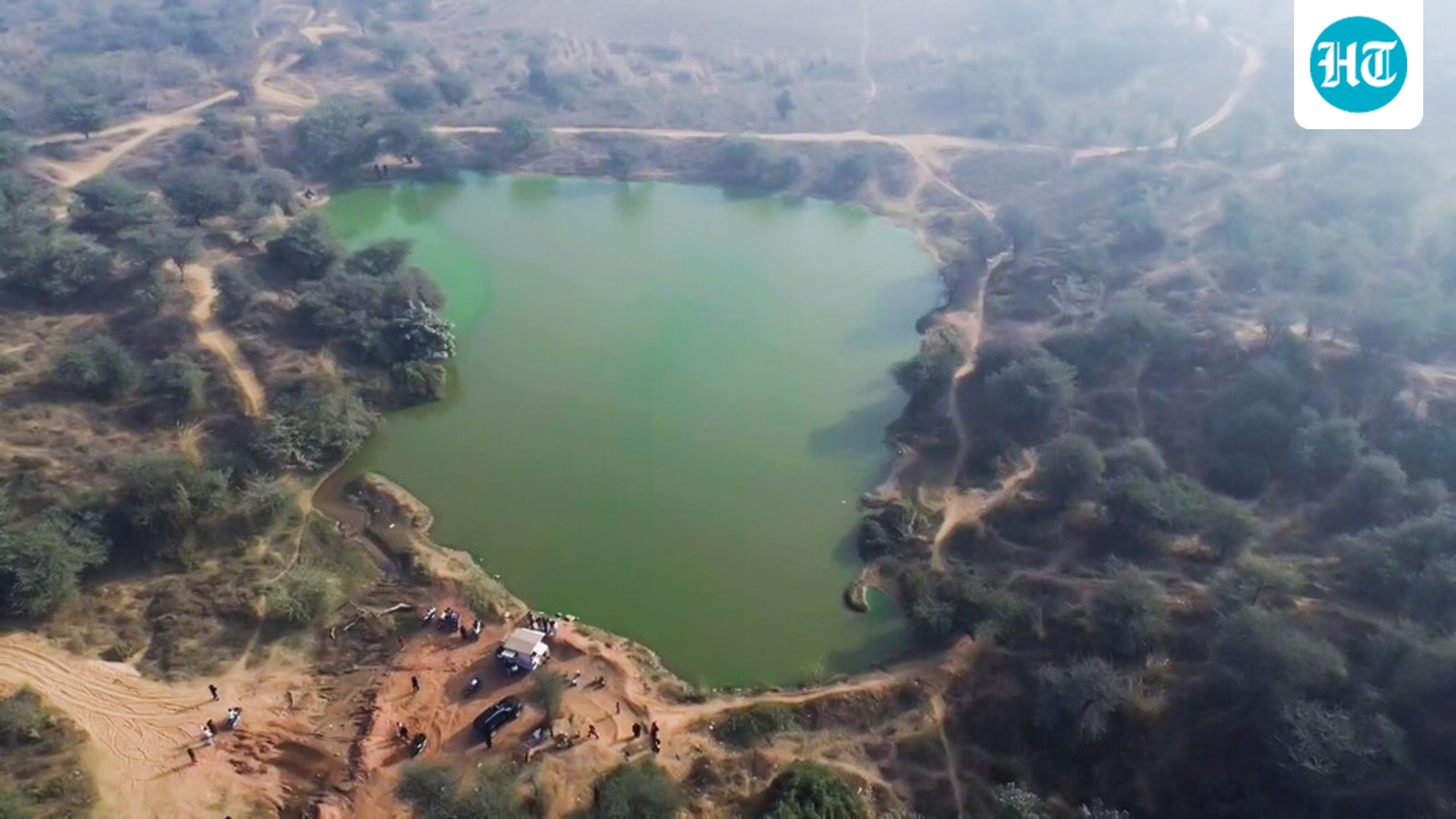
The Supreme Court of India has taken notice of the contentious Aravalli hills definition controversy and will hear the case on Monday. A three-judge vacation bench, led by Chief Justice Surya Kant, will examine the issue.
The cause of the controversy lies in the Supreme Court's November 20 decision, where it approved a uniform definition of the Aravalli hills and ranges, effectively banning fresh mining leases across Delhi, Haryana, Rajasthan, and Gujarat until expert reports are finalized.
According to the approved definition, an 'Aravalli Hill' is any landform in designated districts rising at least 100 meters above local relief. An 'Aravalli Range' consists of two or more such hills within 500 meters of each other, including the intervening landforms and features.
The court's decision was based on a 29-page judgment in a suo motu matter linked to the TN Godavarman Thirumulpad environmental litigation. The ruling imposed a ban on mining in core or inviolate areas, while allowing limited exceptions as outlined by the committee.
The court emphasized the importance of the Aravallis as a 'green barrier' against desertification and biodiversity loss. It directed that no new mining leases be granted until a management plan for sustainable mining is finalized by the Ministry of Environment, Forest and Climate Change through the Indian Council of Forestry Research and Education.
The five key facts to note in this case are:
1. The Supreme Court has accepted a uniform, scientific definition of the Aravalli hills and ranges.
2. A ban on fresh mining leases has been imposed across Delhi, Haryana, Rajasthan, and Gujarat until expert reports are finalized.
3. The court has approved the recommendations of a committee constituted by the Ministry of Environment, Forest and Climate Change to protect the Aravallis.
4. The definition of an 'Aravalli Hill' is any landform in designated districts rising at least 100 meters above local relief.
5. No new mining leases will be granted until a management plan for sustainable mining is finalized by the Ministry of Environment, Forest and Climate Change.