Supreme Court Upholds Judicial Independence, Rebukes 'Fear-Based' Disciplinary Proceedings
The Supreme Court on Monday held that in a democracy, fear cannot take precedence over a judge’s discretion in deciding cases as it reversed the order dismissing a Madhya Pradesh district judge on the allegation that he wrongly exercised his discretion in granting bail in excise cases| India News
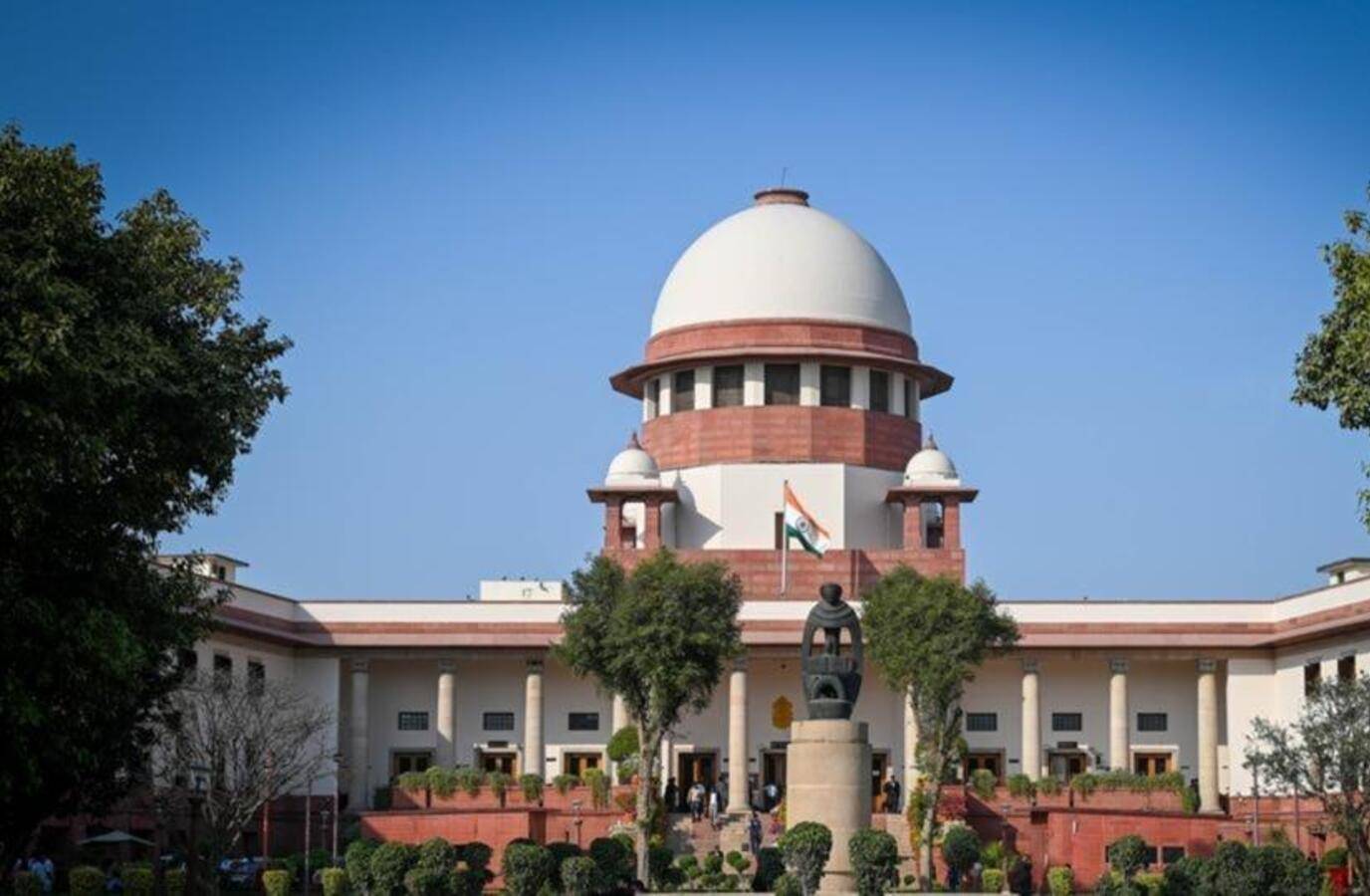
In a landmark ruling, the Supreme Court of India has emphasized the importance of judicial independence and autonomy in a democracy. The court reversed the dismissal of a Madhya Pradesh district judge, Nirbhay Singh Suliya, who was accused of exercising 'double standards' in granting bail in excise cases. The bench of justices JB Pardiwala and KV Viswanathan held that fear cannot take precedence over a judge's discretion, and that departmental proceedings cannot be initiated on mere suspicion or for passing a wrong order.
The court's ruling comes after Suliya was dismissed as an Additional District and Sessions Judge in 2014 for allegedly showing 'double standards' in passing bail orders. However, the Supreme Court found that the high court erred in not interfering with the dismissal order, and that the action against Suliya was initiated on a complaint filed by a local resident that was directed against a court official.
The court noted the danger of persons, including disgruntled members of the Bar, filing or engineering false and frivolous complaints against judges. The bench emphasized that a judicial officer's autonomy must be respected, and that departmental proceedings should only be initiated when there is sufficient evidence to doubt their integrity.
In a significant victory for Suliya, the court directed that he will be 'deemed to have continued in service' till his age of superannuation, and ordered payment of full back wages with all consequential benefits along with six percent interest within eight weeks. The ruling is expected to have a far-reaching impact on the functioning of the judiciary, and will serve as a safeguard against 'fear-based' disciplinary proceedings.
Justice Viswanathan, in his 34-page ruling, emphasized the importance of a 'fearless judge' as the bedrock of an independent judiciary. He underlined the need to protect judicial officers from unnecessary departmental action, and directed high courts to exercise 'due care and caution' in initiating proceedings against them. The court's ruling is a significant step towards ensuring that judges can discharge their duties without fear or favor, and will help to maintain the integrity and independence of the judiciary in India.