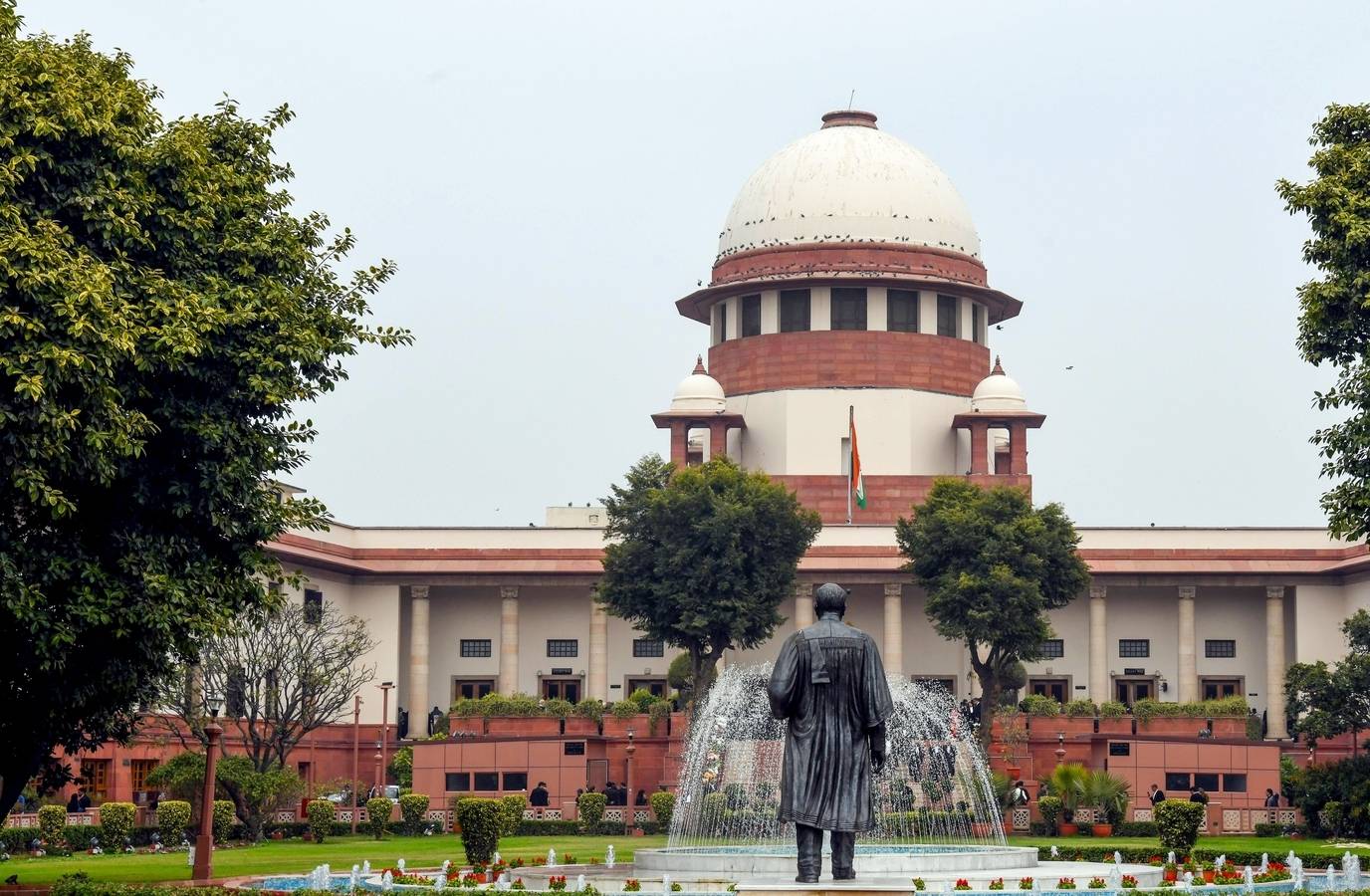
Supreme Court Upholds Service Discipline over Personal Considerations in Uniformed Forces
The Court held that acts in a staffer’s private life that risk domestic discord or divided responsibilities can undermine operational efficiency and mental stability | India News
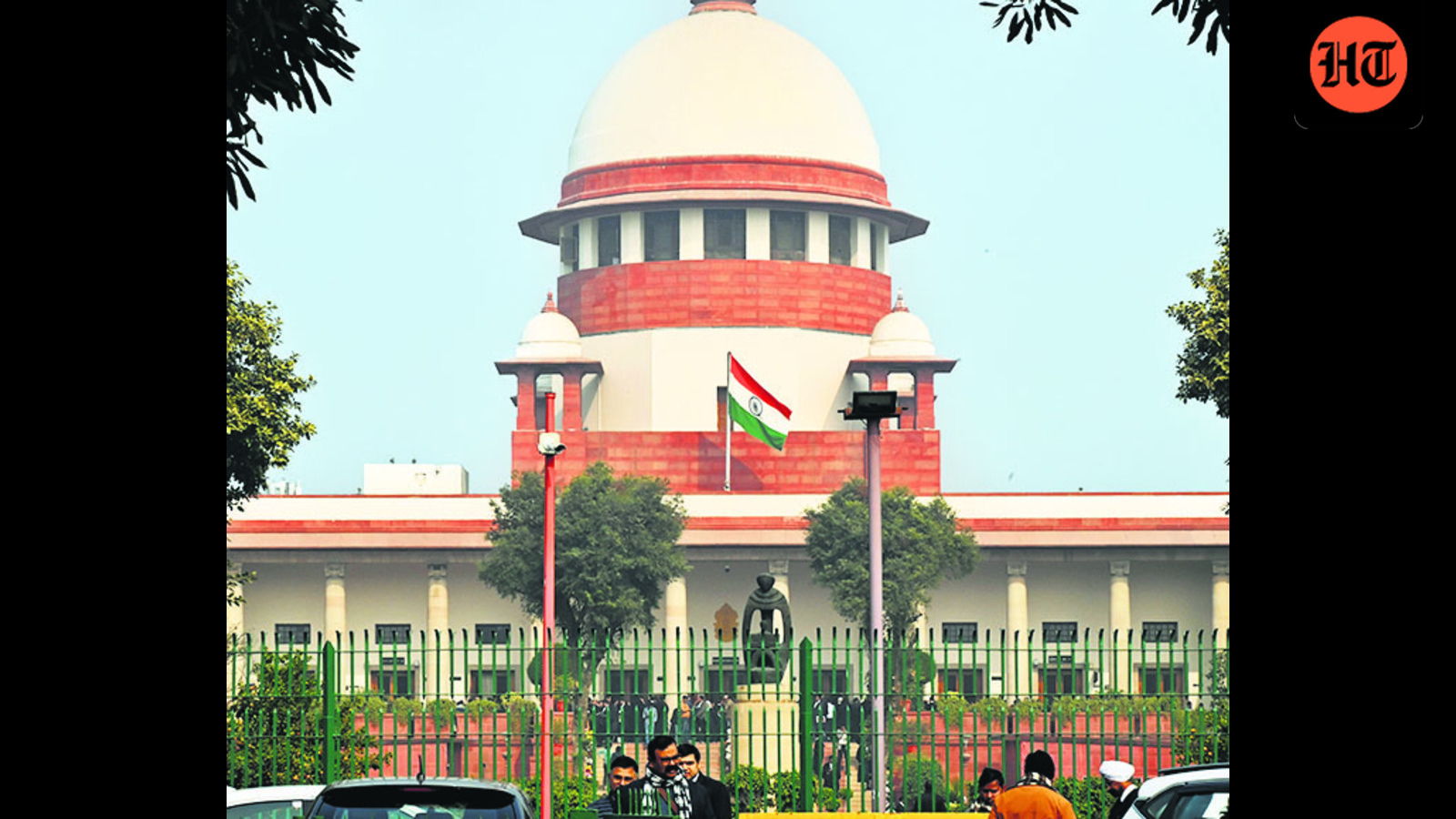
In a landmark ruling, the Supreme Court has emphasized the importance of service discipline in armed and paramilitary forces, stating that personal considerations should not take precedence over institutional requirements. The court held that courts should give primacy to service discipline while adjudicating challenges to punishments imposed on uniformed forces, except in cases where the punishment shocks the conscience or is procedurally flawed.The ruling came in response to an appeal by the Union government, which sought to restore the dismissal of a Central Industrial Security Force (CISF) constable who had contracted a second marriage while his first marriage was still subsisting. The CISF Rules, 2001, prohibit employees from contracting a second marriage during the subsistence of the first, unless exempted by the Central government. The constable was appointed in 2006 and married again in 2016, despite being aware of the rule. He was subsequently dismissed from service in 2017 for violating the rule, a decision upheld by the appellate and revisional authorities.However, the Karnataka High Court intervened, holding that the punishment was disproportionate and remanding the matter for a lesser penalty. The Supreme Court disagreed, stating that the high court had overstepped its limits in interfering with the disciplinary decision. The court emphasized that the CISF Rules are founded on institutional requirements unique to uniformed forces, aimed at maintaining discipline, public confidence, and integrity.The Supreme Court also clarified that penal provisions in service rules must be strictly construed and that inconvenience or harsh consequences flowing from their violation cannot dilute their application. The court relied on a long line of precedents, reiterating that courts cannot reappreciate evidence, reassess proportionality of punishment, or act as appellate authorities in disciplinary matters, except in cases of extreme disproportionality.In this case, the court found that the constable's dismissal was not shockingly disproportionate, given the clear breach of service rules. The ruling has significant implications for uniformed forces, underscoring the importance of adhering to institutional requirements and service discipline.