Supreme Court Urges Parliament to Fix Arbitration Bill's 'Termination' Loophole
Calling the absence of remedies “a lacuna that must be addressed,” the court stressed that the new Bill must explicitly provide the nature and effect of termination orders | India News
{
"title": "Supreme Court Urges Parliament to Fix Arbitration Bill's 'Termination' Loophole",
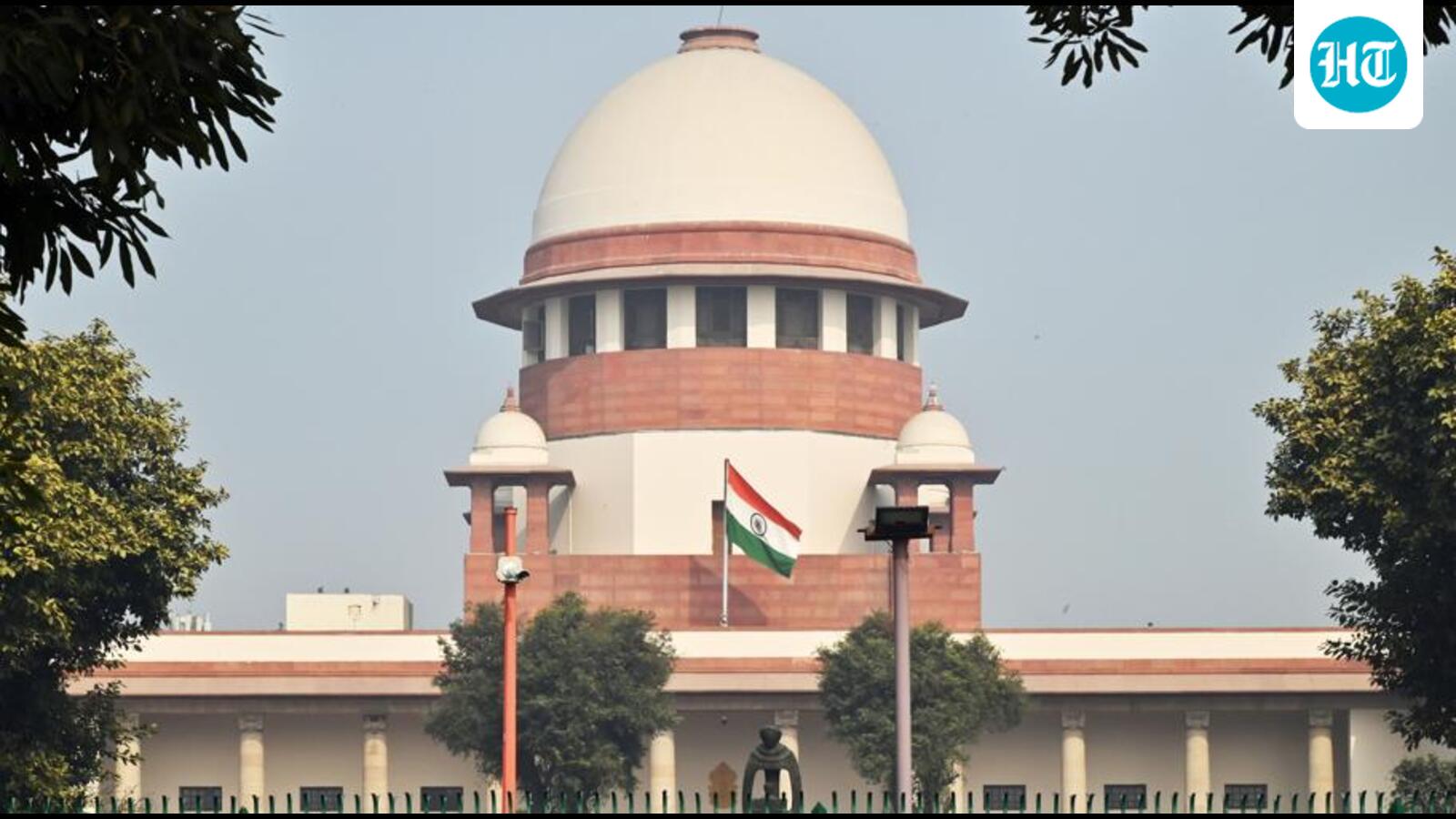
"article": "The Supreme Court has called on Parliament to address a long-standing issue in the proposed Arbitration and Conciliation Bill, 2024. The court expressed concern that the bill fails to provide a clear remedy for parties affected by arbitral tribunals' power to terminate proceedings. This ambiguity has persisted for nearly 40 years, dating back to the UNCITRAL Model Law adopted in 1985.
In a recent judgment, a bench of justices JB Pardiwala and R Mahadevan emphasized that the new bill must explicitly provide the nature and effect of termination orders, including whether the tribunal retains authority to entertain a recall application. The court urged the Department of Legal Affairs to take a serious look at India's arbitration regime and address this core defect.
The bench suggested consolidating all termination provisions into a single clause, mirroring the SIAC Rules, which bring together defaults, settlements, withdrawals, impossibility, and non-payment of deposits. The court also recommended defining the nature and effect of termination orders, providing a statutory appeal against termination orders, and clarity on future recourse after termination.
Advocate Abhishek Gupta, an expert in arbitration law, hailed the judgment, saying it provides much-needed clarity on the issue and an impetus to the legislature to consider an appropriate remedy. The court's observations came while deciding a petition seeking the appointment of an arbitrator afresh, prompting the bench to examine the broader legal framework governing termination of arbitral proceedings.
Until Parliament intervenes, the court recommended a purposive interpretation of Section 14(2) of the Act, which allows a court to decide if an arbitrator's mandate has legally terminated. The bench laid down a three-step remedial roadmap for parties affected by termination orders, cautioning against allowing mischievous parties to deliberately let proceedings lapse for tactical advantage.
The court emphasized that arbitration is not infinite and termination triggered by a party's own obdurate stance should generally prevent it from recommencing proceedings. The bench warned that allowing such abuse would have a chilling effect and exacerbate delays in an already overburdened system."