Tamil Nadu Governor's Constitutional Standoff: What's Behind the Power Struggle with Stalin's Government?
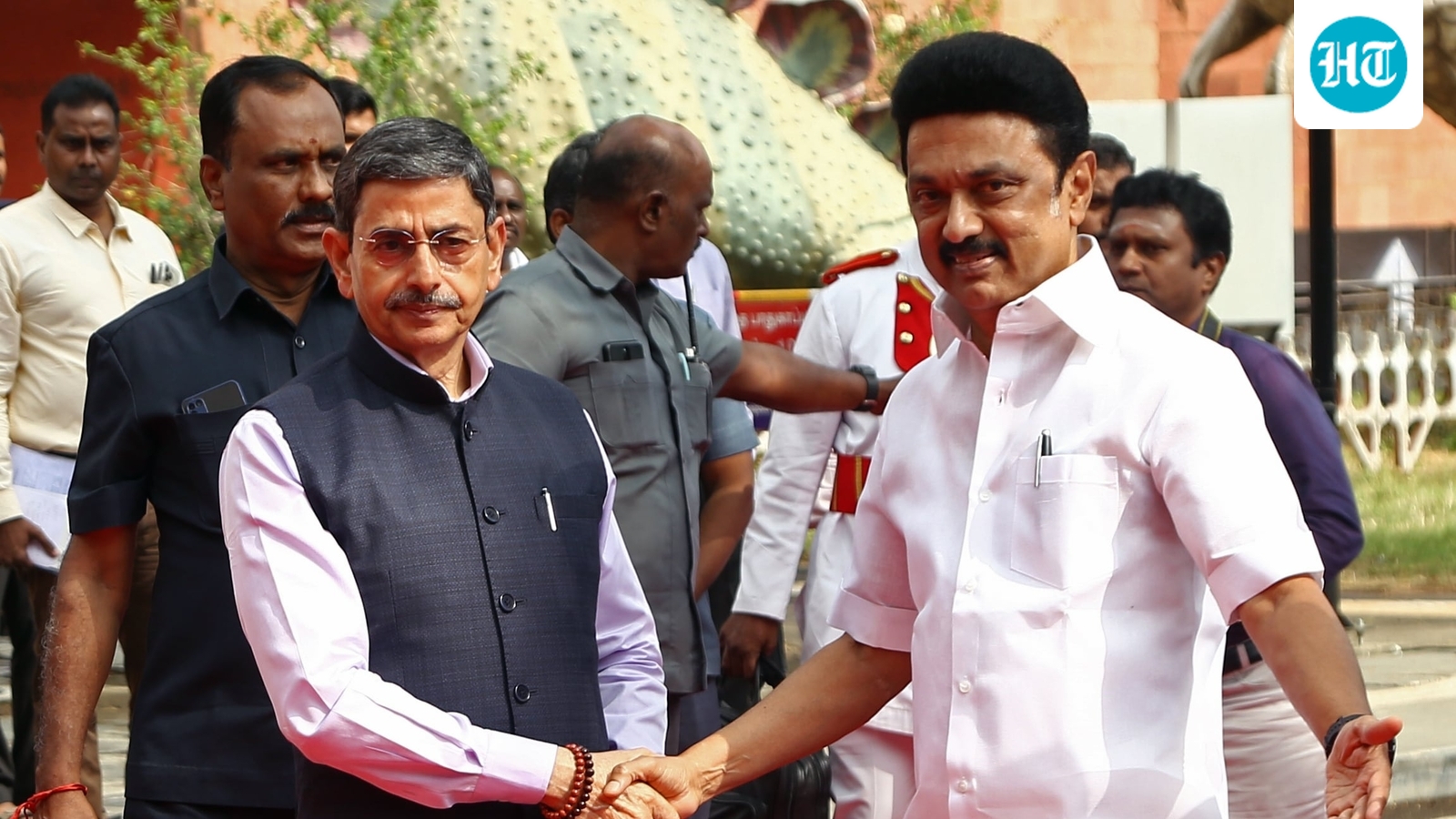
Image Source: Internet
Tamil Nadu Governor R N Ravi's latest walkout from the state Assembly has reignited a long-standing power struggle with the DMK-led government. The Governor has consistently clashed with the state government over the past few years, with the tension escalating into a full-blown constitutional standoff. The conflict began when Governor Ravi started objecting to parts of the state government's speech at the start of the Assembly year, citing incorrect claims and ignored serious issues. This was the third such instance, following his decision to skip the customary Assembly address in the previous two years. The DMK government accused the Governor of not signing important Bills passed by the Assembly, sending some to the President despite being passed again. Chief Minister MK Stalin claimed that the Governor was blocking the work of an elected government. However, the Raj Bhavan maintained that the Governor was simply following the Constitution and carefully reviewing the Bills. The Tamil Nadu government took the matter to the Supreme Court, which ruled that a Governor cannot delay Bills indefinitely and must give assent once a Bill is passed again by the Assembly. The court criticized Governor Ravi for violating Article 200 of the Constitution. The power struggle between the Governor and the state government has taken a turn for the worse, with both sides engaging in a war of words. Stalin accused the BJP-led Centre of using Governors to interfere in opposition-ruled states, while the Governor spoke publicly about social problems in Tamil Nadu. The latest Assembly walkout by Governor Ravi has sparked outrage, with the DMK calling it a "regrettable" move that insults the Assembly and the people of Tamil Nadu. The Assembly passed a resolution stating that only the Speaker-read speech would be recorded. At the heart of the issue lies a question: who really runs a state - the people's elected government or a Governor appointed by the Centre? With elections on the horizon in 2026, this power struggle could be seen as a precursor to a bigger battle between the Centre and an opposition-ruled state.