Unraveling the Turbulence: 10 Key Takeaways from IndiGo's Aviation Crisis
IndiGo’s turbulence made headlines — can you navigate the facts?  Test how much you actually know. | India News
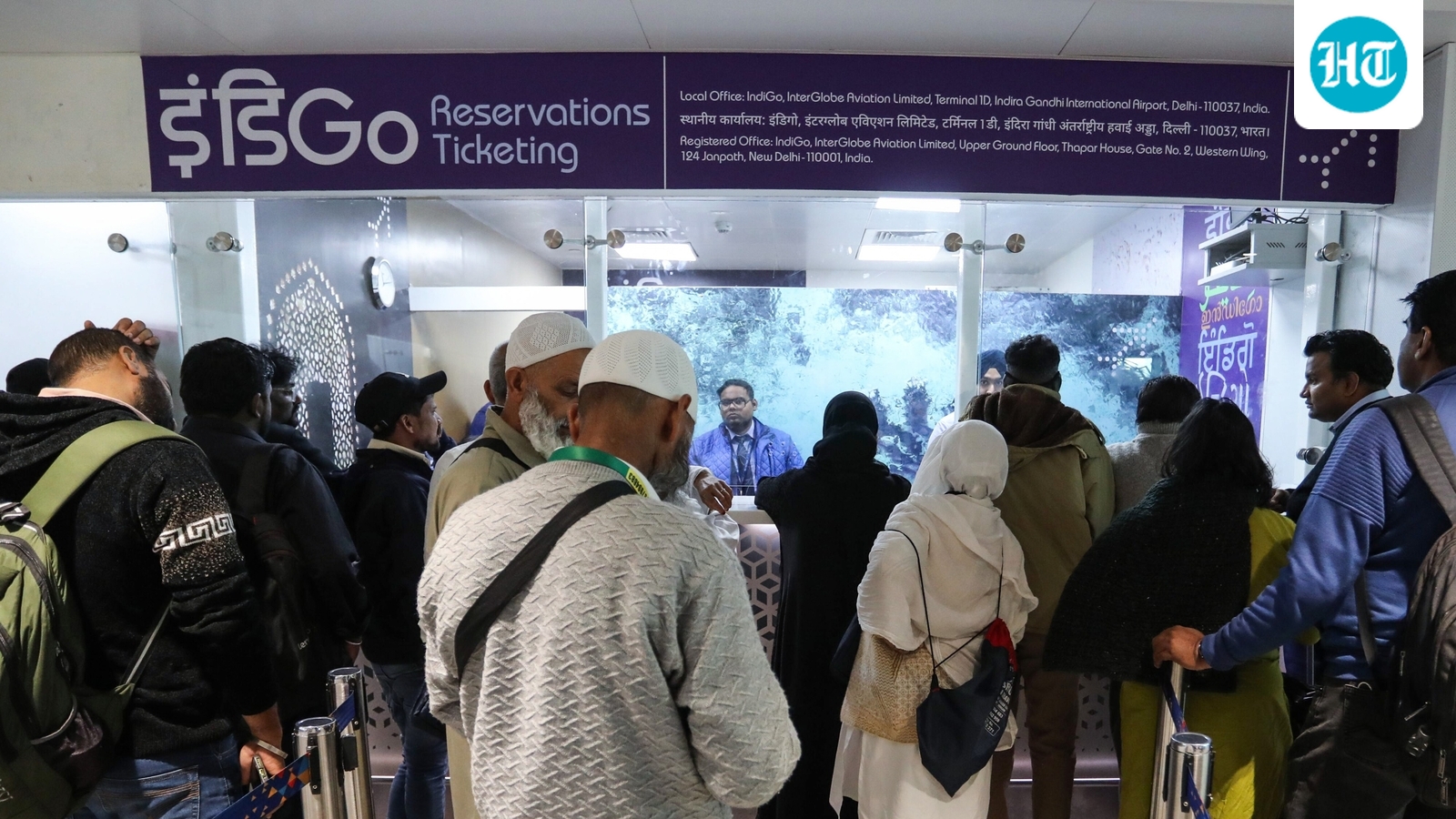
India's aviation system was put to the test last week when IndiGo's meltdown left passengers stranded and exposed the country's structural weaknesses. The crisis was not just a result of bad weather, but a perfect storm of brittle regulation, understaffed operations, uneven oversight, and razor-thin buffers.
The IndiGo fiasco is a prime example of a global pattern: modern aviation is a complex machine that collapses instantly when one cog fails. Similar pressure points, from legacy software to military-controlled airspace, have triggered spectacular failures worldwide.
Our quiz takes you through the critical factors that contributed to IndiGo's collapse and explores how similar issues have affected airlines globally. From high utilisation to outdated operational assumptions, understaffed air traffic control, and fragmented oversight, we examine the key takeaways from the crisis.
1. IndiGo's high utilisation strategy, which maximised aircraft hours, left no breathing room for delays, amplifying the meltdown. (Answer: High utilisation)
2. Southwest Airlines' point-to-point network, which created chaos when legacy systems couldn't reassign crews fast enough, set it up for failure in 2022. (Answer: Point-to-point)
3. India's ATC and regulatory staffing issues, reminiscent of the 1981 PATCO strike in the US, have crippled aviation for decades. (Answer: PATCO strike)
4. British Airways' IT outsourcing decision, which hollowed out internal resilience, led to its 2017 collapse. (Answer: IT outsourcing)
5. Dubai's super-connector hub model, which was prone to collapse due to its ultra-dense design, was exposed in 2024. (Answer: Super-connector)
6. Lufthansa's shutdowns are a result of Germany's strong unions, which enable large-scale airline strikes. (Answer: Strong unions)
7. China's restricted national airspace, controlled by the PLA Airforce, often causes delays for Air China and China Eastern. (Answer: PLA Airforce)
8. Qantas' ground layoffs, which left it without recovery muscle, led to its 2022 system crash. (Answer: Ground layoffs)
9. Air India's spares famine, which resulted from chronic supply shortages, grounded large portions of its fleet in the past. (Answer: Spares famine)
10. Singapore Airlines' Flight SQ321 was struck by clear-air turbulence, an invisible phenomenon that makes it one of aviation's most dangerous unknowns. (Answer: CAT winds)
The IndiGo crisis serves as a reminder that a well-designed system is crucial for aviation resilience. By understanding the complex factors that contributed to the meltdown, we can work towards building a stronger, more efficient aviation ecosystem in India and globally.