Unveiling the Forgotten Ties: Queen Victoria's Hidden Connection to India
Queen Victoria, who ruled the British Empire for 64 years, died 125 years ago, marking the end of the Victorian Era and influencing India’s royal lineage.| India News
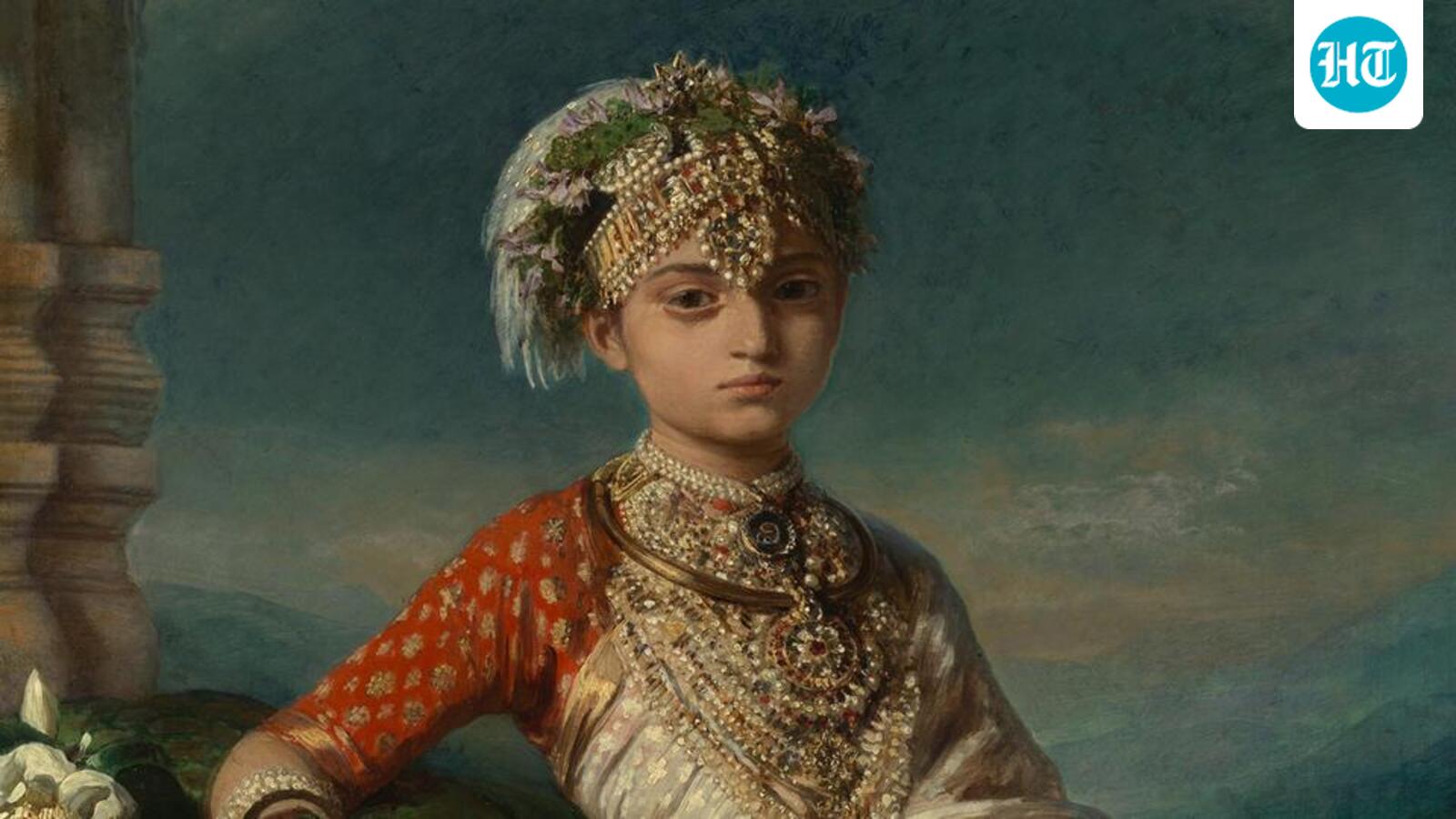
As the world marks the 125th anniversary of Queen Victoria's passing, a lesser-known chapter in her life has come to light. The monarch, who reigned over the British Empire for 64 years, had a profound impact on India, a country she never visited. Her legacy extends beyond the iconic statues erected in her honor, with a poignant story of a goddaughter who was adopted by the queen and later became a part of British aristocracy.
Gowramma, the daughter of the deposed king of Kodagu, Chikaveera Rajendra, was taken to England by her father in 1852, where she was formally adopted by Queen Victoria as her goddaughter. The queen affectionately referred to her as 'Victoria Gowramma of Coorg' and even attempted to arrange a marriage between Gowramma and Duleep Singh, the last Maharaja of the Sikh empire. Although the marriage proposal didn't work out, the two Indian royals developed a close friendship.
Tragically, Gowramma's life was cut short when she succumbed to tuberculosis in 1864, at the age of 22. She was buried in London's Brompton Cemetery. This forgotten tale of Queen Victoria's goddaughter highlights the complexities of colonial relationships, where the lines between benevolence and exploitation were often blurred.
The story of Gowramma is a poignant reminder of the human cost of colonialism, where Indian royalty were often reduced to mere pawns in the game of British politics. Yet, it also underscores the enduring legacy of Queen Victoria, who, despite her flaws, remains an important figure in history.
In Bangalore, a marble statue of Queen Victoria stands at the entrance of Cubbon Park, a testament to her enduring connection to India. While the statue may be a relic of the past, the story of Gowramma serves as a powerful reminder of the ongoing need for understanding and empathy in our complex and often fraught relationships with the past.