Winter Session Ends Amid Protests: Crucial Bills Passed Amid Ruckus in Rajya Sabha
The winter session ended with marathon debates and 8 bills passed, including the G Ram G Bill, amid opposition protests over various issues. | India News
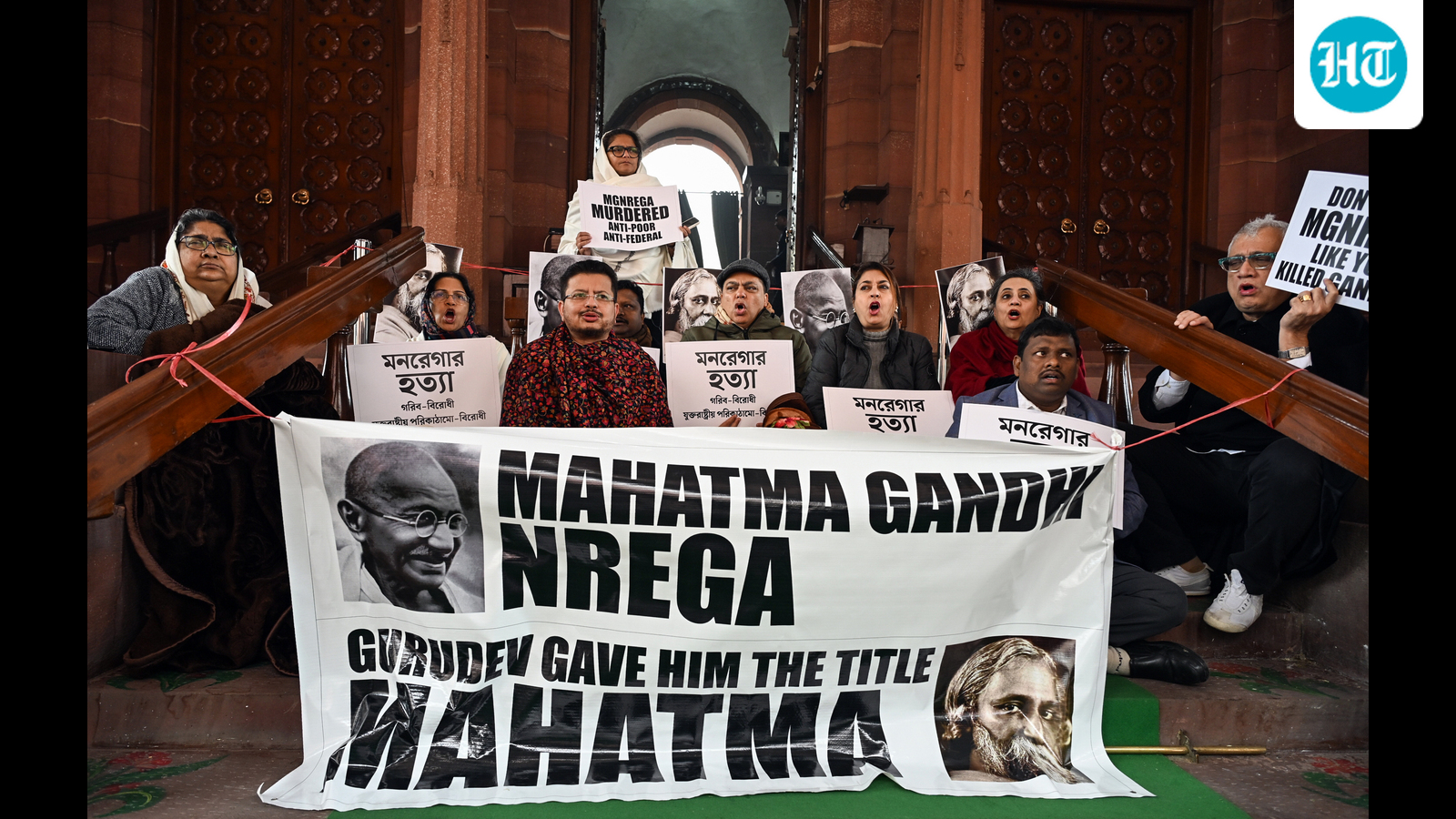
The winter session of India's Parliament concluded on Friday, following a night of intense protests by the opposition in the Rajya Sabha against the G Ram G bill. Despite the disruptions, both Houses of Parliament managed to pass eight key bills, including the landmark G Ram G bill, which replaces the flagship MGNREGA program.
The G Ram G bill aims to provide 125 days of wage employment per rural household, up from the existing 100 days, for adult members willing to undertake unskilled manual work. The bill is designed to bring more transparency and stem corruption.
However, the opposition has criticized the provisions of the bill, citing concerns about its impact on rural households.
The Parliament also passed the Sustainable Harnessing and Advancement of Nuclear Energy for Transforming India Bill, 2025, which allows private enterprises in the sector and dilutes suppliers' liability. The Viksit Bharat Shiksha Adhishthan Bill, 2025, which sets up a single regulator for higher education, has been referred to a joint committee of Parliament.
The Lok Sabha Speaker, Om Birla, praised the productivity of the session, stating that the House functioned for a total of 92 hours, with a productivity of 111%. The Rajya Sabha Chairman, CP Radhakrishnan, also commended the session, saying that the House functioned for a total of 92 hours, with a productivity of 121%.
The opposition, however, was criticized for disrupting the House, with the parliamentary affairs minister, Kiren Rijiju, accusing the Congress of not allowing a debate on pollution. Jairam Ramesh, a Congress leader, rejected the allegations, saying that the government was disinterested in debating the issue.
The session also saw marathon debates on 150 years of Vande Mataram and electoral reforms, with 65 participants in the Lok Sabha and 82 in the Rajya Sabha. The Prime Minister, Narendra Modi, initiated a debate on the national song, while the discussion on electoral reforms saw 63 Lok Sabha MPs and 57 Rajya Sabha lawmakers participate.
The opposition's disruption of the House was condemned by the Rajya Sabha Chairman, who urged lawmakers to introspect and not repeat such unruly behavior in the future.