Yamuna Froth Returns Amid Record Defoamer Use, Highlighting River's Ecological Decline
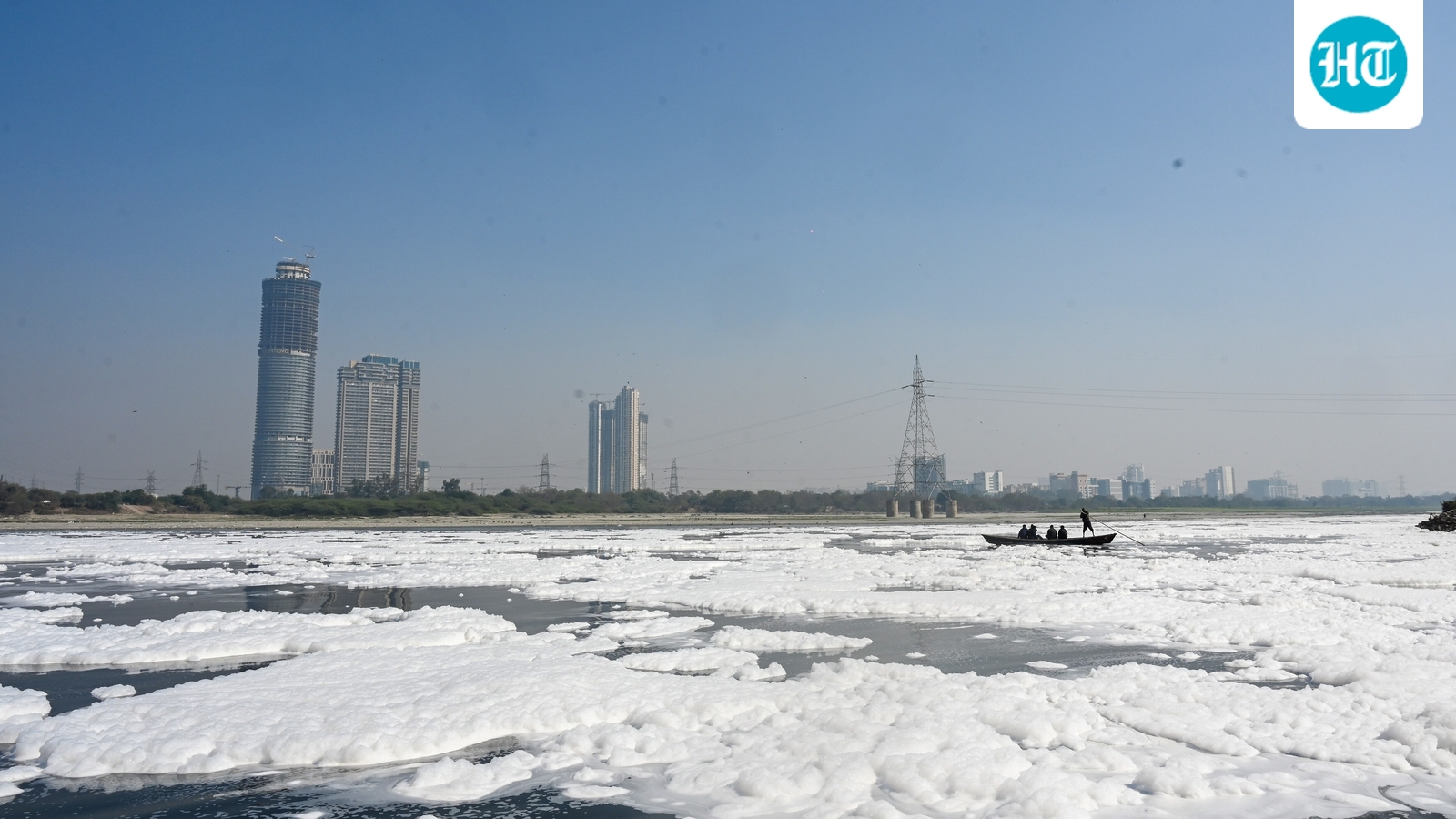
Image Source: Internet
A thick, white froth has once again covered parts of the Yamuna near Kalindi Kunj, a phenomenon that has intensified during winters despite the Delhi Jal Board using a record quantity of defoaming chemicals. Environmentalists say the froth is a symptom of deeper pollution issues, not a solution. Activists point out that the river's ecological condition has worsened, and the continued use of defoaming chemicals may have long-term ecological impacts. According to experts, the froth is caused by soap-like surfactant molecules present in polluted water, which become more stable in cold temperatures. Sources of these surfactants include untreated domestic sewage, industrial pollutants, and organic material from decomposing water hyacinth. A study by The Energy and Resources Institute (TERI) last year highlighted the poor functioning of sewage treatment plants and common effluent treatment plants in handling toxic sewage and surfactants. The study identified hotspots where untreated wastewater flows directly into the Yamuna. Despite repeated warnings and studies, the river's condition remains unchanged. The Delhi Jal Board used a record 48,000 kgs of defoaming chemicals over 63 days, but the froth has returned. Activists are calling for a more comprehensive solution to address the river's ecological decline. The issue has also become a point of contention in the Delhi government, with the Aam Aadmi Party (AAP) accusing the ruling party of lying about the river's cleanliness. The BJP has denied these allegations, claiming that the video showing the froth was AI-generated. The continued struggle to clean the Yamuna highlights the need for a more effective and sustainable approach to addressing pollution and ecological decline in the river.