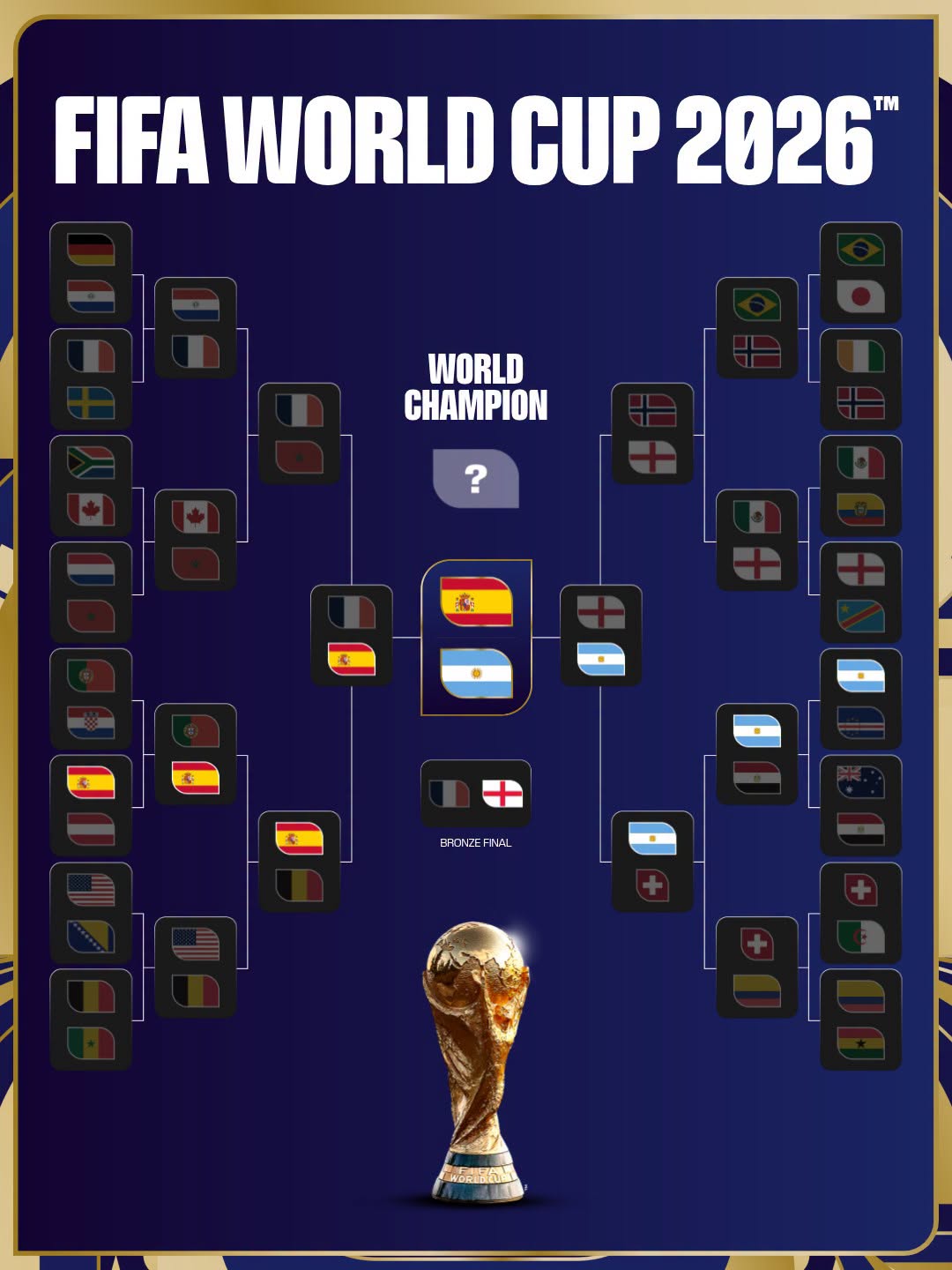
The 2026 FIFA World Cup will be a different animal, with 48 teams, 104 matches, and a Round of 32. The champion will need to survive five knockout rounds instead of four, making brilliance for a month no longer enough.
The expansion forces a new question onto an old debate: which champion built the most complete campaign? Answering that takes more than nostalgia, it takes numbers, context, and a working football memory.
This ranking is based on five markers: dominance, attacking output, goals conceded, knockout authority, and strength of opposition. Legacy is not ignored, but it does not run the table on its own.
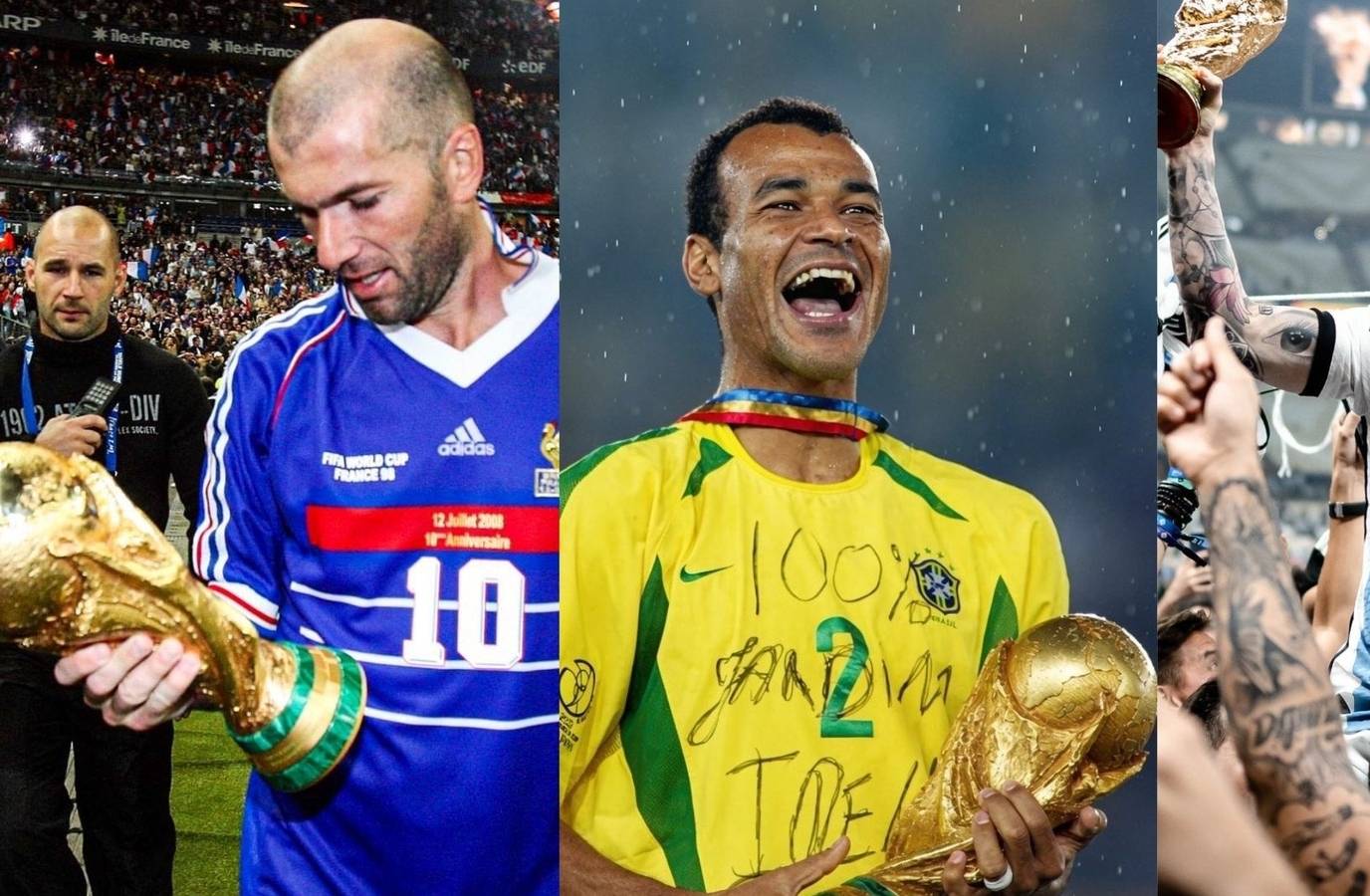
The teams that changed the imagination include Brazil 1970, Brazil 1958, Argentina 1986, France 1998, Italy 2006, Spain 2010, Germany 2014, France 2018, and Argentina 2022.
The champions built on control, with France 1998 producing one of the most balanced profiles of any World Cup winner, and Italy 2006 taking defensive resistance to an almost absurd extreme.
The modern-era machines include Germany 2014, France 2018, and Argentina 2022, who were engineered for tournament football rather than aesthetic worship.
The difficult cases include Italy 1982, West Germany 1974, Brazil 1994, and Brazil 2002, who showed different species of supremacy.
The final ranking rewards different species of supremacy, with Brazil 1970 bringing attacking imagination and historical gravity, and Brazil 2002 winning all seven matches, scoring 18 goals, and conceding four.
A bigger World Cup may produce more early mismatches, but it will demand more durability from whoever wins it. One extra knockout round means one extra night of risk, and squad depth will matter more.