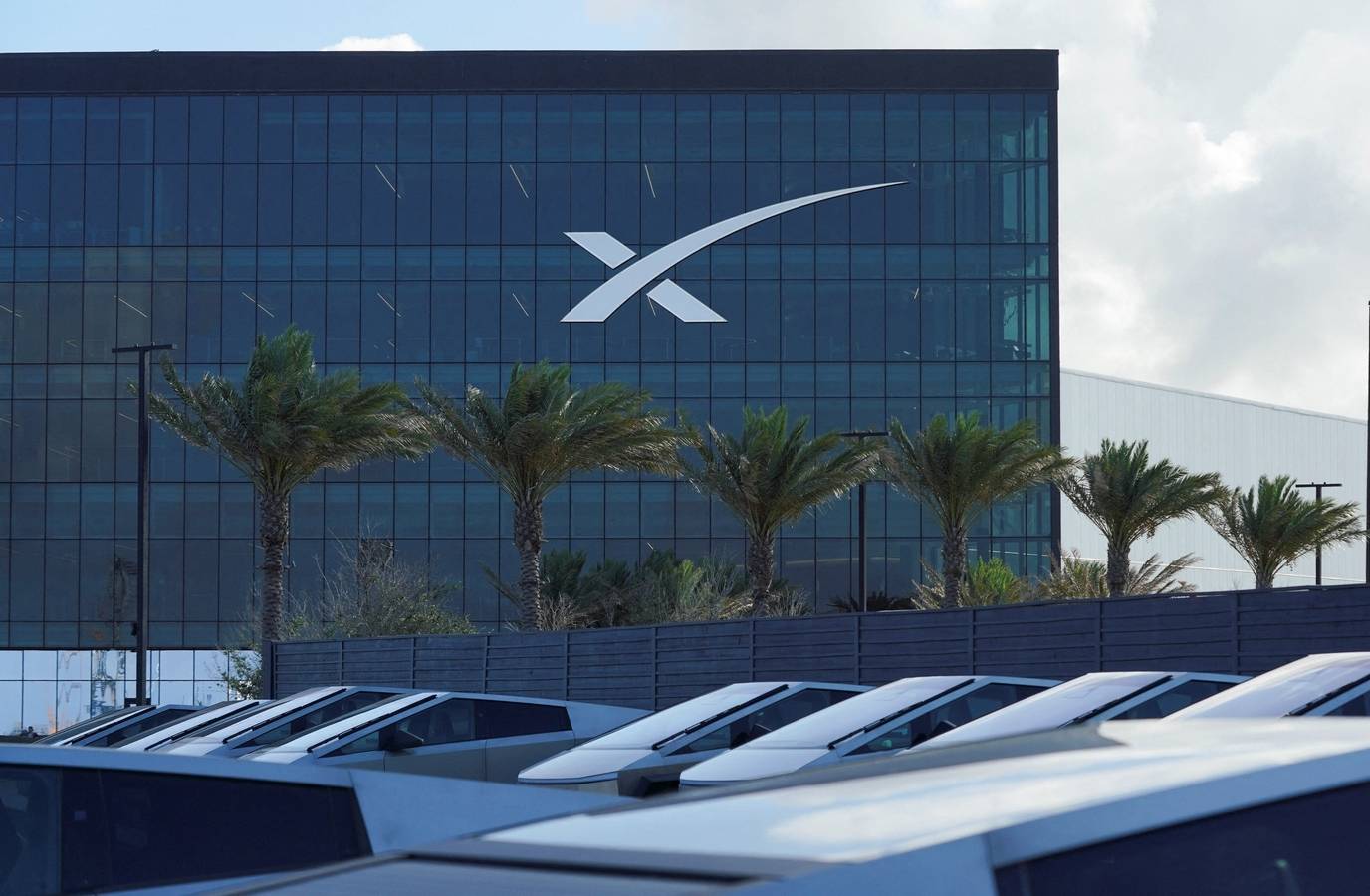
SpaceX priced the largest initial public offering in history on Thursday, selling 555.6 million shares at $135 each to raise $75 billion and valuing Elon Musk's rocket, satellite and artificial intelligence company at $1.77 trillion.
The stock begins trading on the Nasdaq on Friday under the ticker symbol SPCX.
The IPO sits far from anything that has come before, with a gap alone bigger than the old record held by Saudi Aramco, the state oil giant, which raised $29.4 billion in 2019.
SpaceX raised more than two and a half times that, with the deal potentially growing to about $86 billion if fully exercised.
Demand ran well ahead of supply, with the offering more than four times oversubscribed, and Musk's retail following placed more than $100 billion in orders.
Among the world's 10 most valuable companies, SpaceX's valuation ranks it ahead of Tesla, Meta Platforms and Walmart.
The IPO price now adds another leap in under a year, with Musk's net worth potentially crossing the trillion-dollar mark.
However, the company's valuation rests on technology that does not yet exist or has not been tested at scale, drawing open scepticism.
Analysts give the same answer: Musk, with investors placing faith in his vision as much as on the numbers.
Friday's open will show whether public markets believe it, and Silicon Valley will watch as closely as Wall Street, because OpenAI and Anthropic are next in line.