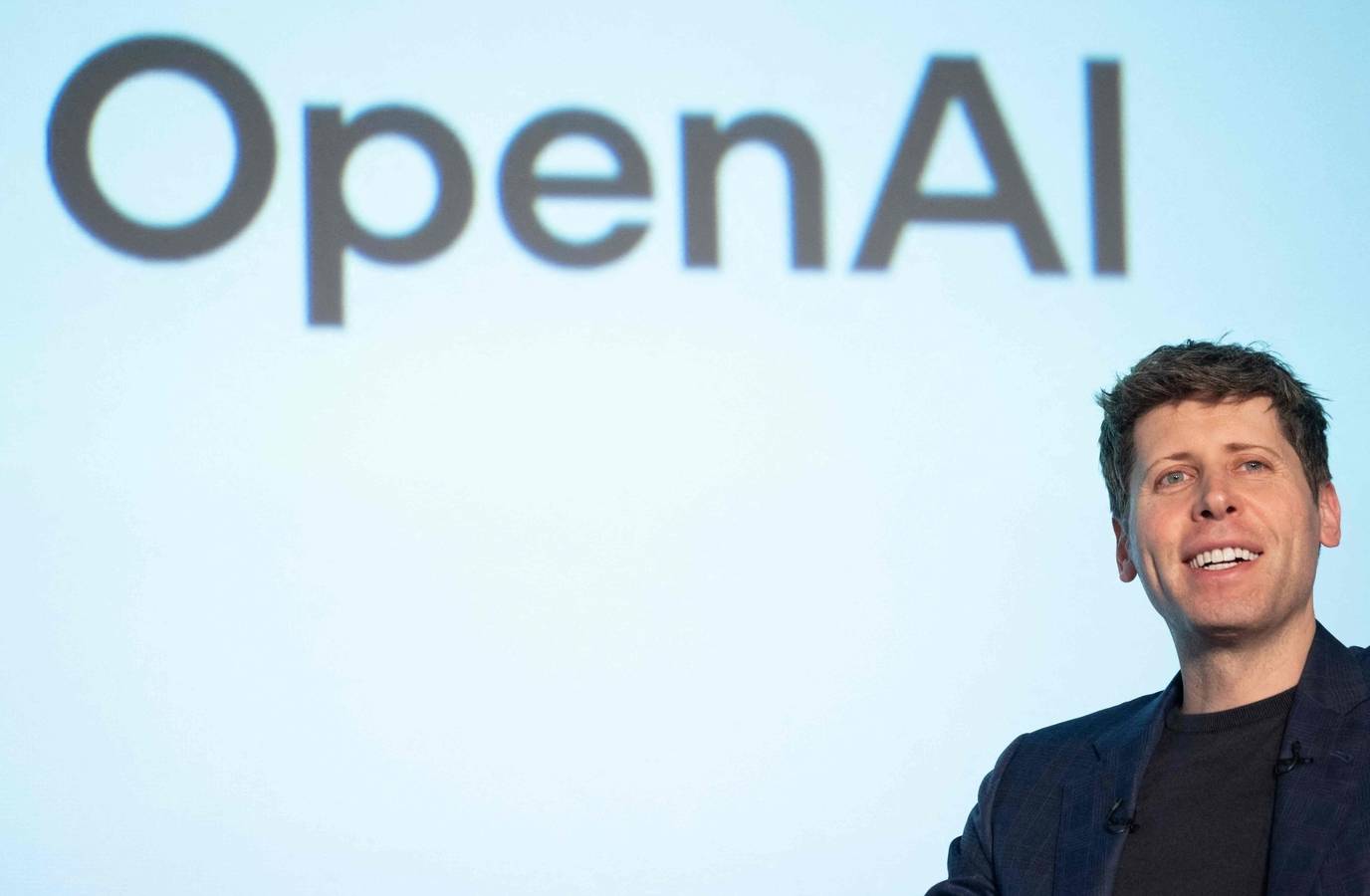
OpenAI, the company behind ChatGPT, has confirmed it has filed preliminary paperwork for a US initial public offering with the Securities and Exchange Commission. The company, valued at $852 billion, plans to spend roughly $600 billion on AI infrastructure by 2030 and has been raising capital at an unprecedented level.
The rush to file for an IPO is not unique to OpenAI, with rival Anthropic filing confidentially on June 1 and Elon Musk's SpaceX beginning trading this week. Together, the three companies are targeting a combined market capitalization approaching $4 trillion.
The question worth asking is not whether these companies will eventually go public, but why all three are moving at once with such urgency. The answers reveal as much about risk as they do about ambition.
With investor appetite for AI stocks close to insatiable, the companies racing to file are doing so while the wind is at their backs. However, warning signs are multiplying that the conditions enabling their sky-high valuations may be shifting.
A resilient labour market keeps inflation elevated, reducing the likelihood of Federal Reserve rate cuts and raising the prospect of hikes. Higher rates raise the cost of capital everywhere, but they are particularly punishing for companies whose valuations rest on earnings projected far into the future.
The AI boom has driven benchmark indices to record highs, but the question remains: will the returns justify the scale of spending on AI capital expenditure? The IPOs will serve as the first real stress test of how public markets price this generation of companies.